
Introduction
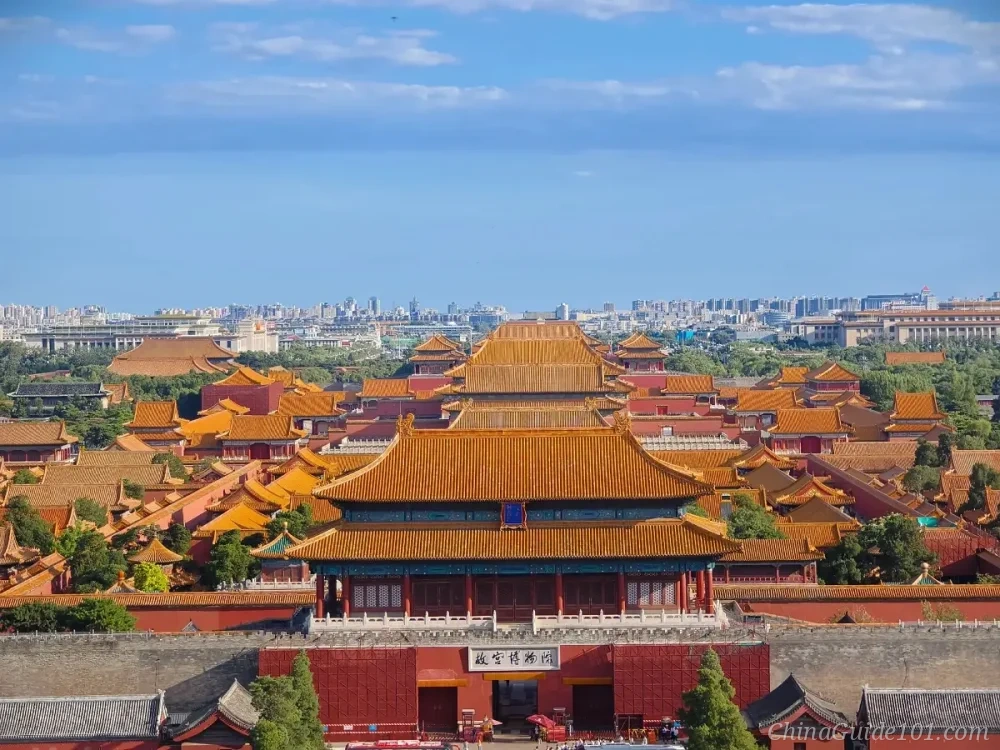
The Forbidden City, officially named the Palace Museum, stands unrivalled as Beijing's most defining historic landmark and one of the world's largest intact imperial palace complexes, currently drawing over 16 million domestic and international travelers annually. Nestled along Beijing's iconic central north-south cultural axis, this sprawling walled compound encapsulates over 500 years of China's imperial power, royal daily life and unmatched classical Chinese architectural mastery, cementing its spot at the very top of every first-time Beijing visitor's itinerary.
PRO TIP: WHAT TO EXPECT
This guide is built to resolve the most common pre-trip questions lingering for overseas tourists, starting with core fundamentals: what exactly the Forbidden City is, how it earned its globally recognised name, why it remains irreplaceable among global heritage sites, and the realistic amount of time needed to explore its highlights without rushing your experience. We tailor every travel detail to match 2026's latest official booking rules, opening schedules and on-site management updates, eliminating outdated or misleading travel advice for inbound visitors.
This comprehensive handbook serves four core traveller groups:
- First-time overseas visitors : Simplified route planning, transport guidance and ticketing breakdown to avoid rookie travel mistakes,
- Family travellers with children : Kid-friendly stops, stroller accessibility tips and fatigue-saving walking arrangements,
- History enthusiasts : In-depth imperial background, off-the-beaten-path hidden collections and lesser-known palace anecdotes,
- Independent backpackers : Budget-friendly hacks, crowd-evasion timetables and flexible half-day/full-day self-guided itineraries.
Whether you allocate half a day or an entire day roaming its red-walled courtyards and golden-tiled halls, this 2026-updated guide covers every practical detail from pre-arrival ticket reservations to post-visit nearby sightseeing combinations.
What Is the Forbidden City?
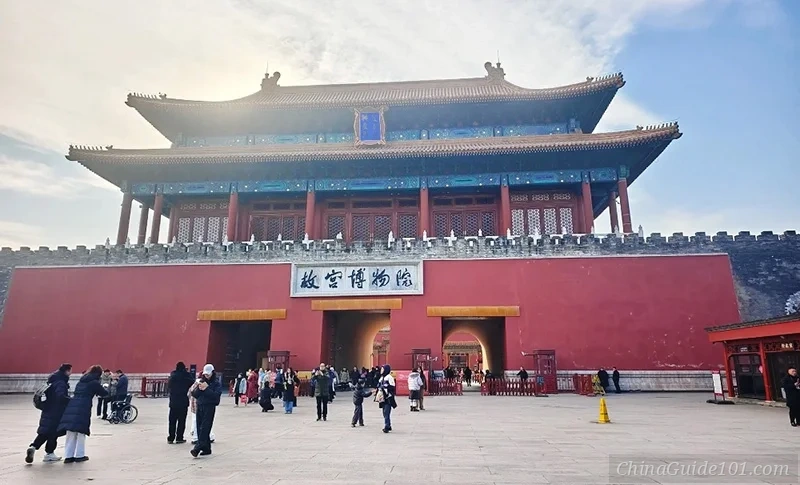
The Former Imperial Palace of China
Construction on the Forbidden City broke ground in 1406 under the Yongle Emperor of the Ming Dynasty, wrapping after 14 years of intensive labour in 1420, ready to host the imperial court's formal relocation from Nanjing to Beijing. For nearly 492 years spanning the late Ming and entire Qing Dynasties, from 1420 until the fall of China's last feudal empire in 1912, the walled complex functioned as the nation's supreme political core and exclusive royal residential compound, housing 24 successive Chinese emperors alongside their empresses, concubines, imperial kin and tens of thousands of palace servants, eunuchs and court officials.
Every architectural layout, hall positioning and decorative detail was engineered following ancient Chinese feng shui principles and strict imperial hierarchical rules, splitting the entire compound into two distinct functional zones: the Outer Court for state ceremonies and imperial official affairs, and the Inner Court reserved exclusively for the emperor's private daily living and royal family's domestic life. After the last Qing emperor Puyi departed the premises in 1924, the site was officially converted into the Palace Museum in 1925, opening its gates to public visitors for the first time in centuries and safeguarding over 1.8 million precious imperial relics spanning painting, jade, gold craftsmanship, porcelain and royal timepieces inside its exhibition halls.
Why Is It Called the Forbidden City?
The English moniker "Forbidden City" directly originates from its strict ancient access regulations during imperial rule. Back in Ming and Qing eras, the entire walled palace was a heavily restricted, off-limits territory for ordinary commoners, merchants and even most high-ranking court ministers without formal imperial authorisation, unapproved entry carried severe legal punishment, often imprisonment or capital penalty.
PRO TIP: THE NAME ORIGIN
Its original Chinese formal name is Zijin Cheng (紫禁城), where "Zi" refers to the Purple North Star in traditional Chinese astronomy, believed to be the celestial residence of supreme cosmic deities, symbolising the emperor's divine mandate as heaven's earthly representative, "Jin" translates to forbidden or restricted, referencing the rigid entry bans, "Cheng" means walled city. Combined, the ancient name poetically frames the palace as the mortal counterpart of the heavenly purple star palace, reserved solely for China's divine-ordained emperors, hence the widely accepted global nickname Forbidden City.
UNESCO World Heritage Site
In 1987, UNESCO inscribed the Forbidden City onto its World Heritage List , officially recognising it as an unparalleled masterpiece of ancient Chinese imperial architecture and irreplaceable global cultural treasure. UNESCO's evaluation highlighted its flawless preservation of traditional Chinese imperial construction norms, unbroken documentation of nearly five centuries of Chinese dynastic governance and royal civilisation, and extraordinary artistic value embodied in its wood carvings, glazed roof tiles, painted beam decorations and curated imperial artifact collections.
PRO TIP: CONSERVATION UPDATE
As of 2026, ongoing moderate conservation and restoration projects run year-round within limited separate zones of the complex to protect fragile ancient wooden structures, with construction areas clearly cordoned and marked on-site, causing minimal disruption to regular visitor routes and sightseeing plans.
Forbidden City Quick Facts
| Item | Detailed Information |
|---|---|
| Chinese Official Name | Gugong Bowuyuan (Palace Museum / 故宫博物院) |
| Exact Location | 📍 Destination Address 请带我去:北京市东城区景山前街4号故宫博物院 Take me to: 4 Jingshan Front Street, Dongcheng District, Central Beijing, directly north of Tiananmen Square |
| Construction Period | 1406–1420 (Ming Dynasty Yongle Reign) |
| Total Land Area | 720,000 square metres (72 hectares) |
| Total Building Count | Roughly 9378 surviving rooms across over 980 separate palace buildings |
| UNESCO Certification | World Heritage Site since 1987 |
| Recommended Visit Duration | Minimum 3–4 hours for core central axis, 5–7 hours to cover main galleries plus side palaces, full day for thorough in-depth exploration |
Where Is the Forbidden City?
Location in Central Beijing
The Forbidden City anchors Beijing's historic central city axis, sitting directly north across Chang'an Avenue from Tiananmen Square, sandwiched between three iconic scenic spots that form a classic combined Beijing sightseeing cluster for travellers:
Tiananmen Square
Positioned straight south across the wide Chang'an thoroughfare, Tiananmen Square is China's largest urban public square, the mandatory pre-entry checkpoint for most travellers approaching the Forbidden City's sole southern Meridian Gate entrance, with a mandatory security screening checkpoint before crossing into the palace approach walkway.
Jingshan Park
Immediately north of the Forbidden City's only exit gate (Divine Might Gate/Shenwumen), Jingshan Park's central five peaks deliver unbeatable full overhead panoramic views of the entire golden-roofed Forbidden City compound, universally regarded as the best photo vantage point for complete palace skyline shots by global photographers. Most visitors wrap up their Forbidden City tour with a short 10-minute uphill walk into Jingshan after exiting the north gate.
Beihai Park
Situated northwest of the Forbidden City's outer moat, a leisurely 15-minute stroll from the north exit gate, Beihai is Beijing's oldest existing imperial garden featuring a prominent white Tibetan-style pagoda atop an island lake, a tranquil low-key add-on for travellers wanting to escape crowded palace grounds after busy sightseeing.
How to Get There
By Subway (Most Recommended for Foreign Travellers in 2026)
Two optimal subway routes minimise lengthy Tiananmen Square security queues per 2026 local travel updates:
- Line 1 : Alight at Tiananmen East or Tiananmen West Station, exit and walk north through Tiananmen Square security inspection toward Meridian Gate (Wumen), the only official palace entry gate. Note weekend and national holiday security checks here often take 20–40 extra minutes due to massive foot traffic.
- Line 8 : Exit C at Jinyu Hutong Station, walk east then north alongside the Forbidden City's outer moat for roughly 10 minutes to reach Meridian Gate bypassing the busiest Tiananmen Square security checkpoint, consistently the fastest inbound route recommended by local tourism officials in 2026.
PRO TIP: SUBWAY RUSH HOUR
Avoid rush hour (7:30–9:00 & 17:30–19:00 local time) on Beijing subway lines to skip packed train carriages.
By Taxi
Show your driver the Chinese address: 东城区景山前街4号(故宫午门), ask to drop off near East Glorious Gate (Donghuamen) instead of directly at Tiananmen Square roadside to cut long pedestrian security lines, then take a short 8–10 minute riverside walk south to Meridian Gate. Most Beijing taxis accept cash, Alipay or WeChat Pay, carry small RMB banknotes for backup payment if lacking Chinese mobile payment accounts. No dedicated on-site parking lots exist around the Forbidden City perimeter, private vehicle drop-off is strictly regulated with limited roadside stops.
By Private Tour
Licensed local private guided tours include pre-planned transport, pre-booked museum tickets and multilingual commentary, reputable operators pick up travellers directly from central Beijing hotels, eliminating independent ticketing and transport headaches, ideal for elderly visitors or groups unfamiliar with Beijing's public transit rules.
Walking from Nearby Attractions
- From Tiananmen Square: 5–8 minutes north walking distance to Meridian Gate after security clearance.
- From Jingshan Park South Gate: 10 minutes south walking distance to Divine Might Gate (Forbidden City exit only, cannot enter palace here).
- From Beihai Park Southeast Gate: 15–20 minutes east-southeast stroll alongside the ancient palace moat.
How to Buy Forbidden City Tickets
Do You Need to Book in Advance?
All tickets require full pre-booking online exclusively, no same-day walk-up tickets are sold at any palace gates per permanent 2026 official museum regulations, zero exceptions for overseas tourists . Every single admission slot is fully digital real-name reservation only, a policy permanently enforced since 2019 and unchanged through 2026's latest policy updates.
- Book 7 Days Ahead : All tickets go live sharp at 20:00 Beijing local time (UTC+8), exactly seven calendar days prior to your planned sightseeing date via official channels only. For example, a planned visit on June 12 opens for reservation at 8 PM Beijing time on June 5.
- Don't Risk Peak Season Walk-ups : Peak Season (April–October) & National Holidays: Daily visitor cap fixed at roughly 40,000 guests, weekend dates, China's Golden Week holidays (May 1–5, October 1–7 annually) and summer school break (July–August) regularly sell out within minutes or hours once bookings open, travellers must secure reservations the exact release night to avoid sold-out dates.
- Don't Skip Pre-booking in Off-Peak : Off-Peak Season (November–March excluding statutory holidays): Lower daily visitor limits, tickets usually remain available 2–3 days before intended visit date but advance pre-booking is still mandatory with no on-site purchase option.
Ticket Types
Standard Base Admission
- Peak Season (Apr 1 – Oct 31):CNY 60 per adult visitor (approx USD 8.2 as of 2026 mid-year exchange rate)
- Off-Peak Season (Nov 1 – Mar 31):CNY 40 per adult visitor (approx USD 5.5)
- Discount Policies (valid with original physical ID document at entry): Children under 6 years old or below 1.2 metres height free entry, travellers aged 60+ with valid passport enjoy half-price base ticket, certified disabled visitors and active-duty military personnel get complimentary standard admission with official documentation per 2026 preferential rules.
Treasure Gallery Extra Ticket
Separate supplementary entry pass priced CNY 10 per person, granting access to the eastern Palace of Tranquil Longevity complex housing imperial goldware, jade relics, precious gem ornaments and the famous Nine-Dragon Screen landmark, strongly recommended for artifact-focused history lovers.
Clock and Watch Gallery Extra Ticket
Additional standalone ticket costing CNY 10 per guest, located in eastern Fengxian Hall, showcasing hundreds of intricate handcrafted mechanical clocks and ornate European-imported royal timepieces collected by Qing emperors Qianlong and Kangxi, many vintage models still fully functional with moving automaton figurines.
Ticket Booking Tips for Foreign Visitors
Passport Requirements
Every overseas tourist must input full valid passport number accurately during online pre-booking, physical original passport matching reserved ID information is strictly required for on-site QR code scanning and entry verification at Meridian Gate, digital passport photos or photocopies are not accepted for admission check-in per 2026 security standards. One single passport ID can only reserve one ticket per sightseeing day, duplicate bookings under identical ID are automatically invalidated by the official system.
Online Booking Considerations
Three verified reservation channels available for international travellers in 2026:
- Official English website:en.dpm.org.cn (Palace Museum's dedicated English booking portal supporting international credit card payments for eligible overseas guests without Chinese WeChat/Alipay accounts)
- Official WeChat Mini Program "故宫博物院": Requires a WeChat account bound with overseas mobile number, payment mainly supports WeChat Pay linked to Chinese bank cards or selected international Visa/Mastercard, pre-save full passport details on your mobile device before booking release time to speed up checkout and avoid missing sold-out slots at 8 PM sharp.
- Trip.com: A multilingual third-party authorised platform that accepts foreign passports and international Visa/Mastercard. It works well as a backup when official tickets sell out, with an English interface familiar to many overseas visitors. Keep in mind that separate service fees, cancellation policies and booking terms apply, and these may differ from buying directly through official channels.Check Forbidden City tickets on Trip.com .
PRO TIP: SCAM WARNING
The Palace Museum has not authorised any third-party travel agents or street vendors to sell pre-booked official tickets as of 2026, avoid overpriced scalper resold tickets prone to fake invalid QR codes that bar palace entry.
Arrival Procedures
After successful online reservation, travellers receive a digital QR code ticket linked to their passport, present original passport alongside the QR code at Meridian Gate's designated foreign visitor entry channel for quick scanning and admission. If your target date is fully sold out, repeatedly refresh official booking channels between 20:30–21:00 Beijing time on booking night for cancelled unpaid reserved slots that get automatically released back into available inventory.
Forbidden City Opening Hours
Seasonal Opening Hours
08:30 AM - Museum gates open local time.
16:00 (4 PM) - Final permitted visitor entry.
16:10 - Supplementary Treasure Gallery & Clock Gallery stop new admissions.
17:00 (5 PM) - Full site closes to all guests.
08:30 AM - Opening remains unchanged.
15:30 (3:30 PM) - Last entry permitted.
16:30 (4:30 PM) - Entire complex closes local time.
Closed Days and Special Closures
- Regular Weekly Closure : Every Monday the Forbidden City is fully shut for routine facility maintenance and relic preservation cleaning work, with one major exception: Mondays falling on China's statutory national public holidays shift to full opening per official holiday adjustment announcements released quarterly on the museum's English website. The only fixed annual exception closing day nationwide is Chinese Lunar New Year's Eve every year regardless of weekday scheduling.
PRO TIP: CHECK FOR CLOSURES
Unscheduled Temporary Closures : Individual isolated palace halls occasionally shut short-term for emergency restoration or special temporary exhibition setup throughout 2026, the Palace Museum posts real-time partial closure updates on its official English homepage 3–7 days ahead of planned shutdowns. Always double-check the latest operational notice one day prior to your scheduled visit to prevent unexpected sightseeing disruptions.
Best Time to Visit the Forbidden City
Spring (March–May)
- Enjoy the Weather & Blooms : Mild Beijing spring temperatures ranging from 10°C to 24°C, blooming peach and crabapple blossoms lining palace outer moat and Imperial Garden shrubbery creating dreamy floral photo backdrops, comfortable walking weather with minimal summer humidity or harsh winter cold, one of the most visually rewarding sightseeing windows of the year.
- Expect Empty Weekends : Weekends and China's Qingming Festival early April draw noticeable midday crowds, occasional sudden spring sand gusts from northern Mongolia can temporarily reduce outdoor sightseeing visibility for a few hours on select windy days.
Summer (June–August)
- Utilize Long Days : Long daylight hours extending late into early evening allowing flexible slow-paced touring schedules, lush full green foliage across all palace courtyard trees and Imperial Garden landscaping, children's summer school break enables family-focused travel planning aligned with international holiday itineraries.
- Underestimate the Heat & Crowds : Peak Beijing summer heat regularly climbs above 32°C with high oppressive humidity between mid-July through mid-August, daily visitor numbers hit annual maximums leading to dense midday crowds blocking popular landmark viewing platforms, strong midday UV radiation necessitates sunscreen, sun hats and ample drinking water preparation before entry.
Autumn (September–November)
- Travel in Peak Season Comfort : Widely voted the absolute best visiting season by veteran international travel bloggers in 2026, crisp dry weather averaging 12°C–25°C with crystal clear blue skies ideal for golden-tiled roof and red wall architectural photography, maple and ginkgo trees inside Imperial Garden turn vivid gold and deep red from mid-October onward, post-summer tourist volume drops sharply after China's early September school reopening, significantly thinning courtyard crowds.
- Forget Golden Week Rush : Short annual Chinese National Day Golden Week (Oct 1–7) reverses low crowd trends with massive inbound domestic tourism surging daily visitor counts to full 40,000 capacity, pre-booking tickets for early October requires immediate reservation at release time to avoid sell-outs.
Winter (December–February)
- Save Money & Enjoy Snow : Lowest annual visitor foot traffic by far, post-snowfall palace scenery with white snow blanketing golden roof tiles and deep red palace walls delivers iconic postcard-perfect winter vistas, especially around the four outer palace corner towers adjacent to the moat, off-season ticket pricing saves money on base admission fees, warm indoor exhibition halls of Treasure & Clock Galleries offer cozy cold-weather sightseeing breaks from outdoor winter chill.
- Braving the Freeze Unprepared : Frigid Beijing winter temperatures frequently falling below freezing point from late December through early February requiring heavy insulated winter coats, gloves and thermal layers, extremely short daytime sunlight limiting available sightseeing hours after late afternoon dusk.
Best Time of Day
Book the earliest available timed entry slot at opening, arrive promptly as gates unlock to explore core central axis halls before daily tourist crowds flood the compound after 11 AM, soft golden early-morning sunlight slants across palace rooftops producing warm, layered lighting perfect for unobstructed architectural photos with empty courtyards.
Crowds gradually disperse from main landmark courtyards after 2 PM as day-tripping tour groups depart, warm late-afternoon golden hour light from 3 PM onward glows against red palace walls for standout portrait and building photography, final 60–90 minutes before official closing lets you wander quieter side alleyways and lesser-frequented peripheral palaces with drastically reduced visitor numbers.
PRO TIP: CROWD AVOIDANCE
Crowd Avoidance Strategies : Strictly steer clear of 10:30 AM–13:30 PM peak midday window on all weekends and national holidays, prioritise weekday travel over Saturday/Sunday whenever your Beijing itinerary permits, for winter snow visits head to the palace within 24 hours post snowfall before large crowds converge chasing snow-themed Forbidden City photos.
Suggested Forbidden City Routes
All official Forbidden City itineraries follow strict one-way movement regulation: entry exclusively via Meridian Gate (South Gate), mandatory exit from Divine Might Gate (North Gate), no backtracking south toward Meridian Gate permitted mid-tour anywhere inside the complex per on-site signage rules 2026.
Classic First-Time Visitor Route (3.5–4 Hours | Most Popular Core Itinerary)
Meridian Gate
Hall of Supreme Harmony → Hall of Central Harmony → Hall of Preserving Harmony
Inner Court Entrance → Palace of Heavenly Purity → Hall of Union → Palace of Earthly Tranquility
Imperial Garden → Divine Might Gate Exit
This route fully covers the palace's iconic central north-south architectural backbone, hitting every must-see landmark featured in global travel brochures without unnecessary detours into remote side palaces, perfectly calibrated for first-time visitors wanting a complete signature Forbidden City experience without rushed pacing.
Half-Day Route (2–2.5 Hours | Time-Limited Travellers / Cruise Stopover Guests)
Meridian Gate
Hall of Supreme Harmony quick exterior viewing
Palace of Heavenly Purity
Imperial Garden → Divine Might Gate Exit
Trimmed express itinerary cutting secondary intermediate halls to conserve walking time, only samples the Forbidden City's most recognisable landmarks for travellers with rigid tight Beijing stopover schedules like cruise transit passengers or business travellers squeezing in short sightseeing windows.
Photography Route (3.5–4.5 Hours | Architecture & Landscape Focused)
Meridian Gate → Three Grand Halls open courtyards (main wide-angle palace shot core spot)
West Six Palaces quiet alley courtyards (low-crowd red wall detail photos)
Imperial Garden ancient rock formations & pavilion groupings → Eastern Palace Nine-Dragon Screen
Outer Moat adjacent northwest corner tower walkway before exiting Divine Might Gate
Designed exclusively for shutterbugs prioritising varied scenic backdrops, balances grand imperial wide landscapes and intimate narrow alley architectural detail shots while skipping crowded indoor artifact exhibition halls to maximise outdoor shooting time under favourable natural light.
Family-Friendly Route (3 Hours | Travellers with Young Children Under 12)
Meridian Gate → Hall of Supreme Harmony quick stop
Palace of Heavenly Purity
Imperial Garden (main kid-focused sightseeing highlight with winding stone paths, ancient bizarre-shaped rockeries and small ornamental ponds)
Optional add-on Clock Gallery (fascinating moving mechanical clock automata highly engaging for young kids) → Divine Might Gate Exit
Minimises excessive long-distance cross-compound walking to prevent child fatigue, prioritises visually stimulating, kid-captivating attractions instead of dense dry historical interior halls, all main stops have nearby public restroom facilities and shaded rest benches for regular short family breaks.
Top Attractions Inside the Forbidden City
Meridian Gate (Wumen)
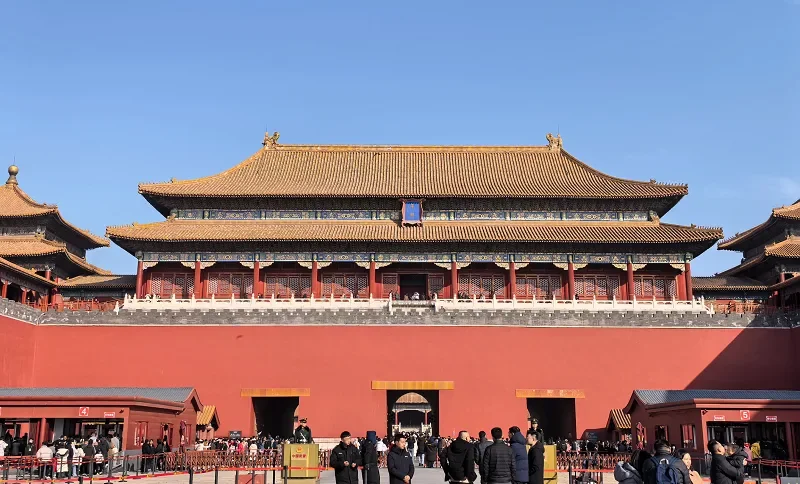
The Forbidden City's grand five-arched southern entrance gateway and sole official visitor entry point, built as the palace's most imposing outer defensive structure during the Ming Dynasty. Historically, the Meridian Gate's upper multi-tiered tower served dual imperial purposes: hosting grand imperial victory parades for returning victorious military generals after major wars and acting as the emperor's elevated viewing stand for annual important seasonal rituals and imperial procession ceremonies. Its unique five-door layout carries strict ancient hierarchical rules in imperial times: only the reigning emperor could pass through the central largest archway, with secondary side gates reserved for high-ranking royals and ranked court officials respectively.
Hall of Supreme Harmony (Taihedian)
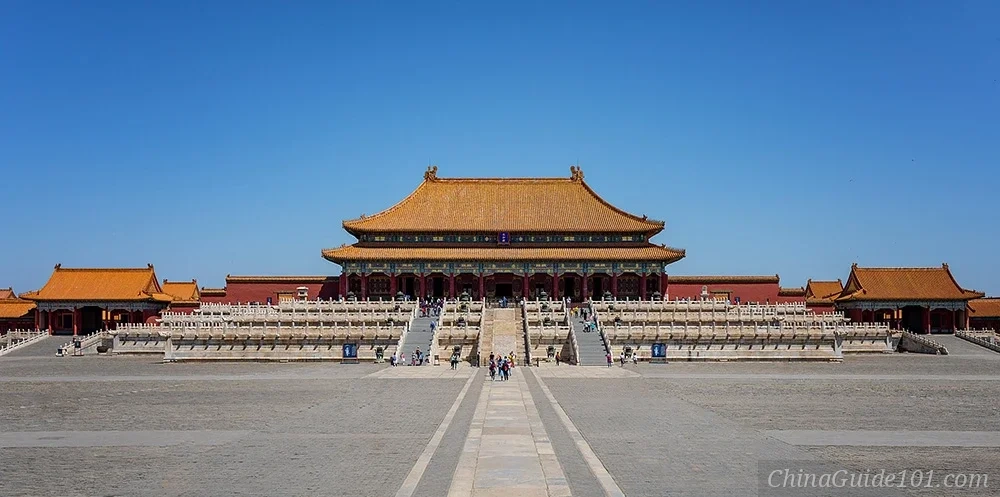
Unanimously recognised as the Forbidden City's most famous and symbolically vital single building, the largest wooden palace hall in all China constructed atop a massive triple-layer white marble stone terrace adorned with intricately carved dragon stone balustrades. Throughout Ming and Qing dynasties, this hall hosted the empire's most pivotal state ceremonies including emperor coronations, imperial birthday grand celebrations and New Year's Day national court gatherings, where the emperor sat on the legendary golden dragon throne to receive nationwide official tributes and ministerial homage. Every decorative beam, roof ridge sculpture and courtyard layout surrounding the hall symbolises supreme imperial sovereignty and ancient Chinese cosmic hierarchy design principles.
Hall of Central Harmony (Zhonghedian)
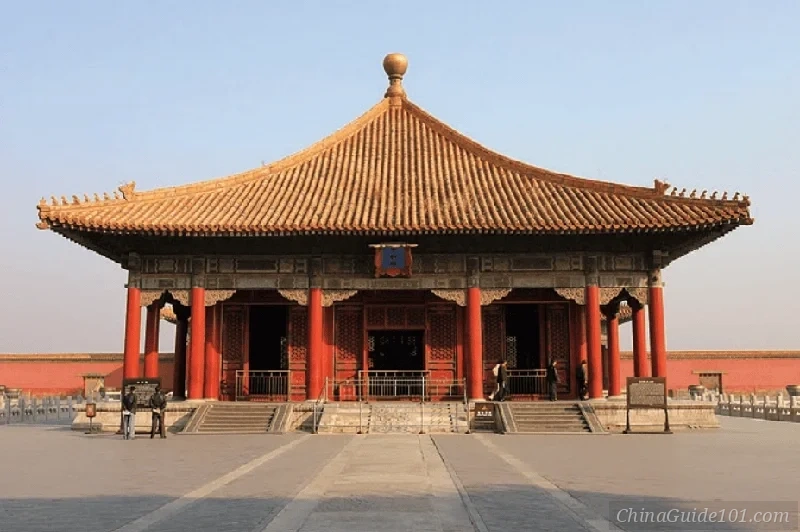
Positioned midway between the Hall of Supreme Harmony and Hall of Preserving Harmony along the central axis, a smaller square-shaped resting palace serving as the emperor's private pre-ceremony preparation chamber. Before heading to grand official rituals in the adjacent Hall of Supreme Harmony, emperors would retreat here to review upcoming ceremony scripts, don full formal imperial dragon robes and take brief rest breaks between lengthy state proceedings, the hall's compact scale creates a sharp architectural contrast against the towering adjacent grand halls.
Hall of Preserving Harmony (Baohedian)
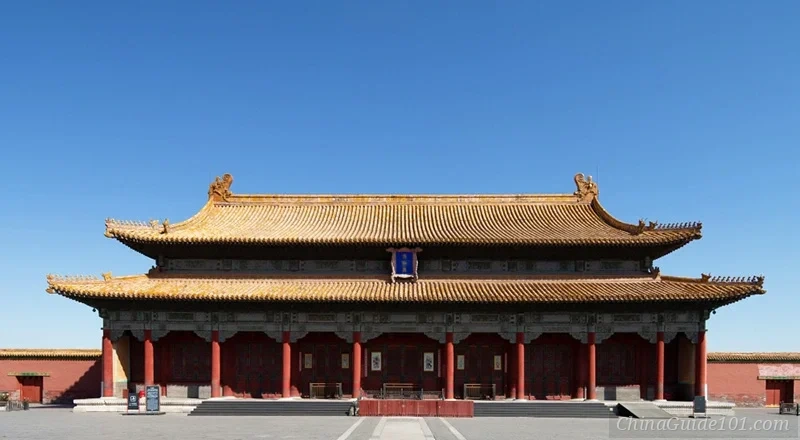
The northernmost building of the Outer Court's three core grand halls with dual historical functionality shifting across Ming and Qing eras. During earlier Ming rule it operated as the emperor's secondary feast banquet venue for high-ranking imperial clan members and top court officials, under Qing Dynasty governance the space was repurposed to host China's imperial final-level civil service examinations (Palace Examination), where the nation's top academic hopefuls competed directly before the emperor for coveted elite government official appointments, the highest academic honour of ancient China's scholarly civil service system.
Palace of Heavenly Purity (Qianqinggong)
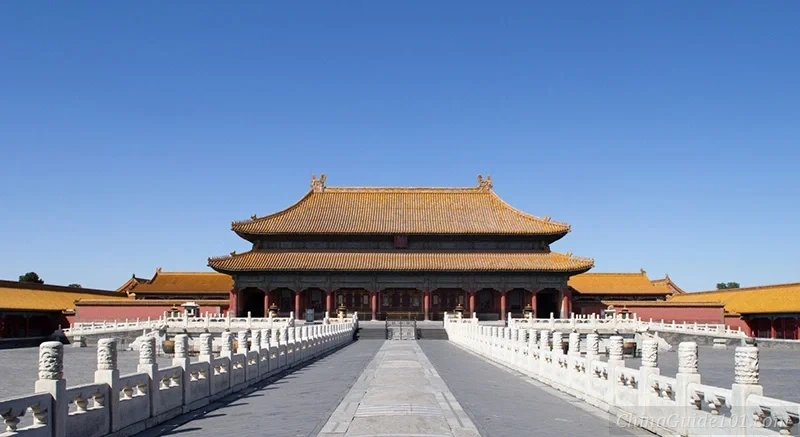
The primary residential throne hall of the Inner Court, functioning as the late Ming and early Qing emperors' main living quarters plus daily informal office space for routine state governance and minor minister audience meetings. A secret storage compartment hidden above its main throne platform once held imperial appointment edicts used for secretly designating future crown princes without public pre-announcement, one of the most well-known royal institutional secrets of Qing imperial succession rules widely documented in Chinese historical archives.
Palace of Earthly Tranquility (Kunninggong)
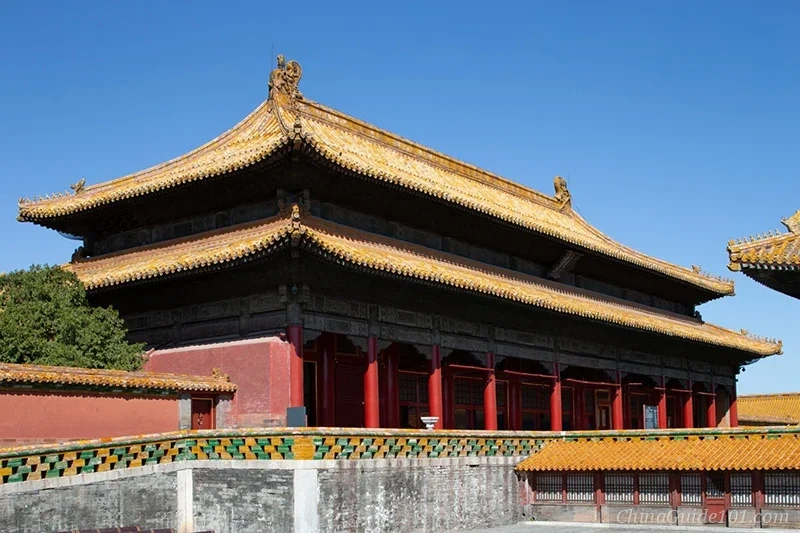
The northern endpoint of the Inner Court's core three main buildings, originally constructed as the formal primary living residence for China's reigning empresses in early Ming times, large-scale Qing Dynasty renovations split the building into two functional halves: the eastern section reserved exclusively for imperial wedding nuptial chambers for newly crowned emperors and their empress brides, while the western rooms were converted into sacred shamanic ritual worship space for the Qing imperial family's traditional ethnic religious ceremonies conducted on fixed annual calendar dates.
Imperial Garden (Yuhuayuan)
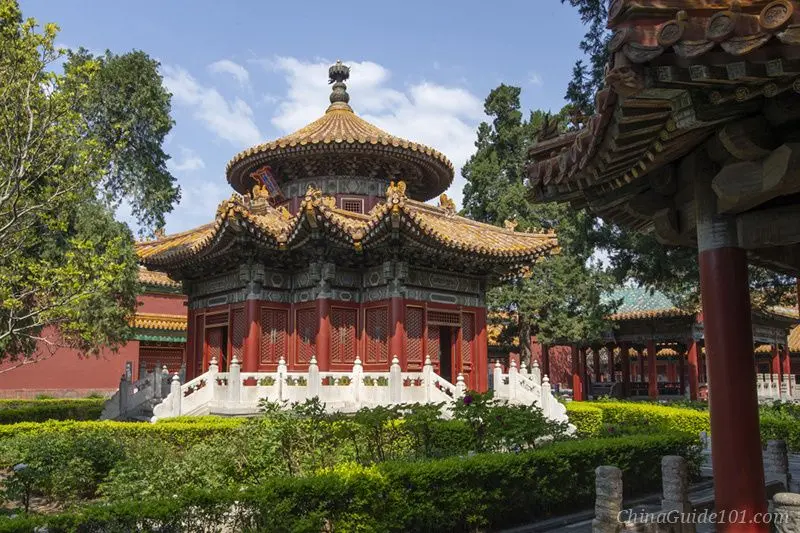
A compact yet exquisitely detailed classical Chinese imperial garden occupying roughly 12,000 square metres at the northern tip of the central sightseeing axis, built as the exclusive leisure retreat for the emperor, empress and palace concubines to escape formal palace life. Packed with centuries-old gnarled cypress trees, fantastically shaped naturally formed scholar's rock stone sculptures, intricately carved stone pavilions, winding miniature brooks and seasonal blooming flower beds, it stands as the final relaxed sightseeing stop before exiting through Divine Might Gate, its quiet shaded benches make ideal rest stops after hours of continuous palace walking for tired travellers.
Hidden Gems Most Tourists Miss
Treasure Gallery
Located within the eastern Palace of Tranquil Longevity compound originally built by Qing Emperor Qianlong as his planned post-retirement private royal estate, this dedicated exhibition space houses thousands of priceless imperial treasures unavailable in free main palace halls: hand-carved solid gold ritual vessels, flawless jade imperial seals, gem-encrusted royal hair ornaments, rare ancient ivory craftsmanship and the iconic full-colour glazed Nine-Dragon Screen wall, a 29-metre-long architectural masterpiece depicting nine intertwined vividly detailed dragons chasing flaming pearls across a coloured tile backdrop.Often bypassed by casual crowds rushing along the central axis, this eastern wing offers a much quieter and more intimate viewing experience , making its exhibition rooms far quieter than crowded main palace halls year-round.
PRO TIP: EXTRA ADMISSION
An additional ticket is required for the Treasure Gallery:CNY 10
Clock and Watch Gallery
Housed inside eastern Fengxian Hall, this underrated specialised museum curates over 2,000 rare antique mechanical timepieces collected by Qing emperors Kangxi and Qianlong, combining handmade Chinese indigenous wooden clocks and lavish precision-engineered luxury clock imports from 18th-century Britain, France, Switzerland and other European kingdoms.
First scheduled daily demonstration show. Preserved vintage clocks are manually wound to showcase moving mechanical automata including singing golden birds, sailing miniature wooden ships and dancing figurines.
Second scheduled daily demonstration show. These live working displays captivate both adult history buffs and curious young children, easily ranking as one of the Forbidden City's most overlooked hidden highlights.
PRO TIP: EXTRA ADMISSION
An additional ticket is required for the Clock and Watch Gallery:CNY 10
Eastern Palaces (East Six Palaces)
Six connected separate courtyard compounds lining the entire eastern side of the Inner Court, historically the designated residential zone for the emperor's secondary concubines and lesser-ranked imperial princesses, unlike the packed central axis landmarks these interconnected side palaces feature wide empty quiet courtyards, faded original wooden palace fittings and minimal tourist foot traffic on most weekdays outside major holiday peaks. Several individual eastern palace halls host rotating small-scale temporary art and porcelain exhibitions throughout 2026, presenting rare curated artifacts absent from mainstream museum displays.
Western Palaces (West Six Palaces)
The western counterpart residential wing for imperial concubines and high-ranking royal female relatives, home to the famous Hall of Mental Cultivation (Yangxindian) – the de facto political nerve centre of late Qing China where eight successive Qing emperors lived and conducted daily national governance from the mid-1700s onward. This hall is globally famous as the location of China's iconic "behind-the-curtain ruling" period where Empress Dowager Cixi governed the entire Qing Empire for decades by issuing royal edicts from behind a hidden silk screen separating her from male court ministers, most rushed first-time tourists skip the entire western wing entirely, missing this historically pivotal palace cluster rich with late-Qing royal intrigue stories.
How Long Does It Take to Visit the Forbidden City?
Suitable exclusively for travellers with extremely tight Beijing transit timelines like same-day flight/layover passengers, itinerary limited strictly to core central axis signature landmarks only: Meridian Gate → Hall of Supreme Harmony → Palace of Heavenly Purity → Imperial Garden → North Gate Exit, all side palaces, paid extra galleries and peripheral scenic spots are fully omitted to cut walking distance drastically, providing a concise introductory snapshot without in-depth cultural exploration.
The universally advised ideal sightseeing duration balancing depth and pace, completes full central axis plus short optional detours into either Eastern Treasure Gallery or Western Hall of Mental Cultivation, includes leisurely 15–20 minute rest breaks at Imperial Garden benches for refreshment and fatigue recovery, allowing enough time to read landmark informational plaques and appreciate architectural detailing without rushed hurried pacing through crowded halls.
Designed for deep-dive cultural travellers and photography specialists, this full-day route includes the complete central axis, the two paid galleries (Treasure & Clock Galleries), a thorough exploration of all peripheral courtyard clusters in the East and West Six Palaces, and a slow-paced, detailed roaming of the Imperial Garden with multiple rest pauses.
- Plan Midday Dining Carefully : Meals are available at limited on-site cafés, such as the Icehouse Restaurant (Bingjiao Canting) near the Hall of Mental Cultivation, and visitors are welcome to bring their own packed lunch to enjoy during the break.
- Don't Attempt Re-entry : Please plan for a midday packed lunch break as tickets are strictly single-entry, with no re-entry allowed once you exit the palace (even if you retain your passport or ticket QR code, per 2026 security rules).
Visiting the Forbidden City with Kids
Is It Family Friendly?
Overall moderately family-friendly with mixed pros and cons: grand towering golden palace rooftops, vivid red wall aesthetics and moving mechanical clock displays at Clock Gallery easily engage children's visual curiosity, however long stretches of continuous flat stone pavement walking and text-heavy indoor historical exhibition rooms can bore younger kids below age 7 without pre-planned engaging activity preparation. Structured kid-focused routes prioritising interactive visual highlights drastically improve family touring satisfaction as covered in earlier family-friendly route section.
Stroller Accessibility
- Use Lightweight/Foldable Strollers : All core central-axis main palace halls feature barrier-free smooth stone walkways suitable for standard child strollers, most side eastern/western palaces have low single stone step thresholds easily navigable with foldable lightweight strollers.
- Utilize Free Rentals : Limited complimentary temporary stroller rental service is available near Meridian Gate visitor service centre on a first-come-first-served basis for deposit (passport held as collateral during rental period).
- Expect Full Access Everywhere : Steep uneven ancient stone staircases leading up to Hall of Supreme Harmony's triple marble terrace are the only major stroller obstacle requiring parental carry assistance for toddlers.
Restrooms and Facilities
Clean public restroom blocks spaced every 400–500 metres along main central sightseeing path and inside Imperial Garden, with dedicated infant changing stations inside all main toilet facilities per 2026 upgraded museum amenities, minimal on-site snack kiosks inside the compound sell bottled water, packaged biscuits and simple local pastries at slightly above market retail pricing, travellers packing lightweight child-friendly snacks and drinking water from outside saves unnecessary overpriced on-site food expenses.
Child-Friendly Highlights
- Clock Gallery's twice-daily moving antique clock demonstration shows (singing automaton clocks top children's favourite attraction list),
- Imperial Garden's whimsical ancient rockery caves, small ornamental ponds and winding shaded footpaths ideal for casual kid wandering,
- Nine-Dragon Screen mural wall inside Treasure Gallery with brightly coloured detailed dragon art capturing young children's imagination,
- Wide open empty Outer Court courtyards for brief unstructured kid running breaks between hall visits.
Tips for Avoiding Fatigue
PRO TIP: STAYING ENERGETIC
Schedule family arrival for early opening 8:30 AM to complete the most distant far-end palace sights before midday child tiredness sets in, split sightseeing into alternating indoor exhibition hall stops and outdoor garden rest breaks every 45 minutes, bring portable foldable lightweight seating stools for quick roadside rest on empty courtyard stone platforms when official benches are fully occupied during peak crowd periods.
Photography Tips
Best Photo Spots
Hall of Supreme Harmony Outer Courtyard
The wide open foreground courtyard directly south of the Hall of Supreme Harmony's triple marble terrace delivers the iconic full-frame postcard Forbidden City shot with golden curved rooflines towering above layered white carved stone balustrades against open sky. Early morning before 10 AM has zero random tourist crowds blocking central composition for clean unobstructed wide-angle landscape photos.
Palace Inner Courtyards (East & West Six Palaces)
Quiet peripheral side palace courtyards feature unbroken deep red palace walls paired with single ancient gnarled trees for minimalist vertical portrait and architectural detail shots, far less crowded than main central-axis shooting locations year-round except major national holidays.
Imperial Garden Pavilion & Rockery Zones
Twisted aged stone formations, curved traditional Chinese roofed pavilions and seasonal blooming flower clusters inside the Imperial Garden produce soft natural-frame foregrounds ideal for portrait and close-up architectural detail photography, especially during spring blossom and autumn golden foliage seasons.
Best Lighting Conditions
Warm soft low-angle sunlight strikes golden glazed roof tiles and deep red wall facades producing rich saturated colour tones without harsh midday overhead shadow, optimal for full landmark wide-angle photography across core Outer Court courtyards.
Warm orange-tinted sunset light bathes west-facing palace walls for atmospheric warm-toned portrait shots and moody courtyard scenery photography, the preferred shooting window for most professional travel photographers visiting in 2026.
⚠️ Lighting Warning:Avoid harsh midday 12:00–14:00 overhead sun creating stark unflattering dark black shadows under roof eaves and uneven wall lighting across most landmark facades.
Photography Rules
- Casual Gear : Personal consumer-grade cameras, smartphones and compact mirrorless cameras with standard small lenses are permitted everywhere with no pre-approval required per 2026 updated museum regulations.
- Permitted Professional Gear : Large gear, tripod rigs, or commercial/paid photoshoots are allowed only with a formal advance written permit submitted to Palace Museum administration at least 7 working days prior via the official English portal.
- Indoor Flash Photography : Strictly banned inside all indoor artifact exhibition halls (Treasure Gallery, Clock Gallery and all rotating temporary exhibit spaces) to prevent harmful light damage to fragile antique relics, paintings and organic fabric artifacts.
- Unapproved Professional Gear : Using professional filming equipment, large studio lighting, or running unpermitted commercial shoots will result in on-site equipment temporary confiscation until permit processing completion.
Visitor Tips and Etiquette
Security Checks
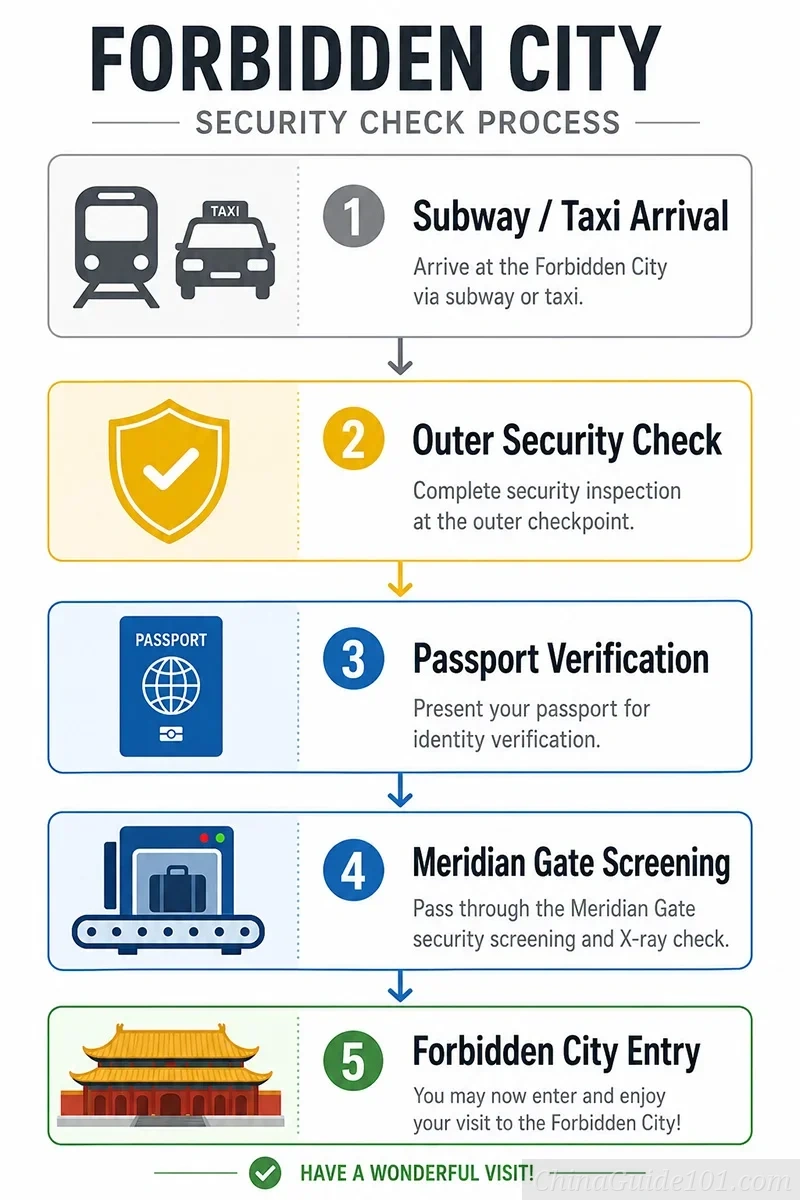
Visitors entering the Forbidden City should expect multiple security screenings before reaching the Meridian Gate (Wumen), the main visitor entrance. Because the palace is located within the security-controlled Tiananmen Area, access is subject to passport verification, ticket checks, and security inspections. International visitors should ensure that any required reservations have been completed in advance and carry the same passport used for booking.
After passing the outer security checkpoint, visitors proceed toward the Meridian Gate, where an additional screening and ticket verification are conducted before entry. During peak seasons, weekends, and public holidays, security queues can be lengthy, so arriving 30–60 minutes before your scheduled entry time is recommended.
- Travel Light : To speed up the screening process, travel light and avoid carrying unnecessary items.
- Arrive Early : Arriving 30–60 minutes before your scheduled entry time is highly recommended during peak periods.
- Prohibited Items : Dangerous items, controlled knives, drones, flammable materials, and other prohibited articles are not permitted. Large luggage and oversized equipment may also be restricted.
Passport Requirements
⚠️ Passport Reminder:Your original physical passport matching your pre-booked ticket ID information must be carried on your person at all times. Duplicate random spot ID verification checks can occur at inner-gate checkpoint stations around crowded landmark zones. Lost passport copies cannot substitute original documents.
What to Wear
FOOTWEAR & APPAREL ADVICE
Prioritise fully broken-in supportive walking footwear over high heels or thin flat slip-on sandals—over 80% of the palace sightseeing path consists of uneven ancient polished stone paving covering kilometres of continuous walking terrain.
Wear lightweight breathable layered clothing adaptable to shifting outdoor temperatures across spring/autumn, thick insulated down outerwear for frigid winter visits, and loose sun-protective lightweight fabrics for hot humid summer sightseeing. Neutral or soft pastel coloured casual clothing creates striking complementary visual contrast against the Forbidden City's signature red walls and golden rooftops for casual travel photos.
Food and Drink
- Packaged Food : Outside packaged sealed snacks and factory-sealed bottled drinking water are allowed to be brought inside the palace premises. Pre-visit grocery supply packing is the most budget-friendly option.
- Picnics & Alcohol : Open unpackaged homemade food, large full-sized picnic hampers, and alcoholic beverages are forbidden from entry. No outdoor open-flame cooking or full picnic spread setup is permitted anywhere within palace courtyard grounds.
Accessibility Information
Designated barrier-free wheelchair-friendly access paths connect all core central-axis main buildings with marked ramp access replacing select uneven stone steps. A complimentary wheelchair borrowing service is available near the Meridian Gate visitor centre with valid passport collateral deposit for full-day usage on limited available stock (subject to daily remaining inventory availability). Visually impaired travellers can rent multilingual audio descriptive guide devices at the main entry service counter for a small nominal daily rental fee.
Important Rules to Know
- Stay on Designated Paths : Strictly stay on designated marked public sightseeing footpaths. Climbing ancient palace stone balustrades, stepping onto protected historic grass plots, or touching fragile aged wooden palace structural fittings carries on-site verbal warnings and potential small on-the-spot fines enforced by uniformed museum patrol staff.
- Use Public Waste Bins : No litter disposal outside designated marked public waste bins scattered around courtyard rest areas to preserve the UNESCO site's protected ancient landscape.
- Maintain Quiet Indoor Etiquette : Respect quiet indoor etiquette inside all artifact exhibition galleries by speaking in low muted voices to avoid disrupting other visitors' viewing experience.
- Follow One-Way Flow : Adhere to official one-way directional walking signage across the entire compound. Unauthorised backtracking against marked flow routes is prohibited by uniformed on-site museum attendants at all inner palace checkpoint gates.
What to See Near the Forbidden City
Tiananmen Square
Positioned directly south across Chang'an Avenue from Meridian Gate, combine a 30–60 minute pre-Forbidden City Square sightseeing stop on the same travel day to maximise your central Beijing itinerary efficiency, admire the iconic Tiananmen Rostrum Gate facade, towering Monument to the People's Heroes and Chairman Mao Memorial Hall before proceeding through security toward palace entry gates. Most first-time overseas travellers bundle Square + Forbidden City into one seamless full morning sightseeing block as standard Beijing itinerary practice.
PRO TIP: SEPARATE RESERVATION REQUIRED
An advance, separate free same-day reservation is required for entry to the Chairman Mao Memorial Hall via the official WeChat mini-program.
Jingshan Park
Instantly accessible via short 5-minute walk north after exiting the Forbidden City's Divine Might North Gate, budget 1–1.5 hours for relaxed uphill hiking to the park's central highest peak pavilion, universally acknowledged as the world's premier elevated vantage point for complete unobstructed overhead panoramic photos capturing the entire sprawling golden-tiled Forbidden City skyline stretching from southern Meridian Gate all the way north to your standing park position. It is an extremely affordable supplementary post-palace sightseeing activity for all budget tiers of travellers.
ADMISSION & FEES
Park admission costs only CNY 2 per adult (off-season pricing slightly discounted).
Beihai Park
A leisurely 15-minute northwest riverside stroll from the Forbidden City's north exit gate, China's oldest surviving classical imperial garden dating back over 1,000 years pre-dating the Forbidden City's construction, defined by its iconic lakeside white Tibetan-style Buddha pagoda perched atop an island surrounded by calm reflective lake waters. Perfect low-key afternoon follow-up destination after busy crowded palace touring for travellers seeking tranquil tree-shaded lakeside walking paths away from massive tourist crowds.
ADMISSION & FEES
Full park entry ticket is CNY 10 during peak season and CNY 5 during off-season per 2026 pricing.
National Museum of China
Situated along Tiananmen Square's eastern perimeter, roughly 15-minute walking distance southeast from the Forbidden City's south Meridian Gate, China's largest comprehensive national history museum housing over 1.4 million ancient Chinese cultural relics spanning prehistoric civilisation through dynastic China up to modern national development. History-focused travellers commonly pair half-day National Museum morning exploration with afternoon Forbidden City palace touring for a cohesive full-day ancient Chinese history themed Beijing itinerary.
PRO TIP: FREE ENTRY BUT BOOK IN ADVANCE
All museum entry is completely free for international visitors, but requires an advance same-day online pre-reservation via the official English website.
Forbidden City vs Summer Palace
Key Differences
| Comparison Category | Forbidden City | Summer Palace |
|---|---|---|
| Core Historical Function | Primary imperial governing palace + permanent royal residential complex (Ming/Qing formal seat of national government for nearly 500 years) | Exclusive Qing Dynasty imperial summer leisure retreat built for escaping Beijing's sweltering hot summers, never used for formal state governance or permanent royal residency |
| Total Land Scale | 72 hectares compact walled city with densely packed interconnected palace buildings and narrow courtyard layouts, strict symmetrical north-south axial architectural planning | 297 sprawling hectares of mixed natural landscape with vast Kunming Lake covering roughly three-quarters total park space, scattered unevenly placed palace buildings blended organically into rolling hills and natural water scenery |
| Dominant Architectural Vibe | Grand imposing imperial authority design defined by uniform red thick defensive walls, golden glazed roof tiles and rigid symmetrical ceremonial courtyard layouts embodying feudal Chinese imperial power aesthetics | Soft flowing classical Chinese garden design harmonising man-made carved wooden architecture with natural mountains, lake waters and wild vegetation, prioritising relaxed leisurely pastoral atmosphere over formal regal grandeur |
| Ideal Visit Duration | Minimum 3–4 core hours, full day complete deep exploration | Standard 3–3.5 casual sightseeing hours focused on lakeside Long Corridor, Buddha Incense Tower and Seventeen-Arch Bridge highlights |
| Ticket Price (2026 Standard) | ¥60 peak / ¥40 off-season base + optional ¥10×2 extra gallery tickets | ¥30 peak / ¥20 off-season base park ticket + ¥30 supplementary full site combo ticket covering all indoor exhibition halls |
Which One Is Better for First-Time Visitors?
For absolute first-time Beijing travellers prioritising core iconic Chinese imperial culture and signature landmark bucket-list sightseeing, the Forbidden City consistently ranks as the non-negotiable top pick, encapsulating the most representative concentrated Ming/Qing imperial palace architecture and dynastic history in a single compact compound unmatched by any other Beijing heritage site.
Reserve the Summer Palace for your second or third Beijing sightseeing day once you've completed the Forbidden City core landmark experience to diversify your imperial-themed travel portfolio with contrasting natural garden-focused royal leisure history.
Can You Visit Both?
Yes, combining both landmarks across a two-consecutive-day Beijing itinerary delivers perfectly balanced imperial culture sightseeing blending formal regal palace grandeur and relaxed lakeside royal garden tranquility:
Tiananmen Square → Forbidden City full core tour → post-visit Jingshan Park sunset overlook sightseeing (all clustered within central Dongcheng District with minimal transit travel between stops).
Full Summer Palace day excursion via Beijing Metro Line 4 direct access from downtown central stations, wrapping up late afternoon with nearby local Haidian District authentic northern Chinese dinner sampling to cap the two-day imperial-themed Beijing travel block.
💡 Quick Tip:For travellers with only a single full Beijing day available, prioritise the Forbidden City as your sole imperial heritage stop and drop the Summer Palace to avoid rushed, overpacked cross-city transit between geographically separated sites.
Frequently Asked Questions
Q: Is the Forbidden City worth visiting?
Absolutely. As the world's best-preserved wooden imperial palace compound and a cornerstone of Chinese civilization, the Forbidden City delivers irreplaceable insight into 500 years of Ming and Qing royal politics, art, architecture and daily court life.No other single attraction in Beijing condenses imperial Chinese history so vividly within one enclosed site.Even casual sightseers without deep historical interest appreciate its striking red-and-gold architecture and serene ancient courtyards. If your Beijing trip centers on traditional Chinese culture, it is an indispensable stop on your travel checklist.
Q: Can foreigners visit the Forbidden City?
Yes, international tourists holding valid ordinary passports are fully welcome per 2026 museum regulations.The entire reservation and entry process is tailored for overseas guests with English-language booking channels and dedicated passport-check entry lanes at Meridian Gate. Only visitors with expired or invalid travel documents will be refused admission. Diplomatic passport holders follow the same pre-booking rules as regular foreign travellers with minor priority at on-site inspection channels.
Q: Can I buy tickets at the entrance?
No walk-up counter sales exist at any gate in 2026.Every single ticket must be reserved online in advance via the official English website or authorised WeChat channels. Tickets go on sale exactly seven days ahead at 20:00 (8:00 PM) Beijing Time and tend to sell out rapidly during peak seasons. Rarely, cancelled or unpaid bookings are sporadically released back into the pool between 20:30 and 21:00, but relying on gate purchases is impossible and will result in missed entry. Avoid unlicensed street scalpers selling marked-up fake QR tickets that cannot pass entry scanning.
Q: How many hours should I spend there?
For most overseas first-time visitors,a 4-hour itinerary hitting the central axis plus one supplementary side palace or paid gallery strikes the perfect balance between thorough sightseeing and avoiding exhaustion. History buffs and photographers need 6–7 full hours to explore east/west auxiliary palaces alongside the Treasure and Clock Galleries, while hurried layover or business travellers can cover iconic landmarks in a condensed 2-hour quick tour.
Q: Is the Forbidden City suitable for children?
It is moderately child-friendly with proper route planning . Young kids enjoy the moving automaton clocks at the Clock Gallery, colourful Nine-Dragon Screen in the Treasure Gallery and playful rockery landscapes inside the Imperial Garden, but long stretches of repetitive hall viewing and extensive stone paving walking may bore children under six. Following the pre-planned family-friendly walking route minimises unnecessary hiking and maximises visually engaging spots to keep youngsters entertained.
Q: Is the Forbidden City wheelchair accessible?
Core central-axis attractions are fully equipped with barrier-free ramps and smooth accessible walkways. Free manual wheelchair borrowing is available near Meridian Gate's visitor service centre against passport deposit on a first-come-first-served basis, though stock is limited during peak holiday seasons. Some remote auxiliary side courtyards retain narrow ancient stone steps without ramps, which require alternative path detours for wheelchair users. On-site staff provide directional guidance upon request.
Q: Can I visit without a guide?
Self-guided travel is highly recommended and entirely feasible in 2026.Multilingual informational plaques (English, Chinese, Japanese and Korean) stand beside all major halls detailing architectural background and historical anecdotes, and affordable multilingual audio guide devices can be rented at the main entry for self-paced narration. Hiring a licensed English-speaking local guide only benefits travellers aiming for in-depth untold palace legends and obscure historical trivia.
Q: What is the best season to visit?
Autumn (September through early November) consistently ranks top among global visitors thanks to crisp dry weather, bright blue skies, golden autumn foliage inside the Imperial Garden and noticeably thinner crowds after China's summer school break. Spring (March–May) follows as the second-best pick with blooming seasonal flowers surrounding the palace moat. Winter is ideal for crowd-averse travellers chasing snow-covered palace scenery, while hot humid summer months should be scheduled for early-morning entry only to escape midday heat and packed crowds.
Final Thoughts
For more than a century after transforming from a restricted royal compound into a public museum, the Forbidden City remains the cultural heart of Beijing and one of Earth's most celebrated heritage landmarks, seamlessly blending monumental imperial architecture, millions of priceless ancient artifacts and centuries of layered Chinese dynastic history under its iconic golden glazed rooftops. Every red-walled courtyard, carved marble terrace and wooden imperial hall tells untold stories of emperors, empresses, palace servants and pivotal national events that shaped modern China.
KEY TO A PERFECT VISIT
Advanced online reservation is the single most critical preparation step for all inbound international visitors. Locking in your entry slot exactly seven days before travel at 20:00 (8:00 PM) Beijing Time eliminates the risk of fully sold-out visiting dates, especially during peak spring, autumn and Chinese national holiday windows.
To craft a well-rounded Beijing cultural itinerary, pair your Forbidden City tour with adjacent nearby landmarks including Tiananmen Square, Jingshan Park and Beihai Park on the same travel day. This clustered sightseeing combination maximises your downtown Beijing efficiency without lengthy cross-city transit, letting you experience imperial Beijing's layered history from multiple scenic viewpoints within a single day. For travellers extending their stay across multiple days, add the Summer Palace or National Museum of China to round out your deep dive into China's imperial and ancient civilisation.
Whether you are a casual leisure traveller, a curious family, a passionate history scholar or a landscape photographer chasing perfect architectural shots, the Forbidden City delivers an unforgettable cultural experience that anchors any trip to Beijing. With thoughtful pre-planning guided by this handbook, your visit will avoid common tourist pitfalls and let you fully absorb the unmatched grandeur and timeless charm of China's legendary former imperial palace.