
The Soul of China
Welcome to Beijing — a city where six centuries of imperial grandeur sit shoulder-to-shoulder with gleaming glass skyscrapers and avant-garde art galleries. If China is a sprawling epic novel, Beijing is its opening chapter. This is where you'll find the Forbidden City's vermilion walls standing proud against the modern silhouette of the Central Business District (CBD). One moment you're wandering through a hutong alleyway in a traditional courtyard house (a Siheyuan), hearing the clatter of mahjong tiles and the sizzle of a jianbing being made; the next, you're in Sanlitun, sipping a meticulously crafted cocktail in a rooftop bar overlooking the city's neon pulse.
For the first-time visitor to China, Beijing is non-negotiable. It's the essential first stop because it anchors you in the cultural and political bedrock of the nation. You'll touch history at the Great Wall, savor the ritual of slicing Peking Duck, and navigate a subway system that rivals any in the world for efficiency. This guide is designed to cut through the noise, offering up-to-the-minute 2026 advice so you can navigate the capital like a seasoned insider rather than a bewildered tourist.
PRO TIP: Why Beijing is Essential
For the first-time visitor to China, Beijing is non-negotiable. It's the essential first stop because it anchors you in the cultural and political bedrock of the nation. You'll touch history at the Great Wall, savor the ritual of slicing Peking Duck, and navigate a subway system that rivals any in the world for efficiency. This guide is designed to cut through the noise, offering up-to-the-minute 2026 advice so you can navigate the capital like a seasoned insider rather than a bewildered tourist.
Planning Your Visit (The Practicalities)
Best Time to Visit: Navigating Golden Week and the Autumn Gold
Beijing is a city of distinct seasons. Autumn (September to October) is, without exaggeration, the golden ticket. The sky clears to a brilliant sapphire blue, the humidity of summer vanishes, and the temperatures hover in a perfect 15–25°C (59–77°F) range. This is when the city's greenery transforms into a fiery palette. If you're here between mid-October and mid-November, you absolutely must head to Fragrant Hills Park (Xiangshan). The park's slopes become a spectacular canvas of crimson and gold, dominated by over 30 varieties of trees like Cotinus coggygria and Maple.
Spring (April to May) is the runner-up — warmer but windier, with beautiful blossoms dusting the parks. Summer (June to August) is hot, humid, and crowded. Winter (December to February) is freezing and bleak, though the absence of crowds can make indoor attractions like the National Museum more enjoyable.
A Critical Note on Crowds: Avoid traveling during the first week of October. This is Golden Week (China's National Day Holiday). During this period, the Forbidden City is a sea of heads, and the Great Wall becomes a pedestrian traffic jam. If you must travel then, book everything months in advance and prepare for intense crowds.
The city's greenery transforms into a fiery palette. From mid-October to mid-November, head to Fragrant Hills Park (Xiangshan)for spectacular crimson and gold foliage.
Warmer but windier, with beautiful blossoms dusting the parks throughout the city.
Summer (June-Aug) is hot and humid; Winter (Dec-Feb) is freezing and bleak, though good for uncrowded indoor museums.
- Book everything months in advance if you travel in early October.
- Avoid traveling during the first week of October (Golden Week ). The Great Wall becomes a pedestrian traffic jam.
Visa & Entry: The 240-Hour Visa-Free Transit (TWOV )
Here's the good news for those of you making a stopover: China offers a 240-Hour Visa-Free Transit (TWOV)policy. If you hold a passport from one of the 57 eligible countries — including the UK, USA, Canada, Australia, all Schengen Area nations, Japan, South Korea, and many others — you can enjoy up to ten full days in the country without applying for a tourist visa. This gives you ample time not only to explore Beijing but also to venture farther afield.For more related information visit China visa 101 guide.
PRO TIP: The Golden Rule of Transit
You must hold a confirmed onward flight (or train) ticket to a third country or region (e.g., London → Beijing → Tokyo, or Paris → Shanghai → Beijing → Hong Kong). You cannot fly round-trip from the same country (e.g., London → Beijing → London). Your stay is no longer limited to Beijing, Tianjin, and Hebei. Under the current policy, you may travel across 24 permitted provincial-level regions , meaning you can enter through Beijing and depart from a different city—such as Shanghai or Guangzhou—entirely within the visa-free window.
Internet & Apps: Your Digital Lifeline
Accessing the internet in China requires preparation. Google, Facebook, Instagram, WhatsApp, and Gmail are blocked. Before you leave home, download and set up a reputable VPN on your phone. For connectivity, consider an eSIM (from providers like Airalo or Holafly) which allows access to the global internet without a VPN, or purchase a local SIM card at the airport. Read more on China internet 101 guide .
The two apps you cannot survive without are Alipay and WeChat . Link your international credit card to both before you arrive,read more about payment on China payment 101 guide .You will use these apps to pay for everything — from street food to subway tickets. For navigation, download Apple Maps (which works surprisingly well in China) or Amap (Gaode Maps)if you can manage the Chinese interface. Google Maps is largely unusable.
Q: How do I access blocked sites like Google or Instagram?
Download a reputable VPN before leaving home, or use an eSIM (Airalo/Holafly) which often bypasses the firewall directly.
Q: How do I pay for things in Beijing?
Link your international credit card to Alipay and WeChat . These are essential for everything from street food to subways.
PRO TIP: 2026 Reality Check - Passport is your Ticket
Beijing has transitioned to a "paperless + passport direct-swipe" system. There is no physical ticket booth . You must carry your original physical passport at all times to scan at entrance gates, photos or copies are rarely accepted.
Cash & Change:While the city runs almost exclusively on Alipay and WeChat Pay, it is wise to carry a small emergency float of 100–200 RMB in cash (notes of 10, 20, and 50 RMB). You can obtain this from an ATM at the airport.
Getting There & Around (Navigation)
Airports: Capital (PEK) vs. Daxing (PKX)
Beijing has two international airports, and your experience will vary based on where you land.
The established hub for Air China and major international carriers.
- Airport Express:To Dongzhimen Station in 20–25 mins.25 RMB
- Taxi:40–60 minutes to central Beijing.100–150 RMB
The stunning Zaha Hadid masterpiece. Sleek and futuristic.
- Daxing Express:To Caoqiao Station in 19–20 mins.35 RMB
- High-Speed Rail:To Beijing West in 28 mins.12 RMB
PRO TIP: Which airport is better?
If you value proximity and don't mind a busier, older terminal, PEK is convenient. If you want to experience cutting-edge design and smooth, modern transit connections, PKX is a treat — just budget an extra 20–30 minutes for the journey into town.
Train Stations: High-Speed Rail Hubs
If you're arriving by high-speed train (the best way to travel within China), you'll likely arrive at Beijing South Station (mostly serving Shanghai and eastern routes) or Beijing Fengtai Station (a major new hub for southern and western routes).Beijing West Station handles routes from Xi'an and the west. All three are seamlessly connected to the Beijing Subway network, so you're only a few stops from the city center. Read more on China High-speed Rail 101 guide .
Local Transport: Mastering the Subway and Didi
The Beijing Subway is the backbone of the city. It's clean, incredibly cheap 3–8 RMB per ride, and English signage is excellent. Use the Yitongxing (亿通行)app or simply scan the QR code in Alipay's Transport section to pay for rides.
- Use Didi (integrated into Alipay/WeChat). You can type destinations in English and it translates for the driver.
- Avoid the subway during rush hour (7:30–9:00 AM and 5:30–7:00 PM) unless you enjoy being intimately acquainted with strangers.
PRO TIP: The Cash Backup
While Didi and the subway are cashless, keep a few small 10 RMB banknotes folded in your phone case. If your international credit card link suddenly fails Alipay's verification mid-trip, you can pay a Didi driver in cash (they all carry change). It's a rare but life-saving backup.
The "Big Three" Must-See Landmarks
The Forbidden City: Booking is Non-Negotiable (WeChat Essential)
Crucial Update for 2026: You cannot buy tickets at the gate. The Forbidden City operates on a strict, real-name reservation system. Tickets are released exactly 7 days in advance at 8:00 PM Beijing Time. They sell out within minutes, especially on weekends.
How to Book:
WeChat Mini Program (Recommended): Search for "故宫博物院" (The Palace Museum). The interface has an English option. You'll need to input your passport number.
Official Website:www.dpm.org.cn (click "Book tickets").
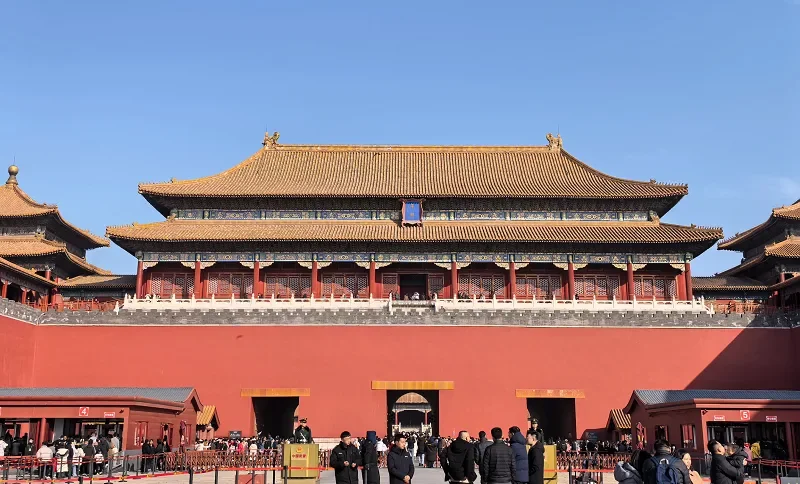
Q: How do I secure Forbidden City tickets in 2026?
Tickets are NOT sold at the gate. They are released exactly 7 days in advance at 8:00 PM Beijing Time . They sell out in minutes!
Booking Methods:
- WeChat Mini Program:Search for "故宫博物院" (The Palace Museum). It has an English option and requires your passport number.
- Official Website:www.dpm.org.cn
PRO TIP: The "Combo Ticket" Hack
If the main ticket slot is sold out, immediately check the option to add the Treasure Gallery (珍宝馆) or Clock Gallery (钟表馆). This is a slightly more expensive "combo" ticket (an extra 10 RMB) but often has availability when the general admission is gone. Opening Hours: April–October: 8:30 AM – 5:00 PM (last entry 4:10 PM). November–March: 8:30 AM – 4:30 PM (last entry 3:30 PM). Closed on Mondays
Opening Hours:April–October: 8:30 AM – 5:00 PM (last entry 4:10 PM). November–March: 8:30 AM – 4:30 PM (last entry 3:30 PM).Closed on Mondays .
The Temple of Heaven: The Morning Light is Everything
The iconic Hall of Prayer for Good Harvests is one of the world's most photographed buildings, but the secret to a great shot here is timing. Arrive right when the gates open (6:00 AM) . Not only will you beat the tour groups, but the early morning light casts a warm, golden glow on the blue-glazed tiles. Even better, you'll witness the park come alive with locals practicing tai chi, playing traditional instruments, and flying kites — a slice of authentic Beijing life that's more memorable than the architecture itself.For more details, see our Temple of Heaven travel guide .
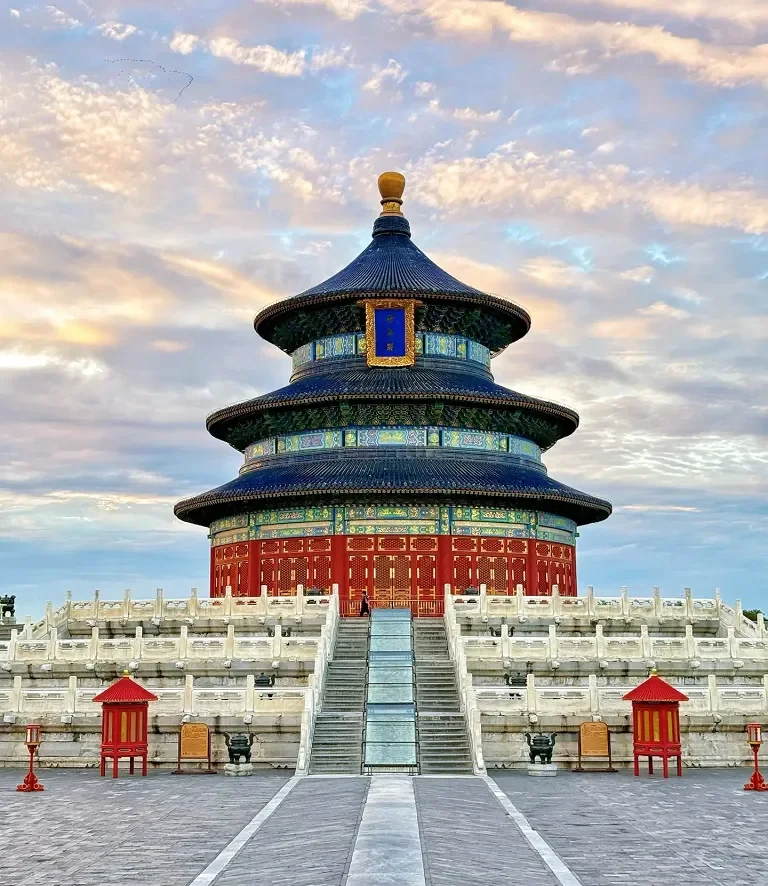
- Arrive at 6:00 AM when the gates open. You'll get the best light and see locals practicing Tai Chi and flying kites.
- Don't just photograph the buildings—the authentic local life in the park is the real highlight.
The Summer Palace: Navigating Kunming Lake
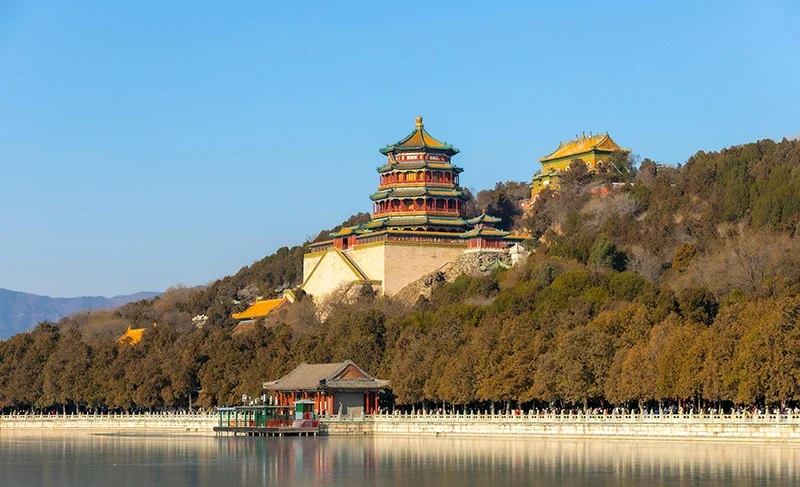
This vast imperial garden is easily a half-day adventure. Don't make the mistake of just seeing the hill. Rent a pedal boat or an electric boat on Kunming Lake (around 80–120 RMB per hour). From the water, you get the postcard-perfect view of the Longevity Hill, the Jade Belt Bridge, and the distant hills. After your boat ride, walk the Long Corridor — a 728-meter covered walkway painted with over 14,000 scenes from Chinese mythology.
PRO TIP: The Best View
From the water, you get the postcard-perfect view of the Longevity Hill, the Jade Belt Bridge, and the distant hills. After your boat ride, walk the Long Corridor — a 728-meter covered walkway painted with over 14,000 scenes from Chinese mythology. Read our Summer Palace guide for more visiting tips.
The Great Wall: Choosing Your Section
The Great Wall is not a single wall, it's a network, and choosing the right section defines your experience. Here is the 2026 breakdown:
This is the gold standard for a reason. It's fully restored, surrounded by dense forest, and offers the toboggan slide (luge) down — a thrilling way to descend the mountain. You take a cable car up to Tower 14, walk the scenic stretch between Towers 12 and 20, and then take the toboggan down from Tower 6. Getting there: Take the 916 Express bus from Dongzhimen to Huairou, then a local taxi, or use a private transfer. Cost: Entry 40 RMB, Cable Car/Toboggan combo around 140 RMB.
PRO TIP: Getting to Mutianyu
Take the 916 Express bus from Dongzhimen to Huairou, then a local taxi, or use a private transfer.Cost:Entry 40 RMB , Cable Car/Toboggan combo around 140 RMB .
This is the most famous section and the closest to the city center. It's also the most crowded. It is accessible via a dedicated high-speed train from Beijing North Station. Choose Badaling only if you are severely pressed for time or if you're visiting in the deep winter when crowds thin out. In peak season, avoid it.
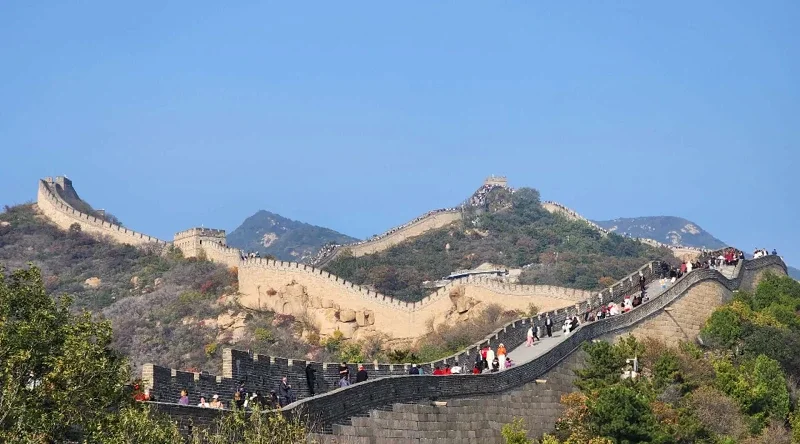
- Choose Badaling only if you are severely pressed for time or visiting in deep winter.
- In peak season, avoid it. It is the most congested section.
These sections offer the "Wild Wall" experience—crumbling, unrestored, and staggeringly beautiful.Jiankou is renowned among photographers for its steep, jagged ridges featured in countless "Great Wall of Black Mythology" shots.Simatai is the only section officially open for night tours .
PRO TIP: Important Safety & Accessibility Note
Jiankou is an unrestored 'wild' section not officially maintained as a public park.Access can be restricted by local forestry authorities for conservation or fire-prevention reasons, sometimes with very little notice.You must hire a registered local guide who knows the current trail conditions and which entry points are legally accessible.Do not attempt Jiankou alone.The terrain features crumbling battlements and steep drop-offs with no safety rails. Proper hiking boots and a high level of fitness are non-negotiable. Check current conditions with your hotel concierge or a reputable hiking agency the day before you plan to go. For a safer, similarly spectacular vista with fewer restrictions, consider Jinshanling as a rewarding alternative.Learn more in our comprehensive post:The Ultimate Great Wall of China Travel Guide
Cultural Immersion: Hutongs & Beyond
Hutong Life: Walking Routes
The hutongs are the capillaries of old Beijing. However, they are not all created equal.
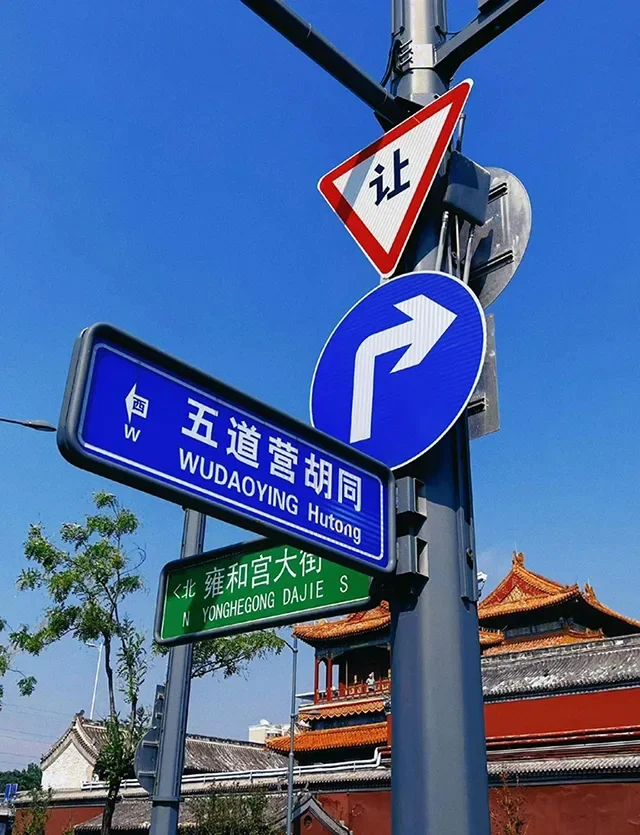
This is the antidote to Nanluoguxiang. A cooler, more relaxed strip filled with independent coffee shops, vintage vinyl stores, and boutique design shops.
The most famous hutong street. It's packed with souvenir shops and crowds. Fun and energetic, but not "authentic" in the quiet sense.
PRO TIP: The Perfect Loop
Start at the Lama Temple, walk through Wudaoying, and end at the Drum and Bell Towers.
Traditional Arts: Peking Opera and Acrobatics
For a night of spectacle, you cannot beat the Chaoyang Theatre Acrobatic Show . It's a high-energy display of human contortion, juggling, and motorcycle stunts inside a steel cage. It requires no knowledge of Chinese to enjoy.
For Peking Opera,Liyuan Theatre offers shorter, accessible excerpts with English subtitles.

PRO TIP: A Word of Caution
Peking Opera is an acquired taste — the high-pitched falsetto and clashing cymbals can be jarring to foreign ears, but the elaborate costumes and painted faces are mesmerizing.
Eat Like a Local (Beijing Food Guide)
Peking Duck: Beyond the Tourist Traps
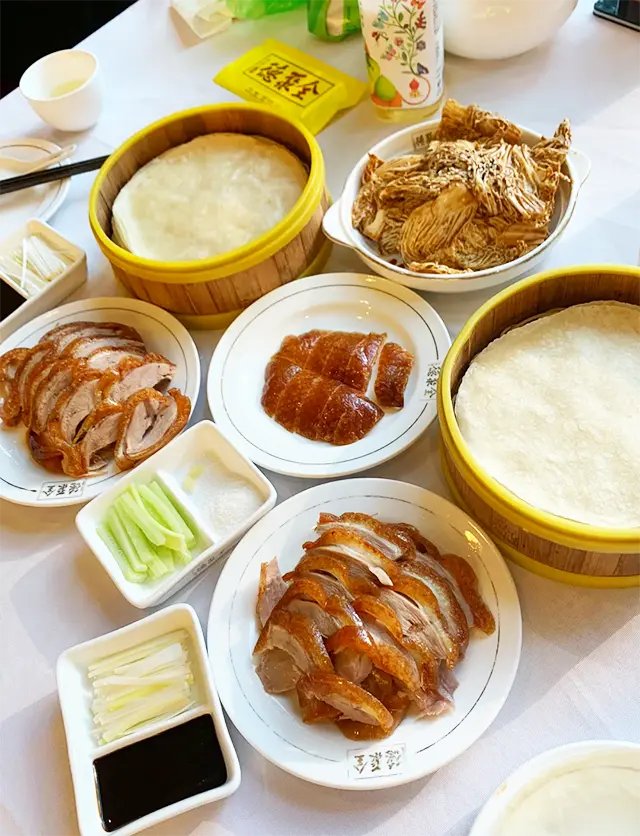
Quanjude is the household name, but it has become a high-volume tourist machine. For a superior experience, look to these alternatives:
This is where locals take their out-of-town guests. The duck is consistently crispy, the service is sharp, and the atmosphere is modern.
PRO TIP: The Wait
Be prepared to wait 1–2 hours at the popular Forbidden City view branch. It's worth it.
The oldest Peking Duck restaurant in Beijing (est. 1416). They use a "closed-oven" method that results in incredibly juicy, less greasy meat. The Qianmen branch is a classic spot with a much calmer vibe than Quanjude.
If you want a fine-dining, hotel-quality duck in a stunning setting, this is the premier choice. The duck is carved tableside, and the pancakes are paper-thin.
Street Food & Breakfast Culture
Start your day like a Beijinger. Hunt down a Jianbing (煎饼果子)cart — a crepe made with mung bean batter, egg, cilantro, scallions, and a crispy fried cracker, smeared with hoisin and chili sauce. It's the perfect on-the-go breakfast Under 10 RMB .

PRO TIP: The Douzhi Challenge
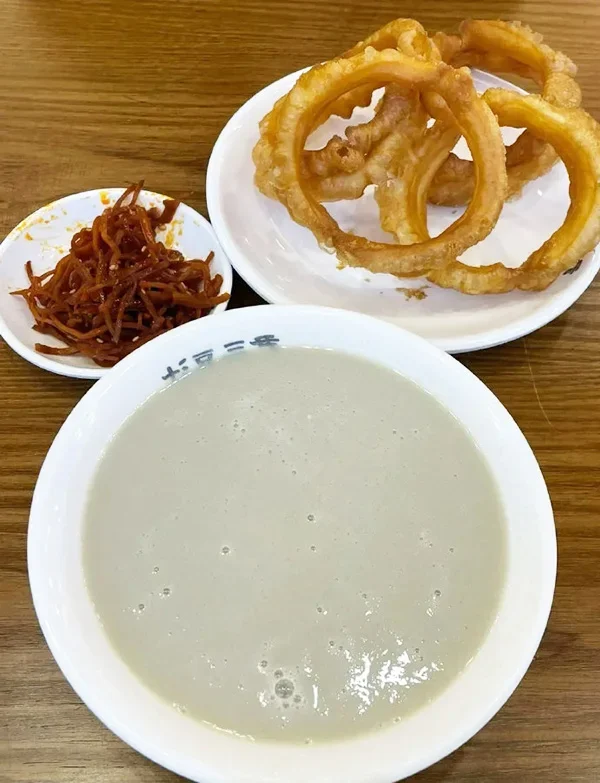
For the adventurous:Douzhi (豆汁)is a fermented mung bean milk that looks like grey water and smells faintly sour. It's an acquired taste that even many Chinese people from other provinces dislike. Order a small bowl if you're curious, but don't say I didn't warn you!
Modern Dining: Sanlitun and Guijie (Ghost Street)
The street that never sleeps. Lined with red lanterns, it's the epicenter of Mala Crayfish (麻辣小龙虾). Loud, messy, spicy, and open until 4:00 AM.
The expat and young professional playground. Find everything from Michelin-starred European cuisine to trendy rooftop bars.
Modern Beijing & Shopping
Tech & Design: 798 Art District
A repurposed factory complex from the 1950s,798 is a sprawling open-air museum of contemporary art. Bauhaus-style industrial architecture houses avant-garde galleries, graffiti murals, and sculpture gardens.
Most galleries are open.Entry is free to the district. Bauhaus-style industrial architecture houses avant-garde galleries and murals.
Keep in mind that most major galleries and indoor exhibitions are closed on Mondays.
PRO TIP: Creative Soul
It's the perfect place to see Beijing's creative, post-industrial soul. Don't miss the sculpture gardens and graffiti murals hidden between the factory buildings.
Shopping: From Pearls to Luxury
- Offer 20–30% of the initial asking price and settle around 40–50% at Pearl Market or Silk Street.
- The quality of "silk" and "pearls" varies wildly. Buy for fun, not as a serious investment.
SKP (Shin Kong Place):This is where you go for the real deal. It's one of the highest-grossing luxury department stores in the world. Even if you can't afford the Hermès bags, the food court and supermarket in the basement are a world-class culinary destination.
Neighborhood Guide: Where to Stay
Your choice of neighborhood dictates your daily vibe.
Stay near Wangfujing or Dengshikou . You are within walking distance of the Forbidden City and the National Art Museum. This is the most convenient base for sightseeing, filled with mid-range hotels and classic hutong courtyard inns.
BEST FOR: First-time visitors and culture enthusiasts
Perfect for those who want to be in the historic heart of Beijing.
Home to the CBD ,Sanlitun , and the Embassy District . This is where you'll find luxury international hotels (Four Seasons, China World), high-end nightlife, and the best brunch spots in the city.
BEST FOR: Business travelers, foodies, and nightlife lovers
Ideal if you prefer a modern, international, and high-energy environment.
Centered around Peking University and Tsinghua University , this area is quieter and greener. It's close to the Summer Palace and Old Summer Palace (Yuanmingyuan).
Budget-conscious travelers and those who appreciate a student-town energy.
Hotels here tend to be more affordable, but it's a 30–40 minute subway ride to the central attractions.
Beijing in 2026 is a city of seamless contrasts. Come with an open mind, a fully charged power bank, and an appetite for both ancient stone and modern steel. Safe travels, and enjoy every moment of the Middle Kingdom's magnificent capital.
FINAL ADVICE
Ensure your phone is ready—in 2026, your mobile device is truly your gateway to exploring Beijing's vast wonders.