
The Evolving Landscape of Chinese Hospitality
Over the past two decades, China's accommodation industry has undergone a remarkable transformation. What was once a patchwork of state-run guesthouses and a handful of international hotels has evolved into a highly competitive, tech-driven ecosystem offering everything from ultra-luxury skyscraper suites to intimate courtyard stays and budget-friendly hostels.
PRO TIP: GLOBAL STANDARDS
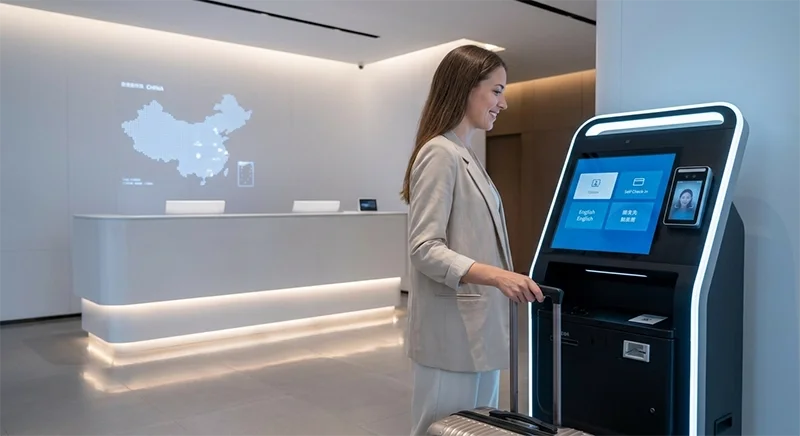
In major cities like Beijing, Shanghai, and Guangzhou, international hotel brands operate at the same level of quality you would find in New York, London, or Tokyo. Cleanliness, service professionalism, and safety standards are generally reliable.
Meanwhile, Chinese hospitality groups have leveled up significantly, offering efficient, affordable, and increasingly stylish options for travelers who prioritize value.
That said, international visitors may still encounter a few unique challenges. Here is what you need to keep in mind:
Q: What are the main hurdles for international guests?
- Language barriers in non-international branded hotels.
- Payment systems that differ from Western norms (reliance on mobile apps).
- Strict Legal requirements around guest registration.
This guide is designed to remove that friction. Whether you're planning a luxury getaway, a cultural deep dive, or a backpacking adventure, understanding how accommodation works in China will make your trip smoother—and far more enjoyable.
Understanding the "Foreigner-Friendly" Concept (Latest Policy Updates)
For years, a common hurdle for travelers was the "Foreign-Friendly License" (Wai Bin). However, following significant policy updates in 2024, the landscape has changed. Here is what you need to know to avoid being turned away at the front desk.
The Policy: No More "Licenses" Required
Legally speaking, the concept of a specific "license" to host foreigners is a thing of the past.
PRO TIP: LEGAL STANDING
Under the Exit and Entry Administration Law of the PRC , any legitimate hotel can host international guests. In 2024, authorities explicitly directed the industry not to use "lack of qualifications" as an excuse to refuse guests.
- From Permits to Registration:The core requirement is simply that the hotel must verify your passport and report your registration to the local Public Security Bureau (PSB) within 24 hours.
- National Mandate:The goal is to make travel across China as seamless as possible.
The Reality: Why Some Hotels Still Say "No"
Despite the law, you will still see hotels labeled as "Mainland Chinese Guests Only" (内宾 - Nei Bin)on booking platforms. This is usually not about discrimination, but rather practical hurdles:
Q: Why do some hotels still label themselves as "Mainland Only"?
- Registration Systems:Some smaller hotels may not be familiar with the software interface for international passports.
- Experience Gaps:Staff may be nervous about the English registration process or specific visa types.
How to Ensure a Smooth Check-in
While you technically have the law on your side, your goal is a stress-free bed for the night. To guarantee a smooth stay:
- Trust the "Accepts Foreigners"tag on platforms like Trip.com.
- Choose established chains like All Seasons (Ji Hotel)or Vienna Hotels .
- Message mid-to-small hotels via app chat to confirm registration readiness.
- Assume every budget hotel in non-tourist areas is tech-ready for passports.
- Forget to carry your physical passport for the mandatory PSB registration.
What to Do If a Hotel Refuses You
If you are told "we don't accept foreigners" don't panic.
Calmly mention that current national policy encourages all hotels to host international guests.
Call Trip.com support immediately; they can talk to the manager or local authorities to resolve technical misunderstandings.
If the hotel still refuses, the platform will typically help you find a nearby alternative and handle the refund.
Top Booking Platforms for International Travelers

Trip.com : The Gold Standard
Trip.com is widely considered the most reliable option for international travelers.
PRO TIP: WHY CHOOSE TRIP.COM
It clearly labels foreigner-friendly hotels and many listings include real photos and verified guest reviews , which tend to be more reliable than generic promotional images.
Key advantages:
- Full English interface
- 24/7 English customer support
- Accepts international credit cards
- Clearly labels foreigner-friendly hotels
Agoda &Booking.com : Familiar but Selective
These global platforms are still useful, especially in major cities.
- International hotel brands
- Large urban centers
- Smaller inventory in secondary cities
- Occasionally outdated availability
- Less clarity on foreigner acceptance
Meituan & Fliggy: Local Deals for Advanced Users
Chinese platforms often offer better prices and broader inventory.
Q: Should I use Meituan or Fliggy?
These are best suited for experienced travelers . However, consider the following hurdles:
- Interfaces are primarily in Chinese
- Payments may require mobile wallets
- Customer support is rarely English-friendly
Types of Accommodation in China
International Luxury Brands
These include global names like Marriott, Hilton, and Hyatt.
Expect:
- English-speaking staff
- Western-style comfort
- Consistent service quality
Domestic Chains: The Efficiency Choice
China's domestic hotel groups are where value meets efficiency.
Well-known examples include:
- Huazhu Group (All Seasons / Ji Hotel)
- Jinjiang Group (Vienna Hotels, Lavande)
PRO TIP: AGE MATTERS
Look for newer properties (opened within the last 3–5 years). In China, newer hotels often offer noticeably better facilities—even within the same brand.
What you get:
- Clean, modern rooms
- Competitive pricing
- Fast, standardized service
Boutique Courtyards (Minshus)
Boutique stays offer a more immersive cultural experience.

Highlights:
- Traditional design
- Unique atmosphere
- Personalized service
Youth Hostels
Modern hostels are clean, social, and increasingly international-friendly.
- Solo travelers
- Backpackers
- Budget-conscious visitors
- Shared facilities in budget dorms
- Varying levels of English proficiency
Essential Logistics & Legal Requirements
The Check-in Process
At check-in, you must present your passport.
The hotel will scan or photocopy your passport and visa page.
Staff will upload your information to the local Public Security Bureau (PSB) system within 24 hours.
PRO TIP: STANDARD PROCEDURE
Important reassurance:The hotel staff may take a photo of your passport and visa page; this is standard procedure in China and not a cause for concern.
Early Check-in & Late Check-out
- Book the previous night if arriving very early in the morning.
- Ask at the front desk for a complimentary late check-out (sometimes granted for rewards members).
- Assume early check-in is guaranteed; it depends on room availability.
- Expect late check-out without potential additional fees.
Deposits & Payments
Many hotels require a refundable deposit.
Q: How do I pay the deposit and room fee?
Common methods include Alipay / WeChat Pay ,International Credit cards , or Cash .
👉 For a step-by-step guide, see our China Payment 101 Guide .
Amenities: What to Expect
PRO TIP: COMFORT NOTES
Beds may be firmer than Western standards, and smoking rooms still exist in some older hotels. Always request a "Non-Smoking Room" during booking.
- Toiletries (brushes, combs, soap) are usually provided.
- Wi-Fi is standard but may have restrictions due to the "Great Firewall."
Some international hotels may offer better global connectivity—but don't rely on it entirely. 👉 For staying connected, see our guide:China Internet & VPN Guide .
Strategic Location Picking in Major Cities

How to Choose the Right Area
For first-time visitors:
- Stay within a 5-minute walk of a metro station.
- Prioritize central districts.
- Avoid locations requiring multiple transfers to reach major sights.
A Critical Navigation Tip
PRO TIP: MAPPING IN CHINA
Google Maps does not work reliably in mainland China.Apple Maps works great without a VPN, as it uses data from local provider AutoNavi.
Better alternatives:
- Apple Maps
- Amap (Gaode Maps)
Q: Which navigation app is easiest for English speakers?
Apple Maps is the strongest choice for international travelers as it provides a clean English interface while using highly accurate local Chinese map data .
Money-Saving Tips & Seasonal Trends
Avoid Golden Weeks
PRO TIP: HOLIDAY SURGES
During major holidays (like National Day or Chinese New Year), prices can double or triple. Always check the Chinese holiday calendar before locking in your dates.
Weekend Advantage
Business hotels in financial districts are often cheaper on weekends.
Q: Where can I find luxury for less on weekends?
Focus on Financial Districts (like Lujiazui in Shanghai or Futian in Shenzhen). Since business travelers head home, these high-end hotels often drop their rates significantly on Friday and Saturday nights.
Book Flexible Rates
Prices fluctuate frequently.
Booking flexible rates allows you to:
- Rebook if you see a lower price later.
- Adjust plans without penalties.
- Commit to non-refundable rates early unless the discount is substantial (over 20-30%).
Loyalty Programs
International hotel programs work well in China and can provide meaningful perks.
If you have status with Marriott, Hilton, or IHG, you can often enjoy:
- Executive lounge access
- Complimentary breakfast
- Room upgrades
Frequently Asked Questions
Q: Can foreigners stay in Airbnb in China?
Yes, but it's more complex. You may need to register your stay manually with local authorities (PSB) since private hosts don't always have the automatic registration system used by hotels.
Q: Do hotels in China speak English?
In major cities and international hotels,yes . In smaller cities or budget local chains, English proficiency may be limited. Having a translation app ready is a good backup.
Q: Is it safe to stay in hotels in China?
Yes. Hotels are generally very safe , with standard security measures, surveillance, and staff presence in place.
Q: Can I use my credit card everywhere?
Not always. Use this general rule:
- Mid-to-high-end hotels:Usually yes (Visa/Mastercard/Amex).
- Budget hotels:Sometimes no; they may only accept domestic cards or mobile pay.
👉 Setting up mobile payments is strongly recommended. See:China Payment Guide .
PRO TIP: PREPARATION
Always have your hotel's Chinese name and address saved as a screenshot on your phone. This is invaluable for taxi drivers or if you need to ask for directions when data is spotty.
Checklist
China's accommodation system is modern, diverse, and increasingly accessible to international travelers. With the right preparation, you can avoid common pitfalls and enjoy a seamless stay.
Before You Book: Final Checklist
- Confirm the hotel accepts foreign guests .
- Use a reliable platform (Trip.com recommended).
- Check recent reviews (within the last 6 months).
- Choose a convenient location near a metro station .
- Understand and set up your payment methods (Alipay/WeChat).
- Prepare for internet limitations (VPN/Roaming).
- Double-check the calendar to avoid peak travel periods .
PRO TIP: READY TO GO
Once these steps are cleared, you're all set to enjoy the incredible hospitality and world-class facilities that China's modern hotel industry has to offer.