
The City of Infinite Layers
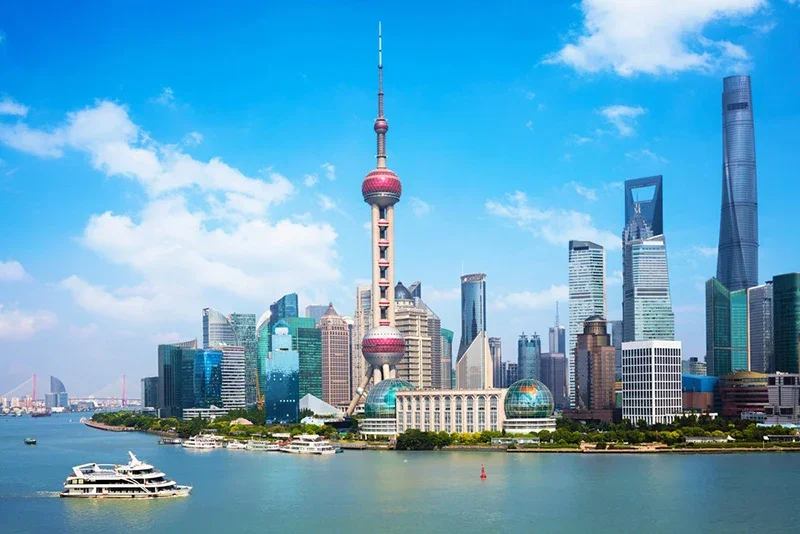
Shanghai is not merely a city—it is a living, breathing dialogue between two eras, where Art Deco grandeur stands shoulder-to-shoulder with cyberpunk skyscrapers, and ancient alleyways (lilong) wind beneath the glow of neon-lit megatowers. To walk its streets is to step through a time machine: one moment, you're admiring the ornate ironwork of 1920s colonial mansions; the next, you're staring up at the Shanghai Tower, a twisting 632-meter icon of 21st-century innovation. This tension—old and new, East and West, tradition and futurism—defines Shanghai's irreplicable vibe.
PRO TIP: THE DUALITY OF SHANGHAI
The Huangpu River splits the city into two distinct worlds. Understanding the contrast between Puxi and Pudong is key to capturing the city's essence.
West of the river, Puxi is Shanghai's soul—a labyrinth of tree-lined French Concession streets, Ming-dynasty gardens, and bustling local neighborhoods where every corner holds a piece of the city's 700-year history.
East of the river, this skyline of superlatives features the Shanghai Tower and the "Bottle Opener." Once farmland 30 years ago, it is now a breathtaking neon hub of global finance and tech.
Shanghai's magic lies in how these two worlds coexist, not clash. A 10-minute ferry ride can take you from a 400-year-old teahouse in Yu Garden to a rooftop bar atop a 100-story skyscraper. A morning stroll through the French Concession's plane-tree shaded lanes can lead to an afternoon exploring cutting-edge digital art museums in Pudong.
It's a city where you can savor 100-year-old soup dumplings for lunch and Michelin-starred international cuisine for dinner, where traditional jazz clubs sit steps from techno nightclubs, and where ancient rituals thrive alongside global trends. For travelers, Shanghai is not just a destination—it's an experience of infinite layers, waiting to be uncovered.
Practical Planning
Best Time to Visit
Shanghai's climate is humid subtropical, with four distinct seasons, but May and October stand out as the "crystal clear" months—undoubtedly the best times to visit in 2026. These months offer mild, comfortable temperatures 17–28°C , low rainfall, and crisp, clear skies that make sightseeing and outdoor exploration a joy.
- Visit in May:Experience blooming cherry blossoms at Gucun Park.
- Visit in October:Enjoy golden foliage and the famous local hairy crab season.
- Avoid June–July:The "Plum Rain" season brings 90% humidity and constant drizzle.
- Avoid August:Intense heat and potential typhoons can disrupt travel.
Visa-Free Transit (2026 Update)
One of the most convenient ways to visit Shanghai in 2026 is via the 240-hour (10-day) Visa-Free Transit (TWOV) policy . This allows citizens of 55 eligible countries (including the UK, US, Canada, and Australia) to enter without a visa.For more related information visit 240-Hour Visa-Free Transit (10-Day Stay).
PRO TIP: VFT ELIGIBILITY
To qualify, you must have confirmed onward travel tickets to a third country or region—a simple return ticket to your home country does not count.
Q: Where can I travel under the 240-hour VFT?
During your stay, you can freely travel across Shanghai, Jiangsu, and Zhejiang provinces , which includes popular destinations like Suzhou, Hangzhou, and Nanjing.
Q: When does the 10-day countdown start?
The period starts at 00:00 the day after arrival . If you land on May 1st, your 10 days begin at midnight on May 2nd.
Digital Prep: Cashless & Transit Essentials
Shanghai is 99% cashless in 2026. While major hotels accept credit cards,Alipay or WeChat Pay are mandatory for the full local experience. Setting up these apps before arrival is non-negotiable.To simplify your trip, you can check out our complete guide to China payments for more details.
For the Metro, download the Shanghai Metro DADUHUI (Metro Daduhui)app. It's the official platform for buying mobile tickets and checking real-time schedules in English. Note that Google Maps is restricted, so switching to Amap or Baidu Maps is essential for navigating the city.
Getting There: The Speed of Shanghai
Airports: Pudong (PVG) vs. Hongqiao (SHA)
Shanghai has two major international airports. Choose wisely based on your travel needs in 2026:
Shanghai's primary international gateway, located 45 km east of the city center.
- Best for:Long-haul international travelers from Europe, US, and Australia.
- Transport:45–60 mins by taxi ¥150–200 or 7 mins via Maglev.
The domestic and regional hub, located only 15 km west of the city center.
- Best for:Domestic flights and short-haul trips (HK, Japan, Korea).
- Pro:Only 20 minutes to Puxi/Jing'an by metro or taxi.
The Maglev Experience: World's Fastest Commercial Train
No trip to Shanghai is complete without riding the Shanghai Maglev Train —the world's fastest commercial train connecting Pudong Airport to Longyang Road Station.
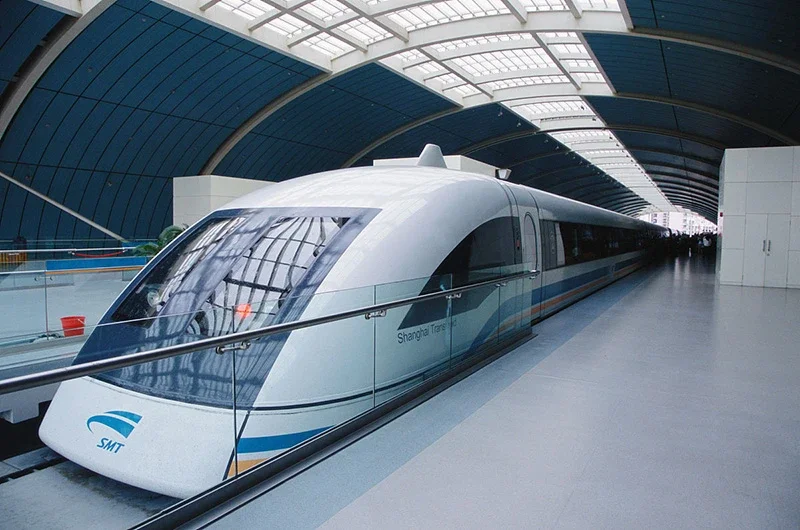
Reaches top speed in minutes, outrunning cars on the parallel highway.
Covers 30 km non-stop—the most efficient way to enter the city from PVG.
PRO TIP: SAVE ON TICKETS
Show your same-day flight ticket at the Maglev counter to get a 20% discount on a one-way economy fare, bringing the price down to ¥40 .
Railway Hubs: Shanghai Hongqiao (HSR Gateway)
Shanghai Hongqiao Railway Station is China's largest high-speed rail (HSR) hub. In 2026, it serves as your gateway to explore the surrounding regions with unmatched speed.
Q: How long does it take to reach nearby cities?
From Hongqiao, you can reach Suzhou in 30 minutes ,Hangzhou in 1 hour , and even Beijing in just 4.5 hours.
Q: How do I book tickets as a foreigner?
Use the 12306 official app (English available) or Trip.com . Remember to bring your physical passport for boarding, it acts as your electronic ticket.
The Iconic Waterfronts
The Bund: A Walking Tour of Colonial Architecture
The Bund (Waitan)is Shanghai's most iconic landmark—a 1.5-kilometer waterfront promenade along the Huangpu River, lined with 52 historic colonial buildings. Known as the "Museum of International Architecture," it's a stunning showcase of Art Deco, Gothic Revival, and Neoclassical styles.
PRO TIP: TIMING YOUR VISIT
Visit between 7–10 PM to see the colonial facades bathed in warm white light and the Pudong skyline's neon show.
Pudong Skyline: Visiting the "Big Three"
Across the river stands the Lujiazui Financial District, home to Shanghai's "Big Three" skyscrapers. Visiting at least one is a must for any traveler in 2026.
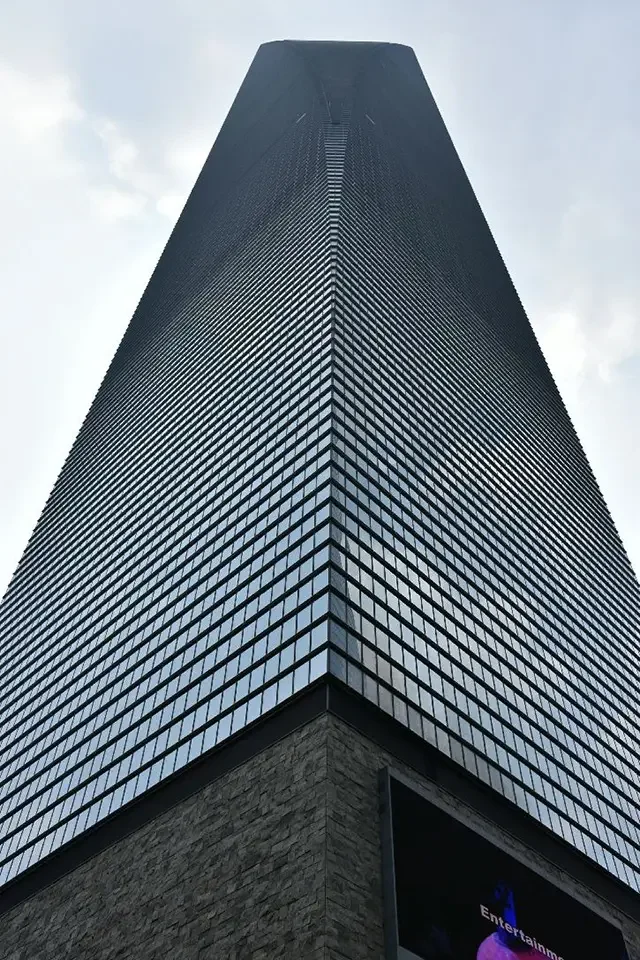
World's 2nd tallest building. Observation Deck: 118th floor.¥180
The "Bottle Opener." Features the world's highest outdoor skywalk.¥180
A blend of Gothic and Chinese pagoda design. Great value and fewer crowds.¥120
River Crossings: 2-RMB Ferry vs. Sightseeing Tunnel
Crossing the Huangpu River is an essential experience, but your choice will drastically change your perspective (and your budget).
- Price:Only ¥2 — the best value in the city.
- Experience:Authentic local vibe with incredible open-air river views.
- Route:Jinling Road to Dongchang Road.
- Price:¥50 — 25x more expensive.
- Experience:Cheesy neon lights in an underground tunnel.
- Verdict:No views of the actual river; a total tourist trap.
Q: How frequently do the ferries run?
The ferry runs every 10–15 minutes from 6:00 AM to 11:00 PM. It's the most scenic way to commute between Puxi and Pudong.
Old Shanghai: Heritage & Atmosphere
The Former French Concession (FFC): Plane Tree-Lined Streets & Lilong
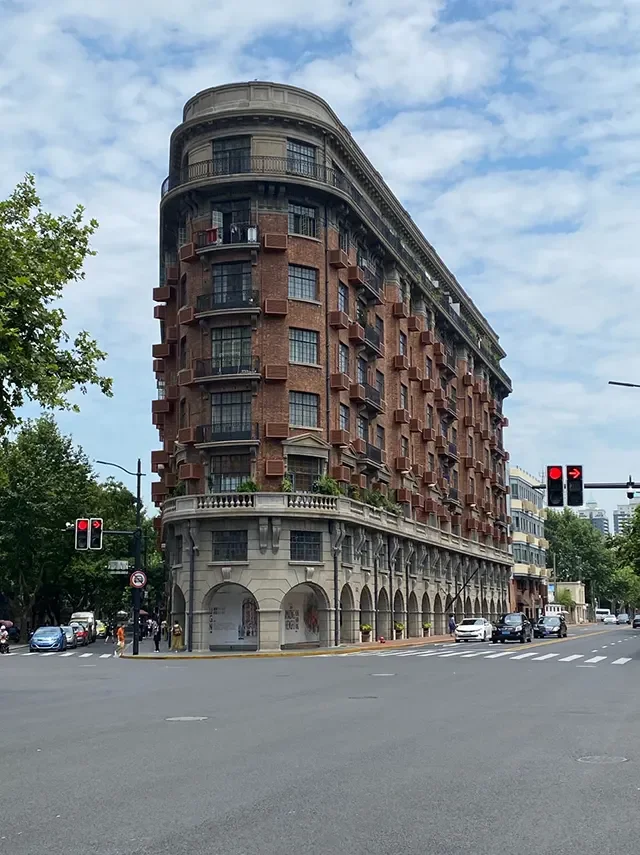
The Former French Concession (FFC) is Shanghai's most charming neighborhood—an enclave of plane tree-lined streets, Art Deco villas, and hidden lilong (alleyway) communities. Once a French colonial settlement, it retains a distinctly European vibe and a relaxed pace of life.
PRO TIP: SLOW EXPLORATION
Wander the FFC on foot to discover independent designer boutiques on Anfu Road and the creative studios in Tianzifang. Wear comfortable shoes as you'll easily walk several miles.
Yu Garden & City God Temple: Ming-Dynasty Aesthetics
Yu Garden is a 400-year-old Ming-dynasty masterpiece and a stunning example of Jiangnan-style garden design. Adjacent is the City God Temple, a historic hub for traditional culture and local snacks.
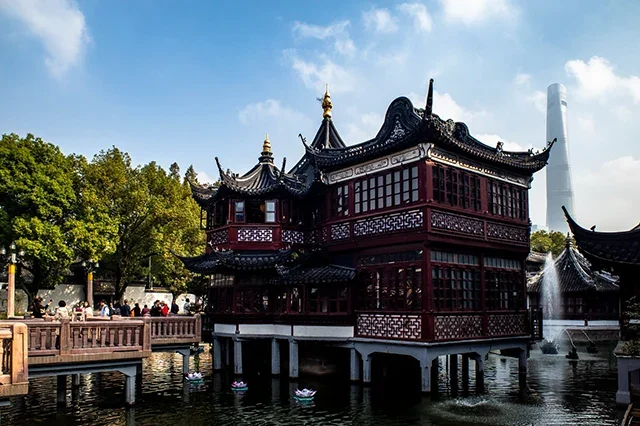
- Timing:Visit between 8–10 AM to avoid the heaviest crowds.
- Photography:Capture the Nine-Turn Bridge and its reflection in the lotus pond.
- Entry:Buy tickets for Yu Garden ¥40 .
- Snacks:Skip the overpriced tourist stalls in the main market.
- Alternative:Head to Nanshi Snack Street for authentic, affordable soup dumplings.
Zhujiajiao Water Town: The "Venice of Shanghai"
Often called the "Venice of Shanghai,"Zhujiajiao is a 700-year-old water town famous for its winding canals and 36 ancient stone bridges. In 2026, it remains the premier day-trip destination from the city center.
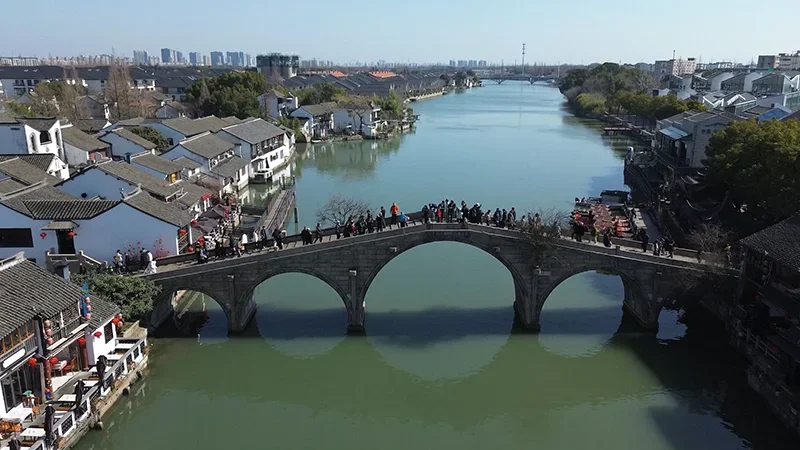
Take the metro to Zhujiajiao Station, followed by a short bus ride. Total cost:¥8
Board a traditional wooden boat to see the Ming-dynasty Fangsheng Bridge from the water.¥50
Q: Is it better to visit Zhujiajiao on weekends?
Absolutely not . Weekends are extremely crowded with local tourists. For a serene experience, plan your visit for a weekday and spend about 4–6 hours exploring.
Culinary Capital: From Street to Michelin
The Dumpling King: Xiao Long Bao & Sheng Jian Bao
No visit to Shanghai is complete without trying its iconic dumplings. These two dishes are the crown jewels of the city's street food scene, from humble corner stalls to Michelin-recommended establishments.
Q: How do I eat Xiao Long Bao without burning myself?
The golden rule:never bite it directly . Place the dumpling on a spoon, nibble a tiny hole in the dough, slurp the piping-hot savory soup first, and then enjoy the rest.
Delicate, paper-thin wrappers with juicy pork or crab filling.
- Nanxiang Mantou Dian:The historic original since 1871.
- Jia Jia Tang Bao:Local favorite with Bib Gourmand status.
Fluffy dough with a crispy, golden bottom.
- Xiao Yang:Famous for soup-filled buns.¥15 for 4
- Da Hu Chun:Traditional "no-soup" style with a sweet pork filling.
Benbang Cuisine: Sweet & Savory Local Flavors
Benbang Cuisine is the soul of Shanghai's food scene—characterized by rich sauces, slow braising, and a balance of sweet and savory flavors that are never heavy.
MUST-ORDER DISHES
Don't miss the Red-Braised Pork (Hong Shao Rou)—the king of Benbang dishes—and Scallion Oil Noodles (Cong You Mian)for a simple yet authentic taste.
International Dining: China's Most Diverse Food Scene
In 2026, Shanghai remains a global culinary melting pot with over 150 Michelin-recommended restaurants covering 35 different cuisines.
A prestigious three-star experience focusing on seasonal, creative techniques.
Two-star dining that brings the flavors of Lombardy to the heart of Shanghai.
A must-visit for its unique blend of regional Chinese spices and global presentation.
PRO TIP: DINING HUB
For the best international vibe, spend an evening at Wukang Road or Anfu Road . These streets are packed with farm-to-table bistros and craft coffee shops.
Modern Culture & Nightlife
Museums: Shanghai Museum & TeamLab Borderless
Shanghai is a cultural powerhouse where ancient art meets digital innovation. In 2026, the new East Wing of the Shanghai Museum and the immersive TeamLab Borderless are the city's top cultural draws.
A landmark exhibition featuring Shakespeare's portrait and J.K. Rowling's original manuscripts.Free Admission .
A 10,000㎡ digital art paradise. Ideal for tech enthusiasts and photography.¥220
Retail Therapy: Nanjing Road vs. Huaihai Road
Whether you are looking for global flagships or independent designer boutiques, Shanghai's shopping streets cater to every style.
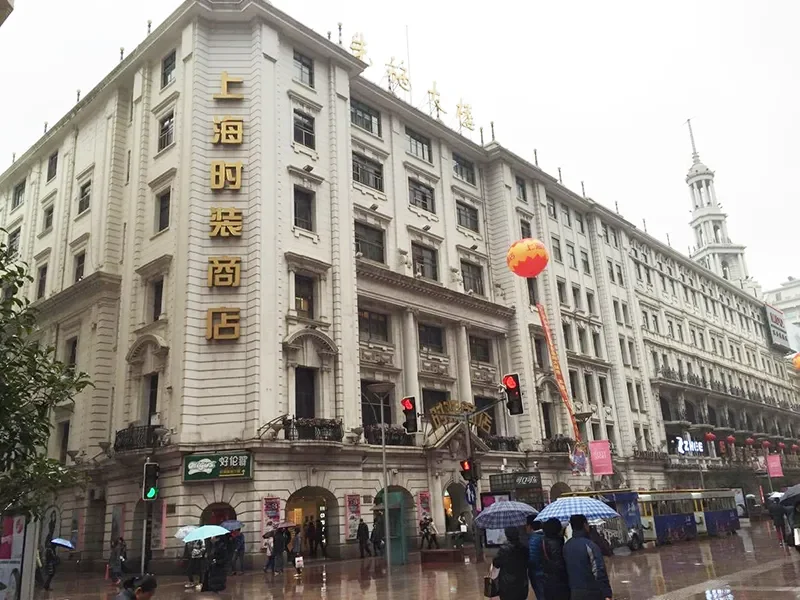
The bustling heart of high-street shopping.
- Vibe:Touristy and high-energy.
- Best for:Global brands (Zara, Adidas) and souvenir hunting.
The trend-setting boulevard in the FFC.
- Vibe:Upscale, chic, and local.
- Best for:Independent designers and luxury vintage finds.
Nightlife: Jazz Bars vs. Rooftop Clubs
Shanghai's nightlife balances old-world glamour with cutting-edge party scenes. Depending on your mood, you can choose between intimate melodies or sky-high views.
Q: Where can I find authentic old Shanghai Jazz?
Head to the Peace Hotel Jazz Bar on the Bund or JZ Club in the French Concession. These spots offer a sophisticated, nostalgic atmosphere with world-class performers.
Q: Which rooftop bar has the highest view?
Visit Flair Rooftop in Pudong. Located on the 58th floor, it offers a 270° view of the Huangpu River and the entire Bund skyline.
PRO TIP: NIGHTLIFE TIMING
For rooftop venues,arrive before 7 PM to catch the transition from sunset to the synchronized neon light show across the skyline.
Day Trips from Shanghai (Cluster Hub)
Shanghai is the ultimate day trip hub, with high-speed rail (HSR) connecting it to some of China's most iconic destinations in 30 minutes to 2 hours.
The "Venice of the East." Famous for UNESCO gardens like the Humble Administrator's Garden and its ancient canal-side life.
A serene freshwater lake surrounded by tea plantations and temples. Don't miss a tasting of fresh Longjing Tea on the hills.
Located on Metro Line 11. In 2026, it celebrates its 10th Anniversary with special events and new tech-advanced rides.
Suzhou: Classical Gardens
Hangzhou: West Lake
Hangzhou is perfect for a relaxing escape. West Lake features 10 famous scenic spots, including the legendary Broken Bridge and the iconic Three Pools Mirroring the Moon .
8.3 Shanghai Disney Resort
10TH ANNIVERSARY CELEBRATION
From March 20, 2026, the park features exclusive parades and limited-edition merchandise. Download the official app to manage ride wait times and mobile food orders.
- Zootopia: Hot Pursuit — The newest immersive chase adventure.
- TRON Lightcycle Power Run — A high-speed futuristic coaster.
- Soaring Over the Horizon — A breathtaking flight over world landmarks.
- Late Arrival:Don't arrive after 9:00 AM. Be at the gates by 7:30 AM to maximize your day.
- Physical Tickets:No need for paper; your ID/Passport is your digital entry.
Q: How do I book High-Speed Rail (HSR) for these trips?
Book via the 12306 app or Trip.com 3-7 days in advance. Tickets to Suzhou and Hangzhou sell out quickly, especially for weekend travel.
Neighborhood Guide: Where to Sleep
Choosing the right neighborhood in Shanghai is key to a great trip. In 2026, these three neighborhoods stand out for foreign travelers based on their unique vibes and proximity to attractions.
The Bund/East Nanjing Road: For First-Timers
This is the heart of Puxi, offering a mix of luxury icons like the Fairmont Peace Hotel and mid-range options. It's the best spot for those who want to be steps away from the river.
- Unbeatable views and central location.
- Walking distance to top attractions.
- Great dining and 24/7 energy.
- Can be very crowded and noisy.
- Prices are generally higher here.
Xuhui/Jing'an: For the "Live Like a Local" Vibe
Located in the Former French Concession, this area is defined by tree-lined streets and Art Deco villas. It's perfect for foodies and culture lovers who prefer a boutique experience at hotels like The Middle House .
- Charming, authentic local atmosphere.
- Quieter lanes and trendy independent cafes.
- About 20 minutes by metro to the Bund.
Pudong/Lujiazui: For Luxury & Business
The financial heart of the city, dominated by sleek glass skyscrapers and five-star giants like the Ritz-Carlton and Park Hyatt . This is where you stay for modern high-end comfort.
PRO TIP: LUXURY FOR LESS
Pudong hotels often offer better weekend rates than Puxi hotels, as the area is quieter when business travelers head home.
Q: Which neighborhood is best for my first trip?
Stay at The Bund/East Nanjing Road . You'll be in the center of everything, making navigation easy while you get used to the city's scale.
Q: I want a quiet, boutique experience. Where should I go?
Choose Xuhui or Jing'an . These areas offer hidden guesthouses and a more relaxed, residential feel under the plane trees.