
Introduction
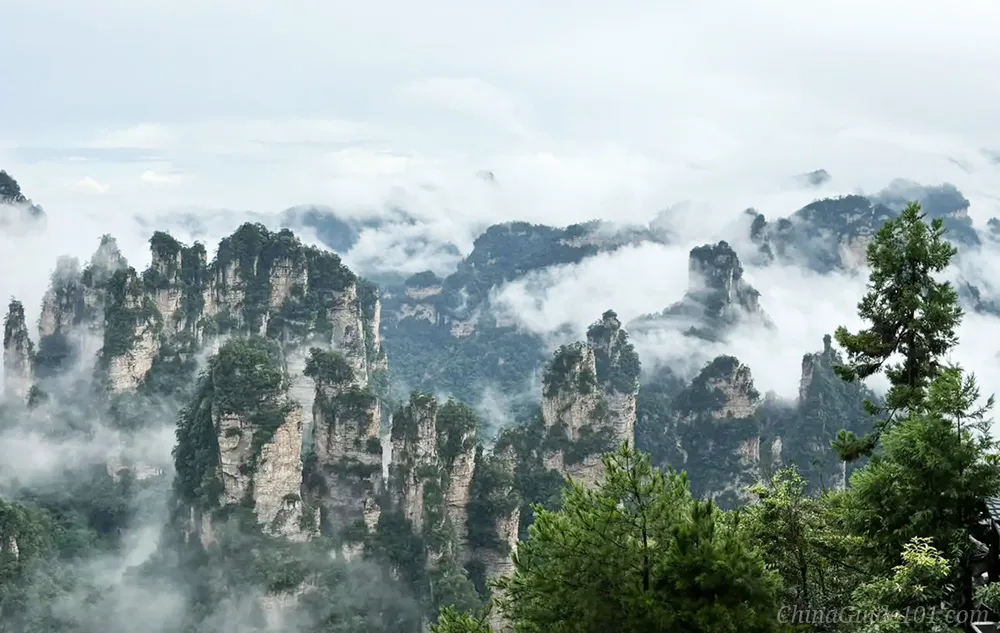
Picture sandstone pillars cloaked in mist, rising like ancient skyscrapers from a lush green valley. The forest below is so dense it swallows sound, and the peaks seem to float in silence. If that image stirs something in you, you're already halfway to understanding why Zhangjiajie National Forest Park belongs on your China itinerary.
While many visitors first hear about Zhangjiajie because of Avatar , the real magic lies in its extraordinary quartz-sandstone pillars, ancient forests, and dramatic mountain scenery. The movie connection is a fun bonus — but it's the landscape itself that will stay with you long after you leave.
Zhangjiajie is part of the larger Wulingyuan Scenic Area , a UNESCO World Heritage Site that protects one of the most spectacular sandstone formations on Earth. As of 2026, it remains one of China's most rewarding national parks, whether you're a hiker, a photographer, or a traveler who simply wants to stand on a cliff edge and feel very, very small. This guide will help you plan your visit with clear, honest advice — no fluff, just the practical details you actually need.
Q: Is Zhangjiajie worth visiting?
Absolutely. The biggest question isn't whether to go; it's how to navigate the park efficiently so you don't waste time in queues or miss the best viewpoints. Let's get into it.
Before You Go — Quick Facts
If you're short on time, here's the snapshot. These are the numbers and answers most travelers need before booking anything.
| Item | Information |
|---|---|
| Recommended Time | 2 full days (1 day possible, 3 days ideal) |
| Best Season | Autumn (late Sep–early Nov, avoid Oct 1–7) |
| Nearest Airport | Zhangjiajie Hehua International (DYG) |
| Nearest High-Speed Rail | Zhangjiajie West Station |
| Distance to Park | ~40 km from airport / station to Wulingyuan |
| Park Entrance Fee | ¥248 (4-day pass, ~US$34 ) |
| Reservation Required? | No for most days —yes during Chinese holidays |
| Payment | Alipay / WeChat Pay preferred —cash as backup |
| Difficulty | Easy to moderate (paved paths + lifts available) |
| Family Friendly | Yes — stroller-friendly in valleys, carrier recommended on peaks |
| Senior Friendly | Yes — cable cars and elevator minimize stair-climbing |
| Best Known For | Quartz-sandstone pillars, mist-shrouded peaks, Avatar inspiration |
| Avoid |
|
| Bottom Line | PRO TIP: BOTTOM LINEWorth the trip if you love dramatic landscapes —start early and stay at least two days |
What Makes Zhangjiajie So Special?
You'll see many lists online that lead with "Avatar Mountains" and "world's tallest outdoor elevator." Those are eye-catching, but they don't capture why the park genuinely deserves your time. Here's how most travelers rank the real reasons after visiting:
① The scenery itself is one of a kind
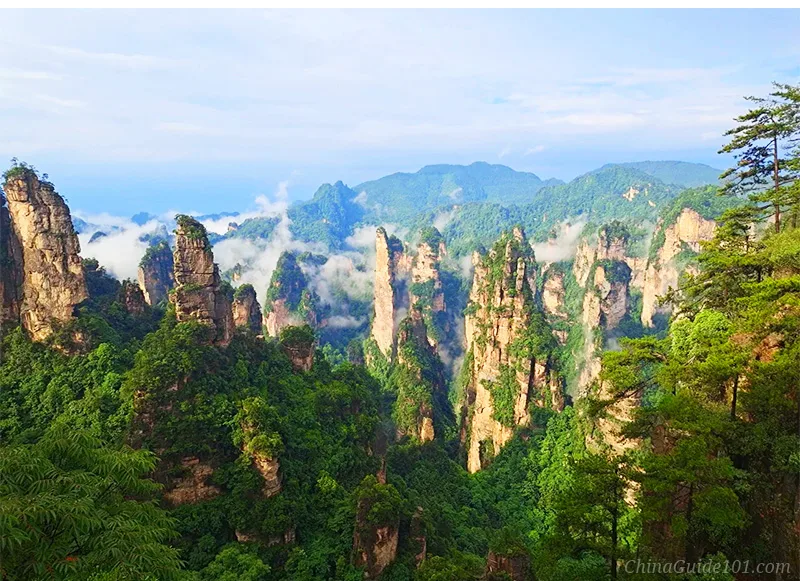
Over 3,000 quartz-sandstone pillars and 800 ravines fill the park, carved by erosion over millions of years. Nowhere else on Earth has this density of towering rock columns draped in vegetation. When the morning mist rolls in, the peaks appear to detach from the earth entirely. One mistake many people make is assuming the photos are exaggerated — in practice, they often don't do it justice.
② You can design an itinerary that fits your fitness level
This isn't a park that demands extreme athleticism. If you want hardcore multi-day hiking, you can do that. If you prefer gentle paved walks combined with elevators and cable cars, that's possible too. Plenty of travelers in their seventies and families with young children enjoy the exact same viewpoints as serious trekkers. The infrastructure makes the upper mountain areas surprisingly accessible.
③ Getting there and moving around is easier than most people expect
Zhangjiajie now has a high-speed rail station and an airport with growing international connections. Once you're in the Wulingyuan district, free shuttle buses inside the park connect all major scenic areas. Many first-time visitors are pleasantly surprised by how straightforward the logistics are once they arrive.
④ Yes, the Avatar connection is fun — but it's just a cherry on top
One of the pillars, formerly called Southern Sky Column, inspired the floating Hallelujah Mountains in James Cameron's film. It's now officially referred to as "Avatar Hallelujah Mountain" on park signage. If that excites you, great. But even if you've never seen the movie, the view from Yuanjiajie will make your jaw drop. That's the real reason to come.
How Much Do Tickets Cost in 2026? (And Opening Hours)
Ticket policies update from time to time, so here's the picture as of mid-2026. It's always wise to double-check on the official Zhangjiajie tourism mini-program or a trusted platform before your trip, but these figures should be accurate.
Park Entrance Ticket
- Price:¥248 (around US$34 ).
- Validity:Four consecutive days from first use. On day one, you'll register your face at the gate. After that, just scan your face to re-enter — no paper ticket needed.
- What's included:Unlimited rides on the four internal sightseeing bus routes. Access to Yuanjiajie, Tianzi Mountain, Golden Whip Stream, Yellow Stone Village, Ten-mile Gallery, and the shuttle hubs.
- What you'll pay extra for:
- Bailong Elevator:¥72 one way
- Tianzi Mountain Cable Car:¥72 one way
- Yellow Stone Village Cable Car:¥65 single,¥118 round trip
- Yangjiajie Cable Car:¥76 one way
- Ten-mile Gallery Mini Train:¥38 one way
PRO TIP: TICKETS & DISCOUNTS
Seniors over 60, students, and children may get discounts if they present a valid passport and supporting documents. Some discounts are available at the counter even for foreign visitors, but online platforms sometimes require a Chinese ID. If you hit a wall with digital booking, just buy at the ticket window — it works fine outside of major holidays.
Opening Hours
gates 7:00 AM–6:00 PM. Internal buses start rolling around 7:10 AM.
typically 8:00 AM–5:30 PM.
usually run from 8:00 AM until about 6:30 PM, or until the last visitor descends. Schedules can shift in bad weather.
- A lot of visitors underestimate how much the first 90 minutes matter — arriving when the gates open means quiet trails and the best light for photos.
Now that you know what you'll pay for, let's look at which attractions are actually worth your time.
What Are the Best Attractions Inside the Park?
Each area has a distinct personality, and knowing a few details beforehand will make your day flow much better. Here's what most travelers wish they'd known before entering.
Yuanjiajie (Home of the Iconic Pillar)
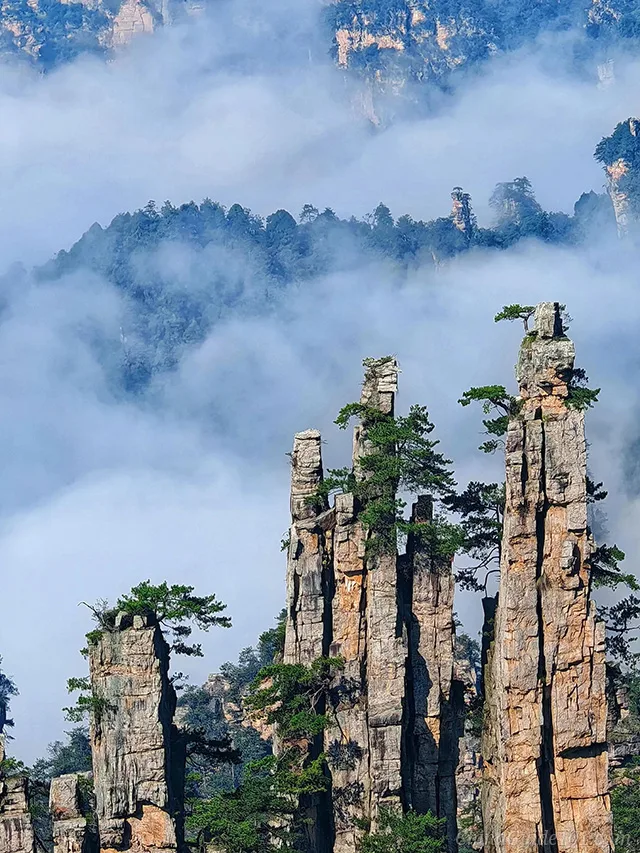
If you can only visit one area, make it Yuanjiajie. This is where you'll see the pillar that inspired Avatar — though by now you know that's not the main reason to come. The viewing platform offers a straight-on view of a forest of pinnacles that frequently disappear into drifting fog. The "First Bridge Under Heaven," a natural rock span, adds to the drama. Yuanjiajie is connected directly to the upper station of the Bailong Elevator and usually becomes crowded by mid-morning.The biggest time saver here is taking the 8:00 AM elevator — you'll have the platforms almost to yourself.
Tianzi Mountain
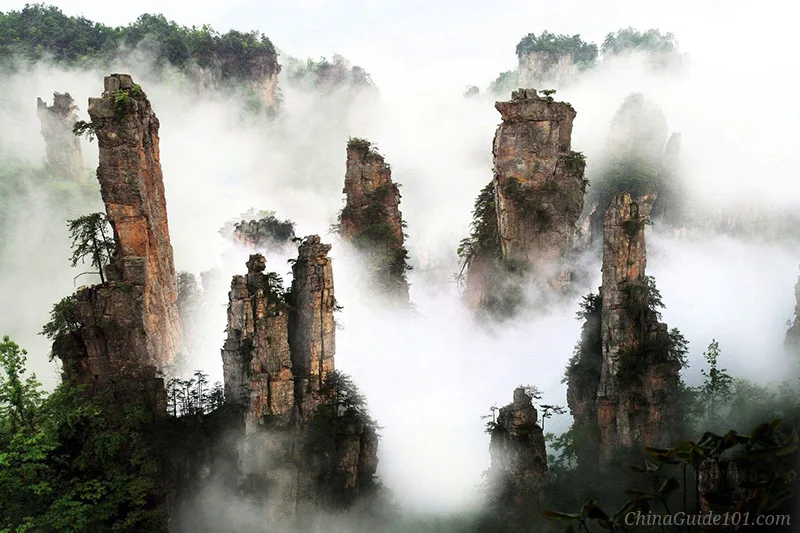
The highest panoramic viewpoint in the park, and the one most returning visitors name as their favorite. On a clear day you can see rows of peaks fading into blue distance; on misty days you'll stand above a rolling sea of clouds. The trails are wide and paved, so crowds spread out better than in Yuanjiajie.If you only have time for one big viewpoint, Tianzi Mountain tends to beat Yellow Stone Village for sheer scale — and the cable car ascent is stunning.Just watch the last cable car down; missing it means a long road alternative.
Golden Whip Stream
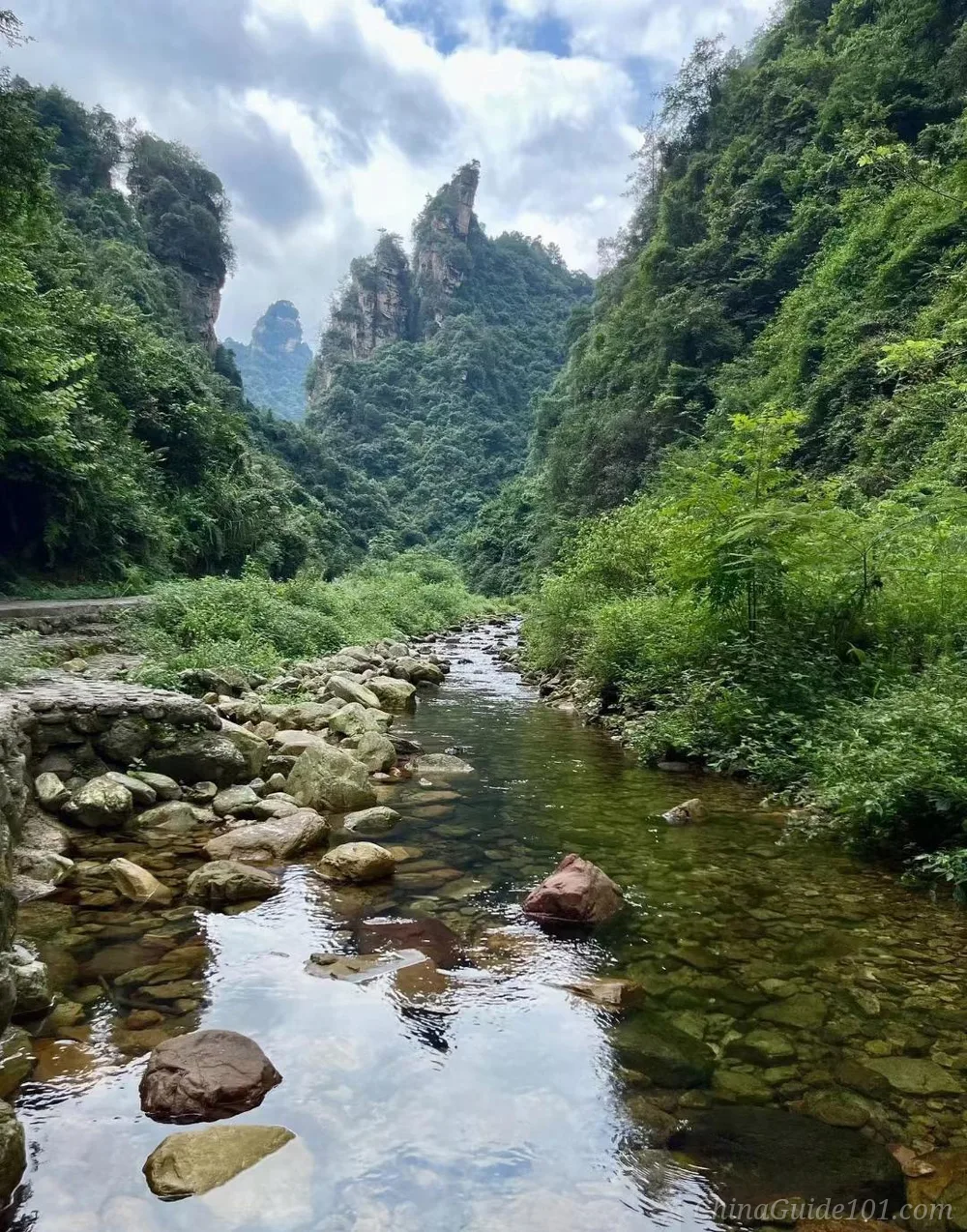
A flat 5.7-km path threading through the bottom of a narrow gorge, shaded by lush foliage and accompanied by the sound of rushing water.Personally, I think Golden Whip Stream is even more enjoyable late in the day, after the tour groups have left and the light softens.It's the perfect place to cool off after a morning on the exposed peaks. Keep food hidden; the macaques here are clever and fearless.
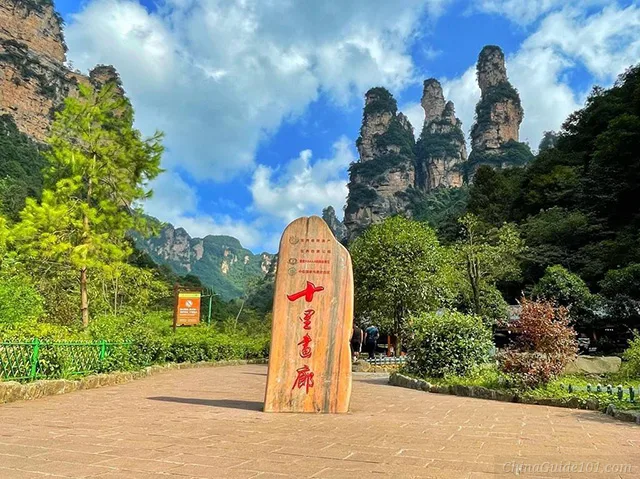
Ten-mile Gallery
A gentle valley with a paved path and a parallel mini train track. The fun here is identifying the oddly shaped peaks named after figures from folklore. The mini train's commentary is mostly in Chinese, so walking one way and riding back works best for most travelers. It's family-friendly and a nice late-afternoon option when your legs need a break.
Yellow Stone Village (Huangshi Village)
A massive elevated mesa near the Forest Park Gate, surrounded by viewpoints that give you a completely different angle on the pillars compared to Yuanjiajie. The cable car up is scenic and far less crowded than the Bailong Elevator. Many visitors find this makes an excellent first stop — it orients you to the park's geography without the crush of the main crowds. The loop trail on top takes about two hours.
- If you're visiting during summer, avoid hiking here in the afternoon; there's limited shade on the exposed sections.
Bailong Elevator
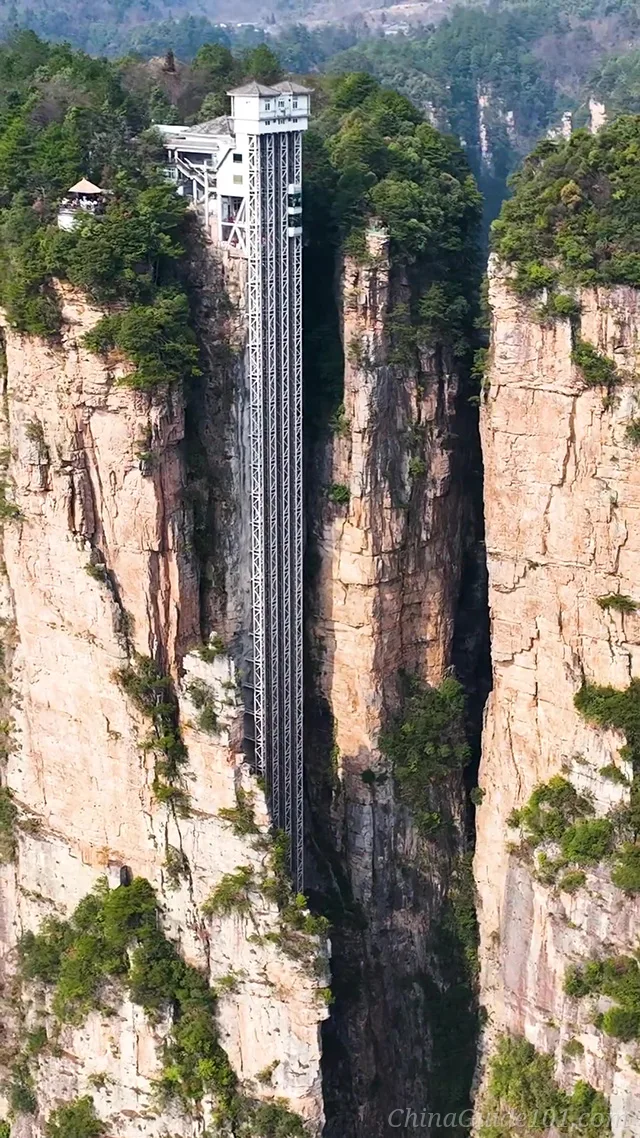
Built directly onto a vertical cliff, this glass elevator shoots up 326 meters in roughly 90 seconds. It's an attraction in its own right.If I could only pay for one add-on inside the park, I'd spend the money on the Bailong Elevator rather than the mini train. It saves about two hours of steep stair-climbing and puts you right in Yuanjiajie.Queues peak between 10:00 AM and 2:00 PM; aim for an early or late ride.
PRO TIP: GETTING STARTED
Once you know the highlights, planning your route becomes much easier. Let's look at how to tie it all together.
What Are the Best Routes for One, Two, or Three Days?
Q: If you're wondering whether Zhangjiajie can be visited in one day, the answer is yes — but you'll need to prioritize.
The routes below are designed to minimize backtracking and make the most of the park's free shuttle buses, elevators, and cable cars . A little planning saves hours.
Important Context First
The park splits into upper mountain areas (Yuanjiajie, Tianzi Mountain, Yangjiajie) linked by ridge-top shuttles, and lower valleys (Golden Whip Stream, Ten-mile Gallery) accessible from the gates. You'll use three main ascent methods: Bailong Elevator to Yuanjiajie, Tianzi Mountain Cable Car to the peak, and Yangjiajie Cable Car to the northwest ridges. Yellow Stone Village has its own cable car from the south.
One-Day Route (Fast-Paced Highlight Reel)
For travelers with only one full day who still want to see the icons.
Enter at the Wulingyuan East Gate by 7:30 AM.
Shuttle to Bailong Elevator. Ride up (buy ticket at counter or via app).
Walk the Yuanjiajie loop (~1.5 hours): Hallelujah pillar, First Bridge Under Heaven, main viewing platforms.
Shuttle to Tianzi Mountain (~30 min ride). Explore the panoramic viewpoints for about an hour, have a simple lunch on top.
Descend via Tianzi Mountain Cable Car.
Shuttle back toward the east gate; if time permits, walk a segment of Golden Whip Stream near Water Around Four Gates.
Exit by late afternoon.
- This route is intense but doable. The early start is non-negotiable — every extra hour of sleep costs you in queue time.
Two-Day Route (The Sweet Spot)
Most visitors should aim for this.
Follow the one-day plan but slower. Spend extra time photographing Tianzi Mountain as the afternoon light shifts. Descend via the cable car and relax.
Enter via the Forest Park Gate (South Gate) in the morning. Take the Yellow Stone Village Cable Car up and walk the loop. Descend by cable car, then walk a good chunk of Golden Whip Stream heading north. In the afternoon, take the shuttle to Ten-mile Gallery and walk its length (or use the mini train one way). Exit through Wulingyuan East Gate.
PRO TIP: THE SWEET SPOT
This two-day split gives you both the aerial drama and the intimate valley experience without feeling rushed.
Three-Day Route (The Deep Immersion)
For hikers, photographers, and anyone who hates crowds.
Enter east gate, Bailong Elevator up. Explore Yuanjiajie thoroughly, then shuttle to Yangjiajie. The trails here are slightly wilder and far quieter. Descend via Yangjiajie Cable Car. This is where you go when you want to hear birdsong instead of tour-group megaphones.
Up via Tianzi Mountain Cable Car, spend the whole morning on top. Descend after lunch, shuttle to Ten-mile Gallery, then walk a peaceful section of Golden Whip Stream in the soft late-afternoon light.
Morning on Yellow Stone Village, then walk the full length of Golden Whip Stream from south to north. This final day ties together every perspective — mesa-top, cliffside, and canyon floor. By the end, you'll understand the park's geography so well you could guide someone else.
How Do You Actually Get to Zhangjiajie?
Many first-timers don't realize that Zhangjiajie City, the airport, and the national park are three distinct points with significant travel time between them. Here's the journey chain that often surprises visitors:
PRO TIP: LOCATION & COMMUTE
Most visitors arrive at Zhangjiajie Hehua International Airport or Zhangjiajie West Railway Station. From there, you'll still need to travel around 40–60 minutes to Wulingyuan, where the national park entrances are located. This is crucial for planning — booking a hotel in downtown Zhangjiajie City means a daily commute.
Zhangjiajie Hehua Airport (DYG) has domestic flights from major cities and some international routes (Seoul, Bangkok, Kuala Lumpur). Downtown is 15–20 minutes by taxi; Wulingyuan is about 50–60 minutes.
Zhangjiajie West Station connects to Changsha (~2.5 hours), Guangzhou, Chongqing, and beyond. Station to Wulingyuan: 50–60 minutes.
From airport or train station to Wulingyuan costs ¥120–180 . Didi works well if you link a card in Alipay.
Budget option from downtown to Wulingyuan costs ¥12–15 , but takes 1–1.5 hours and is often crowded.
- Once in Wulingyuan, most hotels and the park gate are within walking distance or a short taxi ride. Staying in Wulingyuan saves that daily hour in transit — a choice most experienced visitors recommend.
Should I Take the Cable Cars or Bailong Elevator?
You'll probably use a mix of both. These aren't gimmicks — they're practical tools that make the upper mountain accessible to everyone.
Use it to ascend early to Yuanjiajie. Queues are worst between 10:00 AM and 2:00 PM. It's smooth and thrilling; if heights worry you, face inward.
Ideal for descending in the afternoon. Gondolas offer sweeping views. Queues are generally shorter than at the elevator.
Best used round-trip unless you love stair workouts. Quiet and scenic.
The least crowded. Perfect if you explore Yangjiajie's wilder trails.
Walk one way, ride the other.
PRO TIP: LIFT BUDDY
Unless you're on an extremely tight budget, paying for these lifts is money well spent. The time they save lets you see more and climb less — especially valuable if your visit is short.
When Is the Best Time to Visit Zhangjiajie?
Fresh greenery, wildflowers, and dramatic mist. Temperatures 10–25°C. Rhododendrons peak in late April. Photographers tend to love spring — those fog-wrapped mornings create ethereal images. Avoid Labor Day holiday (May 1–5) if possible.
Hot and humid, often above 30°C, but the forest canopy helps. Afternoon thunderstorms clear the air and set up stunning next-morning cloud seas. Summer holidays bring crowds; start early. The sea-of-clouds potential is outstanding if you can handle the heat.
The best all-around season. Crisp air, clear skies, comfortable temperatures. Autumn colors start late October.Crucial warning:avoid Golden Week (October 1–7) at all costs. The park becomes a river of people, queues stretch for hours, and hotel prices triple. Aim for late September or late October for peak beauty without the pain.
Cold (0–8°C) but peaceful. Occasional snow dusts the pillars — a monochrome fairy tale. Crowds vanish, and you'll often have viewpoints alone. Some trails may close after heavy snow, and the Bailong Elevator might undergo brief maintenance. If solitude matters more to you than warmth, winter is a secret gem.
- Avoid Labor Day holiday (May 1–5) if possible.
- Avoid Golden Week (October 1–7) at all costs.
Where Should You Stay in Zhangjiajie?
The choice really comes down to your priorities.
| Stay in… | Pros | Cons |
|---|---|---|
| Wulingyuan District | Walk to park gate in minutes; wide range of hotels and restaurants; early-morning entry is effortless | Quieter nightlife; fewer luxury international brands |
| Downtown Zhangjiajie City | More dining and entertainment options; closer to airport and Tianmen Mountain; some luxury chains | 45–60 minute commute each way to the national park; wastes precious morning time |
PRO TIP: ACCOMMODATION CHOICE
For most park-focused travelers, Wulingyuan wins hands down. The ability to walk to the gate at 7:30 AM is worth more than a fancy hotel lobby 40 km away.
- If you're also visiting Tianmen Mountain, splitting your stay — one night downtown, two nights in Wulingyuan — can work beautifully. Book ahead during holidays and weekends.
What Practical Tips Should You Know Before Visiting?
These are the things most travelers wish someone had told them beforehand.
- Avoid Chinese holidays like the plague.
This matters more than almost anything else. Golden Week (Oct 1–7), Labor Day (May 1–5), and other national holidays turn the park into an impassable crowd. Summer weekends are also significantly busier. Check China's public holiday calendar before booking your flights — it can make or break your trip.
- Wear shoes with serious grip.
Paved paths get treacherously slippery with morning dew and mist. Sturdy sneakers or hiking shoes are non-negotiable.
- Do not feed the monkeys.
Macaques are bold and opportunistic. They will snatch food, bags, and sunglasses. Keep snacks hidden and avoid eye contact. Feeding them makes them aggressive.
- Sort out mobile payments before you arrive.
In 2026, Alipay and WeChat Pay are the norm everywhere — ticket booths, noodle stalls, shuttle stations. International visitors can link a Visa or Mastercard to Alipay's international version. Bring ¥500–1,000 in cash as a backup, but expect vendors to struggle with change for large bills.
- Download offline maps.
Cell service is unreliable in the gorges. Take a photo of the large park map at the entrance, or use an offline mapping app. It saves confusion at shuttle transfer points.
- Pack a power bank.
Your phone will be your camera, map, and payment tool. There are no charging stations on the trails.
- Carry tissues and hand sanitizer.
Some remote toilets are squat-style and basic. Western-style facilities exist at major stations, but being prepared helps.
PRO TIP: LUGGAGE STORAGE
Luggage storage is available.
Wulingyuan East Gate has a storage service for around ¥20–30 per day — handy if you're arriving before check-in or leaving after check-out.
- Learn a few phrases.
English signage is decent, but many staff speak little English. "Xièxiè" (thank you) and "Duōshao qián?" (how much?) go a long way.
- Drones are prohibited.
Security checks will catch them. Flying a drone inside the park can result in confiscation and fines. Don't risk it.
Suggested Itineraries at a Glance
Here's the quick-reference version of the routes detailed above:
Yuanjiajie (elevator up) → Tianzi Mountain (cable car down). Add a short valley walk.
Day 1: Upper peaks as above, slower pace. Day 2: Yellow Stone Village + Golden Whip Stream + Ten-mile Gallery.
Day 1: Yuanjiajie & Yangjiajie. Day 2: Tianzi Mountain & valleys. Day 3: Yellow Stone Village & full stream walk.
PRO TIP: DURATION
If you have any flexibility, aim for at least two days. One day is possible, but you'll leave wanting more.
Frequently Asked Questions
1. Can you visit Zhangjiajie in one day?
Yes, but it's a packed day that covers Yuanjiajie and Tianzi Mountain with little downtime. Two days is far more comfortable.
2. How many days do I need?
Two full days hits the sweet spot. Three allows deep exploration without rushing.
3. Is Zhangjiajie crowded?
It can be, especially 10:00 AM–2:00 PM and during Chinese holidays. Arriving at opening time and visiting outside peak seasons makes a huge difference. Weekdays are noticeably quieter than weekends.
4. Is the park worth the money?
Absolutely. At ¥248 for four days, it's extraordinary value compared to many Western national parks.
5. Is Bailong Elevator scary?
It's surprisingly smooth. Even nervous visitors usually find it exhilarating rather than terrifying.
6. Can foreigners buy tickets at the gate?
Yes. Bring your passport. Some discounts require supporting documents.
7. Do I need to book tickets in advance?
During peak holidays, yes. For normal periods, same-day purchase at the gate works fine. If online booking blocks your foreign ID, just use the counter.
8. How difficult is the hiking?
The range is huge. You can do entirely flat, paved walks or steep stair climbs. Using cable cars and elevators makes it accessible for most fitness levels.
9. Is the park suitable for children?
Yes, especially if you use the lifts. The valley paths are stroller-friendly, but the upper mountain has many steps — a baby carrier is more practical there.
10. Is Zhangjiajie suitable for seniors?
Yes, with some planning. Many older visitors enjoy the park by using cable cars and the Bailong Elevator to skip steep climbs. The valley walks are flat and shaded. If mobility is limited, focus on Ten-mile Gallery and Golden Whip Stream, and consider the sedan-chair porter service available in some areas.
11. Can I fly a drone?
No. Strictly prohibited. Security scans for them.
12. What's the best season?
Autumn, especially late September to early November, avoiding Golden Week. Spring is a close second.
13. Are there English-speaking guides?
Yes, but they're not abundant. Book through a reputable agency or your hotel if you want one.
14. Is Zhangjiajie better than Jiuzhaigou?
They're utterly different. Zhangjiajie is about towering vertical pillars and misty mountain drama; Jiuzhaigou is about turquoise lakes, waterfalls, and colorful forests. If you crave soaring rock formations and that floating-mountain feeling, Zhangjiajie wins. If you want pristine alpine lakes and a serene palette, Jiuzhaigou is unbeatable.
15. What should I wear?
Layers. Even in summer, mornings are cool. In winter, bring a down jacket, gloves, and a hat. Shoes with grip are essential.
Zhangjiajie is one of those rare places that actually lives up to the photos. Start early, stay at least two days if you can, and don't worry too much about seeing everything. Some of the best moments happen when you simply stop at a viewpoint and watch the clouds drift through the peaks.
PRO TIP: DIGITAL PREPARATION
To truly immerse yourself in this ancient landscape without any modern-day stress, a little digital preparation goes a long way. Before you lace up your hiking boots, make sure to read our comprehensive China Internet Guide to keep your maps and social media connected while roaming the mountains. Additionally, since the park's vendors and cable cars operate almost entirely on cashless systems, checking out our China Payment Guide will ensure your WeChat Pay or Alipay is set up and ready to go.
Travel well, navigate smoothly, and enjoy every single minute of it.