
Beijing's hutongs are its old residential lanes, a gentle counterpoint to the city's grand imperial landmarks. While the Forbidden City and Temple of Heaven tell the story of emperors, hutongs reveal everyday Beijing: courtyard homes tucked beside narrow lanes, and quiet neighbourhoods that people still call home hundreds of years later. This guide is built for independent travellers, not textbook history.It will help you choose the right neighbourhoods for your interests, plan a realistic walking route, and explore these residential areas respectfully.
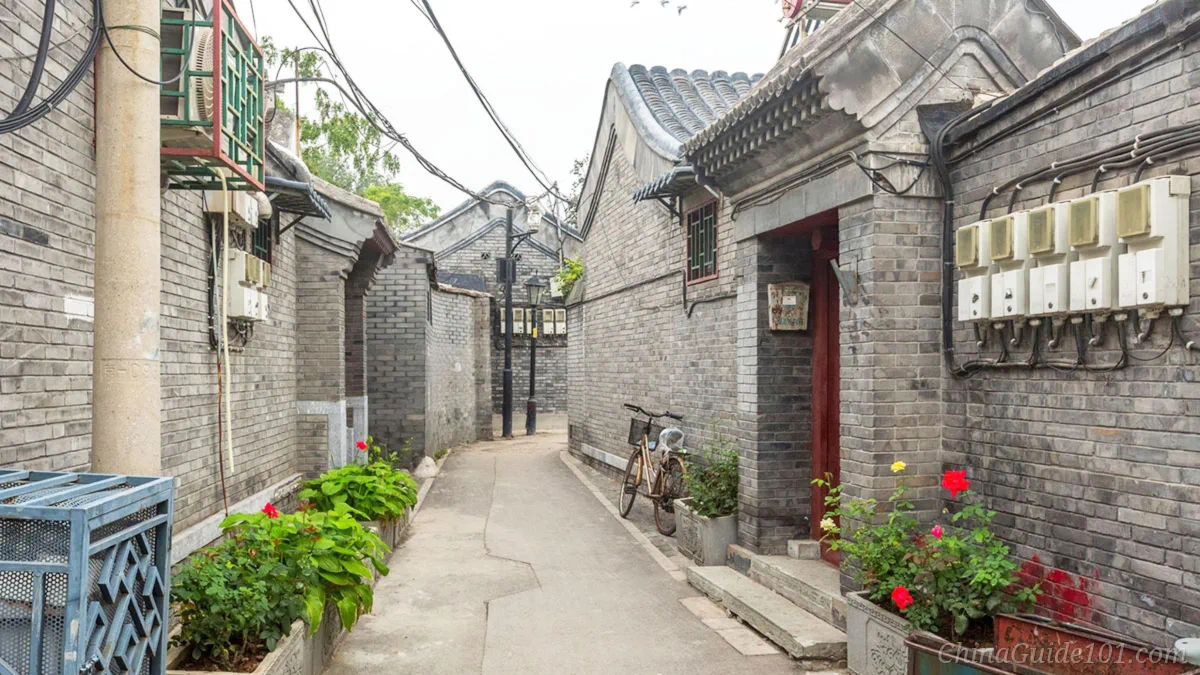
What Are Beijing Hutongs?
A Brief History of Beijing's Hutongs
The web of hutongs clustered around the Drum and Bell Towers traces back centuries. Nanluoguxiang, for instance, carries roughly 800 years of history. The area still follows that classic fishbone street layout from its original design, though its buildings and streetscape have shifted dramatically across time.
What Makes Hutongs Different from Other Beijing Attractions?
Unlike ticketed landmarks such as the Great Wall or Forbidden City, hutongs are not exhibits built for sightseeing. They are active neighbourhoods, where locals live, run small shops, and commute along the lanes. When you wander through, you share the space with residents, cyclists and delivery riders. That is part of their charm — but it also means you visit a living community, not a preserved museum. This shapes how you plan, and how you carry yourself while exploring.
Can You Still See Traditional Beijing Life in the Hutongs?
Yes, but keep your expectations grounded. Some hutong blocks have been heavily commercialised, lined with shops, cafes and crowds. Step off the main drag, however, and you can slip into quieter lanes where daily routines unfold. The reality sits somewhere in between preservation, tourism and modern city life. Renovated courtyards stand next to family homes, and busy commercial streets fade into calm residential alleys. Do not come expecting a frozen historical scene; every hutong area feels different.
Best Hutong Areas to Visit in Beijing
The table below helps you match an area to your priorities. All public lanes are free to wander.
| Area | Atmosphere | Best for | Notes |
|---|---|---|---|
| Nanluoguxiang | Busy, commercial main street with quieter side lanes | First-time visitors wanting easy access and food options | Heavily commercialised; arrive early to avoid crowds. Side lanes vary widely in atmosphere. |
| Shichahai & Houhai | Lakeside scenery, willow-lined promenades, traditional lanes | Lakeside walks, evening strolls, combined with Drum Tower | Large spread; suitable for half-day outings, can get busy after sunset. |
| Yandai Xiejie | Short, historic, atmospheric | A quick historic street walk linked to Shichahai | Often crowded; best as a connecting route rather than a standalone stop. |
| Dongsi hutongs | More everyday, less commercial | Travellers wanting a quieter residential vibe | Relative calm is not guaranteed; stick to open public lanes. |
Nanluoguxiang (南锣鼓巷)
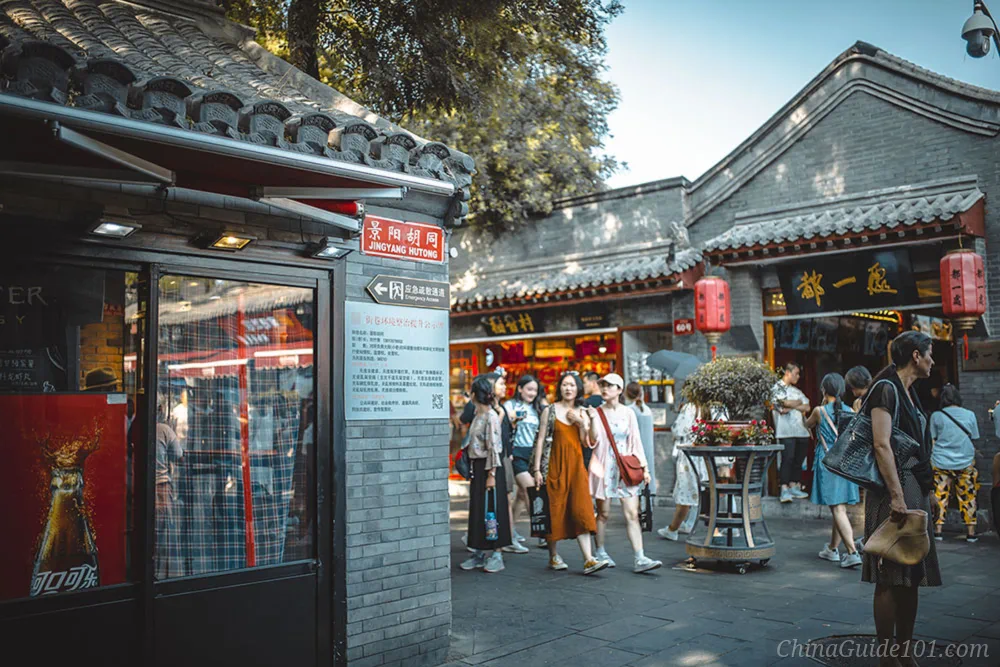
Nanluoguxiang is one of Beijing's best-known and most visited hutong areas, and it is also the most commercial. Its main north-south stretch runs about 800 metres, with 16 smaller alleys branching off like ribs on a fishbone. It works great for first-time visitors who want easy access and lots of snack options, but do not come here hoping for quiet, untouched local life.For a different perspective, explore side lanes such as Yu'er Hutong and Mao'er Hutong. Some sections may feel less crowded and more residential than the main thoroughfare, although conditions vary by street and time of day.Nanluoguxiang Station serves both Line 6 and Line 8; double-check your exit before heading out.
Shichahai and the Houhai Area (什刹海、后海)
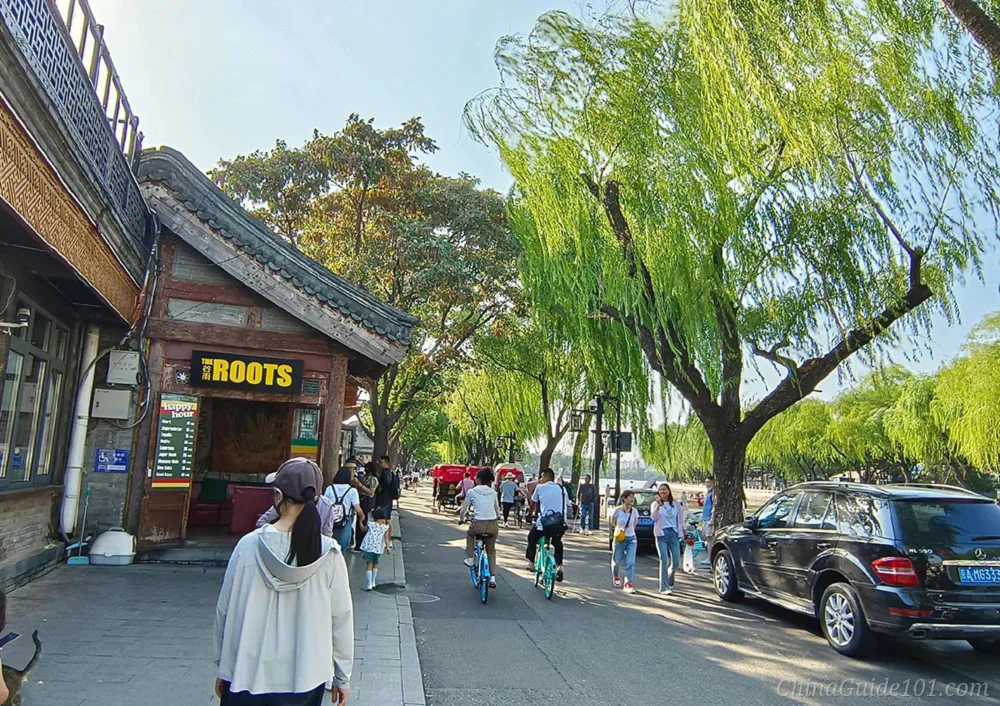
Shichahai wraps around three connected lakes: Qianhai, Houhai and Xihai. Willow trees line the waterfront paths, old lanes weave between courtyards, and small restaurants dot the shore. It is one of the prettiest hutong zones, and it pairs naturally with the Drum and Bell Towers just to its east.Silver Ingot Bridge (Yinding Bridge) is a popular viewpoint overlooking the water and the surrounding hills.The lakeside picks up energy after dark with bars and eateries, while the back lanes stay quieter and more residential. Take Line 8 straight to Shichahai Station.
Yandai Xiejie (烟袋斜街)
Yandai Xiejie is a short, sloped historic lane once famous for tobacco pipe vendors. It holds plenty of old-Beijing character, yet it gets busy fast. Treat it as a handy link between the Drum Tower area and Shichahai instead of a destination on its own. You can walk the whole length in just a few minutes.
Dongsi Hutongs (东四胡同片区)
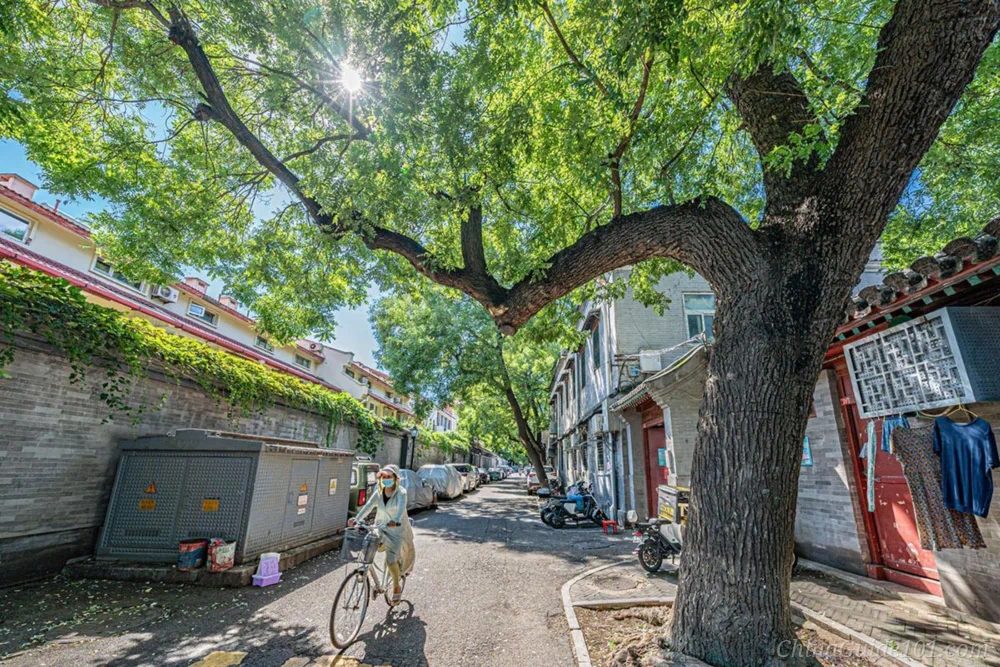
Dongsi feels far more residential than Nanluoguxiang. Tourist crowds thin out here, and daily local life takes centre stage. This district is home to the Shijia Hutong Museum, a small museum dedicated to Beijing hutong culture set inside a traditional siheyuan courtyard.
PRO TIP: Shijia Hutong Museum Info
Verify opening hours and reservation rules before your trip, as access policies can change. Stay on public pathways as you wander; remember this is still a residential neighbourhood. Reach it via Line 5 at Dongsi or Dengshikou Station.
Other Hutong Areas Worth Considering
If you have extra time and want to skip the busiest tourist strips, smaller lanes around the Drum and Bell Towers and Lama Temple make lovely low-key detours. Only fit these in if they align with your route — no need to cram too much in.
Which Beijing Hutong Area Should You Choose?
| Traveler preference | Suggested area |
|---|---|
| First-time visitors | Nanluoguxiang and Shichahai |
| Lakeside scenery | Shichahai and Houhai |
| A short historic street walk | Yandai Xiejie |
| A quieter, less commercial atmosphere | Selected Dongsi lanes |
A quick note: "quieter" is relative. Crowds shift with seasons, weekends and holidays, so you may still run into groups even in calmer neighbourhoods.
Best Beijing Hutong Walking Routes
All timings are rough estimates, shaped by your walking pace and photo stops. Route 3 is a combined itinerary that weaves together Route 1 and Route 2, so some overlap is intentional.
Route 1 — Nanluoguxiang and Nearby Hutongs
Start at Nanluoguxiang Station (Line 6 / Line 8). Wander the main street from south to north, then peel off into side hutongs to escape the crowds and explore quieter residential lanes.
- Duration:1.5–2.5 hours
- No backtracking required:The northern end connects straight to the Drum Tower and Shichahai if you want to keep walking.
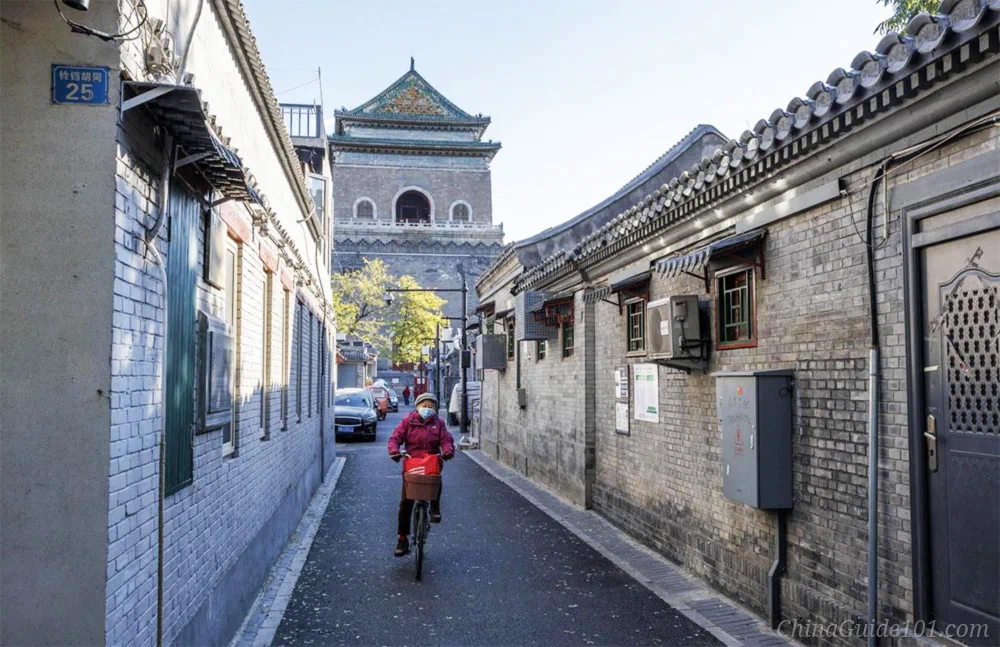
Route 2 — Shichahai, Yandai Xiejie and Houhai
Start near the Drum Tower. Walk through Yandai Xiejie down toward the lakefront,then follow the lakeside paths around Qianhai and toward Houhai, adjusting the walk to your available time and preferred stops.This route mixes old street charm with open lake views.
- Duration:2–3 hours at a relaxed pace
- Good for:Sightseeing with regular food and photo breaks.
Route 3 — A Half-Day Combined Hutong Walk
This longer route strings Nanluoguxiang, the Drum Tower, Yandai Xiejie and Shichahai into one continuous walk. Start at Nanluoguxiang Station, explore the main street and its side alleys, then head north toward the Drum Tower. From the Drum Tower area, continue west through Yandai Xiejie and wrap up with a lakeside stroll around Shichahai.
- Duration:3–4 hours
- Tip:If your legs tire easily, pick either Route 1 or Route 2 instead of tackling the full route. Double-check opening hours for any courtyard museums you plan to visit before you set off.
What to See and Do in Beijing Hutongs
Explore Traditional Courtyard Architecture
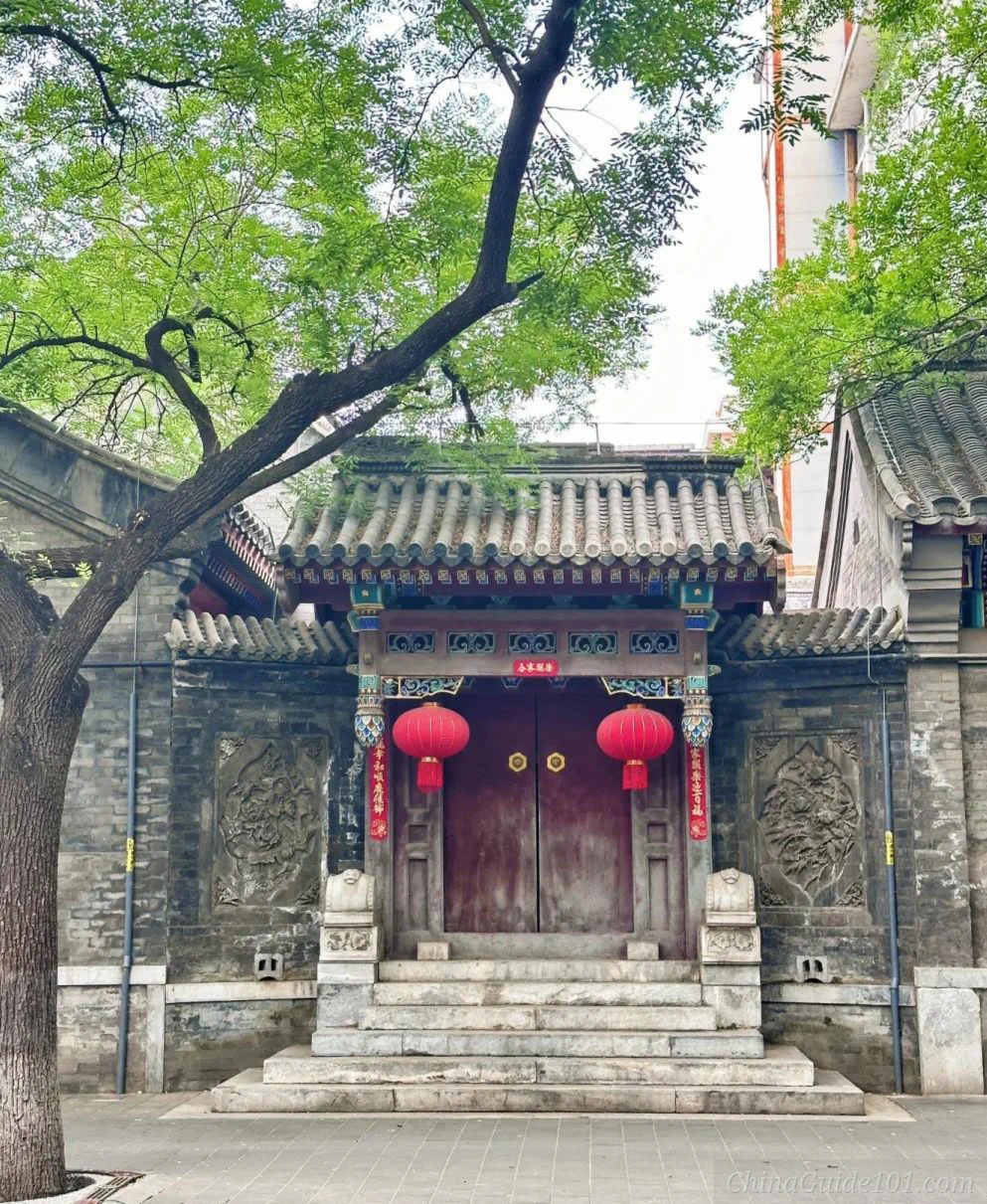
The siheyuan, or four-sided courtyard home, is the architectural heart of the hutongs. From the lane, you can spot grey brick walls, ornate gate frames and carved stone entry details. Some courtyards operate as museums, cafes or guesthouses and welcome visitors. Many others remain private family homes and are off-limits. Feel free to admire them from the street, but never step inside a private courtyard just because a gate sits open.
Try Local Snacks and Small Restaurants
Snack stalls cluster heavily around Nanluoguxiang and Shichahai. For simpler, more authentic local meals, walk one block away from the main tourist strips to find small family-run spots. Do not expect every hutong to be lined with food stalls; dining options concentrate in the busier commercial zones.
Visit Independent Shops and Local Businesses
The main tourist streets are packed with souvenir shops, while quieter residential lanes host everyday neighbourhood services: barbers, repair shops and small grocery stores. If you want to experience ordinary local life over tourist commerce, spend more time wandering Dongsi or the quieter back lanes of Shichahai.
Take a Guided Hutong Tour or Rickshaw Ride
A guided walking tour adds context if you prefer not to navigate alone. Rickshaw rides are common around Shichahai, but pricing varies wildly between operators and routes.
PRO TIP: Rickshaw Warning
Confirm the total fare, trip length, stops included and any extra entry fees before you hop on. Stick to licensed, official stands and avoid unregulated street hawkers to prevent disputes.
Practical Tips for Visiting Beijing Hutongs
How Much Time Do You Need?
- Quick casual stroll: 1 hour (Nanluoguxiang main street only)
- Full lane exploration plus nearby historic towers: Half a day
- Combine lakeside walking and courtyard stops: Plan a half-day to full-day outing, and take it slow.
Best Time of Day to Visit
Weekday mornings tend to be quieter, before day-tour groups roll in. Late afternoon brings soft golden light and a gentle buzz along the Shichahai waterfront. Expect heavy crowds on weekends and public holidays; there is no guaranteed quiet window, so plan accordingly.
How to Get to the Hutong Areas
The subway is your most reliable transport option:
- Nanluoguxiang: Line 6 and Line 8
- Shichahai: Line 8
- Dongsi residential hutongs: Line 5 (Dongsi / Dengshikou Stations) Ride-hailing drops you off near district entrances, but inner alleyways are narrow and mostly pedestrian-only, so prepare to walk once you arrive.
Are Beijing Hutongs Free to Visit?
Public lanes are free to walk. Individual venues inside courtyards may charge admission. Private residential courtyards are never open for tourists. Courtyards operating as museums, cafes or guesthouses may require tickets or advance reservations.
Accessibility and Walking Considerations
Hutong paths are brick and stone, often uneven. Lanes mix foot traffic with bicycles and small scooters. The wide, flat lakeside paths around Shichahai work best for prams and slower walkers.If you have limited mobility, stick to wider streets near subway exits and allow extra time. If considering a rickshaw tour, confirm the vehicle, boarding arrangements and route in advance.
Hutong Etiquette: Respecting Local Residents
Hutongs are homes first, tourist attractions second. A little care goes a long way.
- Only enter courtyards clearly marked as museums, shops or guesthouses, or when given direct permission by residents
- Ask for consent before photographing local residents, their homes or private family moments
- Keep voices low and carry all rubbish out with you
- Stay on public lanes and avoid blocking gateways and bike parking
- Assume an open courtyard gate is an invitation to wander inside
- Take photos through doorways or windows without permission
- Treat residential lanes only as photo backdrops
- Disturb local residents going about their daily life
How to Include Hutongs in Your Beijing Itinerary
Combining Hutongs with the Forbidden City
The Forbidden City and the hutong belt sit close enough for a one-day pairing, but touring the palace is physically draining. A relaxed plan: spend your morning exploring the Forbidden City, then head north to the hutongs and Drum Tower area for late-afternoon wandering, once crowds thin and the light softens. Do not overload your schedule with distant attractions on the same day.
Combining Hutongs with Shichahai and Other Nearby Sights
The Drum and Bell Towers, Yandai Xiejie, Nanluoguxiang and Shichahai sit within easy walking distance of one another, forming a tight sightseeing cluster. Jingshan Park and Beihai Park add green space nearby. Group these together to skip long cross-city subway rides.
Should You Visit Hutongs on Your First Day in Beijing?
Hutongs make a wonderful low-pressure activity for your first day in town. No advance tickets or complicated pre-planning are needed. A casual wander through Nanluoguxiang works beautifully as a gentle introduction to Beijing, before you tackle longer day trips out to the Great Wall.
Frequently Asked Questions
Q: What is a hutong in Beijing?
A hutong is a narrow traditional residential alley, originally lined with siheyuan courtyard homes. Many date back hundreds of years and remain active neighbourhoods today.
Q: Which hutongs are best to visit in Beijing?
Nanluoguxiang is convenient and tourist-friendly; Shichahai and Houhai offer lovely lake views; Yandai Xiejie is a short historic connector lane; Dongsi delivers quieter residential hutong vibes.
Q: Are Beijing hutongs free to visit?
Public walking lanes cost nothing. Separate courtyard venues like museums or cafes may charge entry fees, and private homes stay off-limits.
Q: How long should I spend exploring the hutongs?
One hour is enough for a quick look at Nanluoguxiang's main street. Set aside half a day if you want to explore side lanes plus the Drum Tower and Shichahai lakefront.
Q: Is Nanluoguxiang worth visiting?
Yes for first-time visitors who want easy access and lots of food options, just know it is heavily commercialised. For a quieter experience, branch out into its side hutongs or head to Dongsi.
Q: Are Beijing hutongs suitable for families?
Absolutely. The flat lakeside paths around Shichahai are great for kids, though keep in mind uneven paving and weekend crowds.
Q: Can I visit Beijing hutongs without a tour guide?
Definitely. All public lanes are easy to explore independently. A guide simply adds extra background commentary.
Q: Is it safe to walk through hutongs?
The main hutong areas are popular for walking, yet conditions change lane by lane. Watch for bicycles and scooters, tread carefully on uneven paving, and keep your belongings secure as you would in any busy city area.
Q: Can tourists enter traditional courtyard homes?
Only if the space is open commercially — a museum, shop or guesthouse — or you have the resident's permission. Never walk into private family courtyards.
Q: What is the best way to get to the Beijing hutong areas?
Take the subway: Line 6 and Line 8 serve Nanluoguxiang; Line 8 serves Shichahai; Line 5 serves Dongsi and Dengshikou. Walk once you exit the station.
Pick your hutong area based on what you hope to get out of the visit. Nanluoguxiang paired with Shichahai delivers the classic first-timer experience; Yandai Xiejie works as a quick historic detour; Dongsi suits travellers hunting for quieter local atmosphere. For most new visitors, the half-day combined walking route balances scenery, culture and everyday Beijing charm perfectly.
Plan your full trip with our broader city content: Start with our Beijing travel guide , then read the Forbidden City travel guide and Temple of Heaven guide for imperial landmark planning. The Great Wall travel guide covers full-day mountain excursions.