
Plan a trip to Wulong Karst with this practical 2026 guide. Explore the Three Natural Bridges, compare nearby attractions, and check tickets, transport and itineraries from Chongqing.
Wulong Karst is part of the UNESCO-listed South China Karst World Heritage property. The wider Wulong district also offers several other attractions, but they are not all part of the same heritage site or scenic area. Three Natural Bridges is the main highlight for most first-time visitors, while Longshuixia Fissure Gorge, Fairy Mountain and Furong Cave offer different experiences and require separate travel arrangements.
High-speed trains from Chongqing East to Wulong South can take around 35–45 minutes on some services, but the full journey takes longer once you include travel to the railway station and onward transport to the scenic area. A day trip from Chongqing is possible, although it works best when you focus on the Three Natural Bridges rather than trying to visit every attraction in Wulong.
PRO TIP: Site Zones Are Separated Geographically
These sites sit across geographically separate zones. Three Natural Bridges, Longshuixia Fissure Gorge, Fairy Mountain and Furong Cave all lie within Wulong district, but each has its own entry gates, ticketing and separate transit links. This guide helps you pick which sites fit your available time, fitness level and travel budget, and work out whether a day trip from Chongqing is realistic for you.
Is Wulong Karst Worth Visiting?
What Makes Wulong Karst Special?
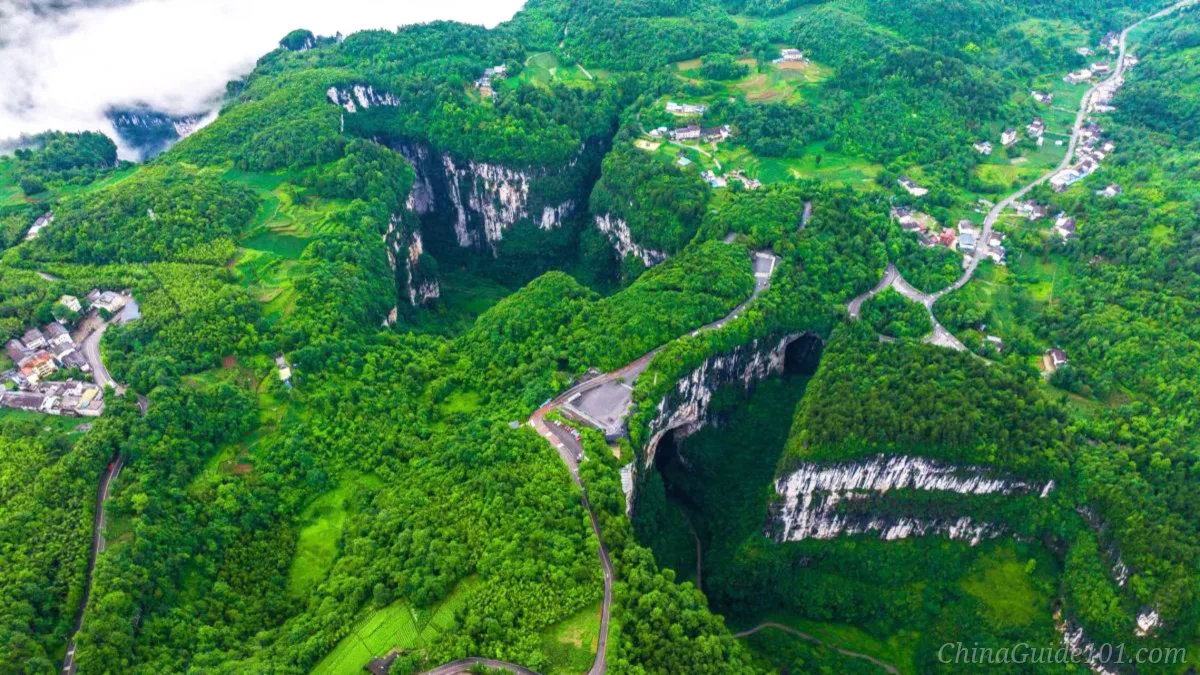
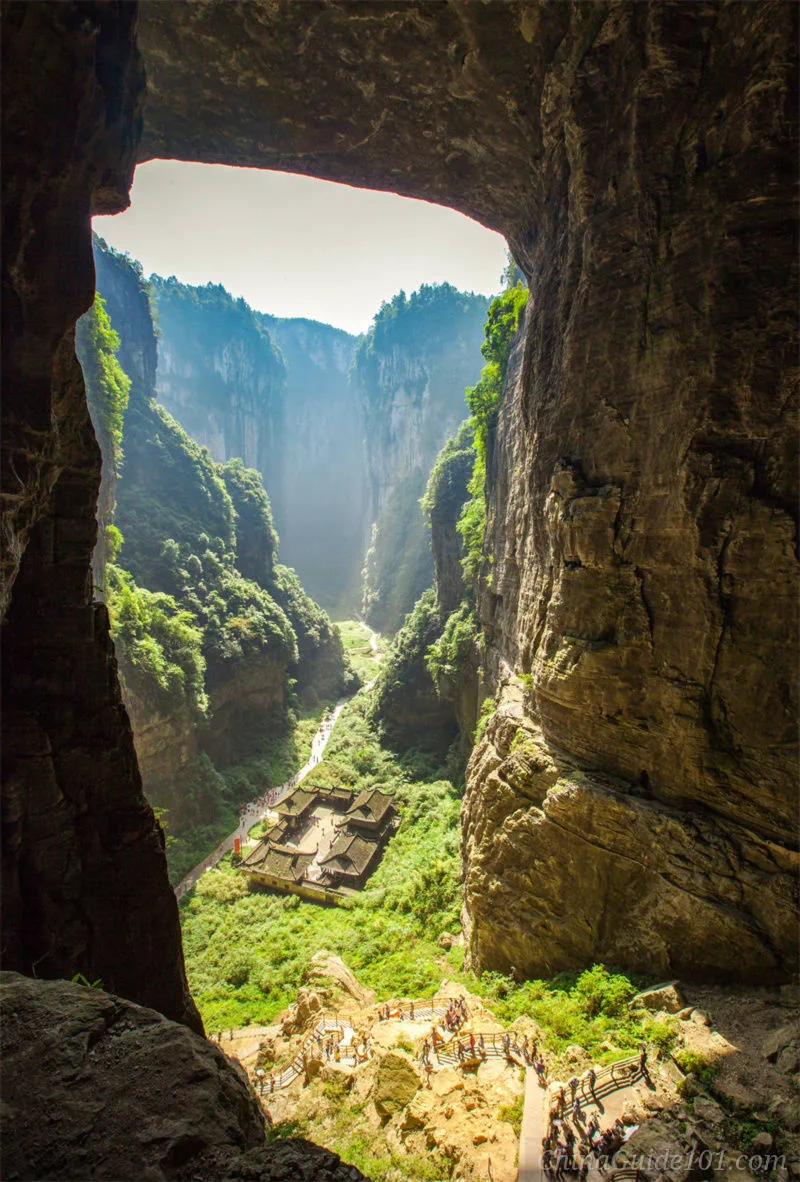
Most karst landscapes in China show caves or isolated rock peaks. Wulong's draw lies in its giant sinkhole systems and intact natural stone bridges, massive arches formed over millennia as underground rivers dissolved and collapsed limestone bedrock. Walking down into the sinkhole beneath the three bridges gives a striking sense of scale; steep rock walls rise hundreds of metres overhead, with quiet streams and old heritage buildings tucked into the valley floor.
This is a landscape-focused destination, not a city sightseeing stop. Expect long flights of stone steps, shaded trails and shifting mountain weather rather than restaurants, shops or museums as the main attraction.
Who Should Visit and Who Might Prefer More Time in Chongqing?
Wulong works well for travellers who enjoy slow natural scenery, moderate walking and landscape photography. If your trip is short and your priority is city food, urban landmarks and nightlife in Chongqing, you may want to skip Wulong and stay within the city instead.
Bear in mind that exploring the core sites requires continuous walking and stair descent and ascent. Visitors with limited mobility, joint pain or young children need to carefully evaluate route options and elevator access before committing to a full itinerary.
The Best Places to Visit in Wulong Karst
Three Natural Bridges (Tian Sheng San Qiao)
Three Natural Bridges is the flagship site for most first-time visitors to Wulong. The site features three enormous natural limestone bridges spanning a huge sinkhole valley. The classic walking route descends deep into the sinkhole, passes beneath each arch, and winds past Tianfu Posthouse, a restored traditional building built inside the valley.
PRO TIP: Current travel advisory — Last updated: October 2026
As of 12 October 2026, the exit sightseeing bus at the Three Natural Bridges is suspended during road works. The scenic-area operator has instructed visitors to follow on-site signs and walk approximately 800 metres along the pedestrian path to the transfer-bus point. Check the official notice for updates before your visit, as the service may resume after the work is completed. Remove or revise this advisory once construction ends.
The standard self-guided loop takes roughly 2 to 2.5 hours, including stops for photos. Much of the trail is downhill at the start, followed by flat valley walking. Keep the temporary exit walking route in mind when budgeting your time and physical energy. The optional sightseeing elevator cuts out a long steep climb, but it is an extra charge and does not eliminate all stair walking.
This location briefly featured in a Hollywood blockbuster, but its real appeal comes from raw geological scale, not pop-culture ties.
Longshuixia Fissure Gorge
Longshuixia Fissure Gorge delivers a different flavour of karst scenery: a narrow, dark crack sliced deep into the rock. The gorge walls tower close overhead, with small waterfalls dripping onto the paved footpath. Compared to Three Natural Bridges, it feels more enclosed and intimate.
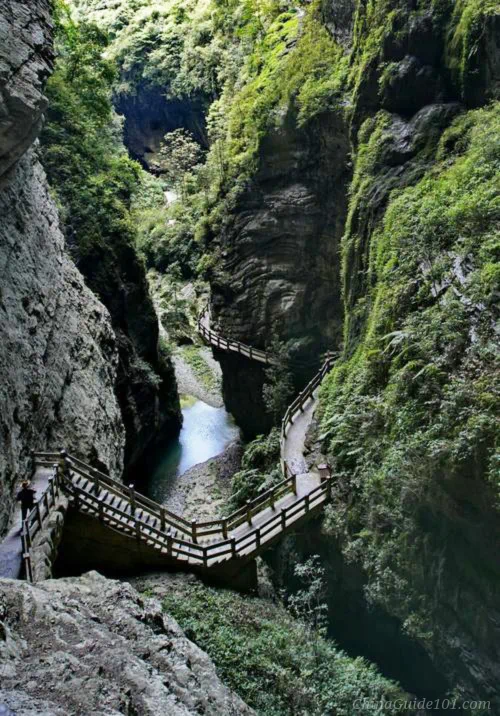
A full visit generally takes 1.5–2 hours. It sits relatively near Three Natural Bridges, so combining both in one day is feasible. That said, moving between them requires waiting for inter-site shuttle buses, queuing at entry points and covering more total walking. Only add Longshuixia if you start early and are comfortable with a packed schedule.
Fairy Mountain National Forest Park
Fairy Mountain is set on a high-altitude plateau, with rolling alpine meadows, pine forests and wide open grassland views. It contrasts sharply with the sinkholes and stone bridges of the karst valley sites. Many travellers come here for cool summer escapes or winter snow.
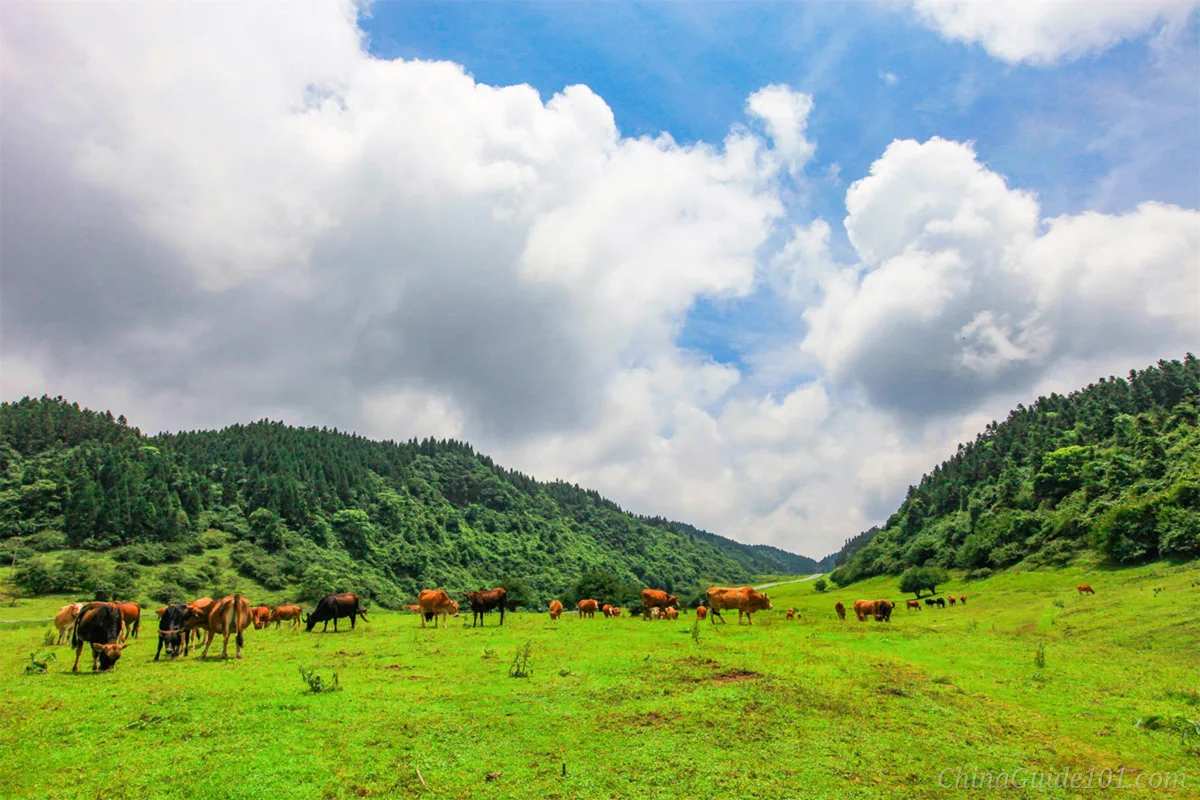
It is not adjacent to the Three Natural Bridges area, so visiting adds substantial travel time. A full exploration can easily take half a day or longer. It makes the most sense for trips of two nights or more in Wulong, rather than squeezing it into a rushed day trip or basic two-day, one-night stay.
Furong Cave
Furong Cave is a vast limestone cave system decorated with stalactites, stalagmites and massive underground rock formations. Guided cave tours run along fixed paved paths with lighting installed throughout. It forms part of the UNESCO South China Karst Wulong component.
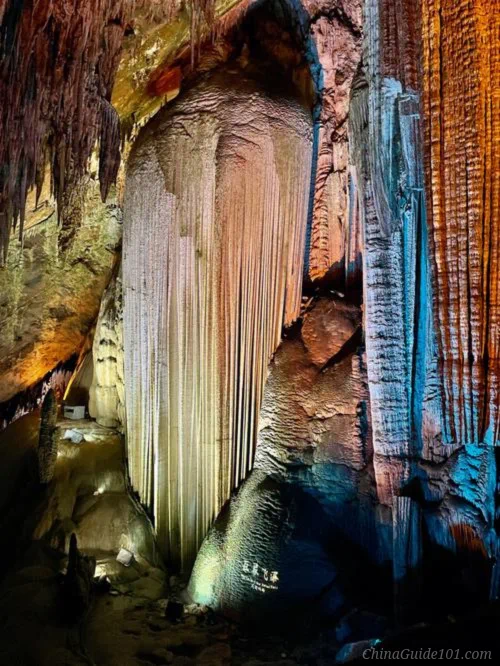
The cave sits far from the sinkhole cluster of Three Natural Bridges and Longshuixia. Adding Furong Cave means committing significant extra driving time. For one-day visitors departing Chongqing, we generally recommend leaving this cave off your plan. Reserve Furong Cave for stays of two nights or longer.
PRO TIP: Furong River Cableway Maintenance Notice
Check the latest official notices before your visit: in October 2026, the Furong River cableway undergoes annual inspection from 12–14 October. During this window, visitors to Furong Cave transfer via free shuttle vehicles to reach the cave entrance. Temporary closures and transport adjustments have happened previously, so always verify opening status ahead of time.
Wulong Karst Tickets, Prices & Admission Hours
Ticket prices in Wulong vary by attraction, season and ticket package. The published scenic admission fee is not always the same as the final amount paid at checkout, because some products include transfer buses or other services.
Before booking, check whether your ticket covers admission only, the transfer between the visitor centre and scenic area, the sightseeing elevator, or any additional transport. Combined tickets for the Three Natural Bridges and Longshuixia Fissure Gorge may be available, but read the inclusions carefully rather than assuming every service is covered.
Ticket Prices by Attraction
Prices below are official published scenic base entry fees from Wulong district tourism authorities for 2026. These do not include mandatory visitor centre shuttles, optional elevators or inter-site transfers.
PRO TIP: Pricing Tier Confirmation
Important: Peak and off-season date ranges are not specified in this reference dataset. Confirm which pricing tier applies to your travel date on the official booking platform before purchasing.
| Attraction | Peak Season Base Ticket | Off Season Base Ticket | Common Additional Fees | Sold in combined bundles? |
|---|---|---|---|---|
| Three Natural Bridges | ¥70 | ¥40 | Mandatory visitor centre shuttle; optional sightseeing elevator; exit transport subject to temporary suspension | Yes, bundled with Longshuixia |
| Longshuixia Fissure Gorge | ¥55 | ¥35 | Mandatory site shuttle | Yes, bundled with Three Natural Bridges |
| Fairy Mountain National Forest Park | ¥50 | ¥50 | Internal sightseeing bus | Usually sold separately |
| Furong Cave | ¥80 | ¥65 | Shuttle to cave entrance; temporary free replacement transport may apply during cableway maintenance | Usually sold separately |
PRO TIP: Third-party Platform Packages
Note: Packages sold on third-party platforms may bundle different combinations of tickets and transport. Always separate base entry from transport add-ons when comparing prices.
Combined Tickets and Extra Transport Fees
Combined packages covering Three Natural Bridges and Longshuixia Fissure Gorge are available, and often save money compared to buying two standalone tickets. Be sure to read what each package covers. Most bundles include entry to the two scenic zones, but the sightseeing elevator at Three Natural Bridges is usually an optional add-on, not automatically included.
Internal shuttle buses between visitor centres and gorge entrances are often mandatory, as public roads do not run directly to the trailheads. These transport charges may appear as separate line items during checkout. Separate shuttle services exist for:
- Transfer from main visitor centre to the gorge entry gate
- The optional vertical sightseeing elevator at Three Natural Bridges
- Shuttle buses running between Three Natural Bridges and Longshuixia Fissure Gorge
- Exit transfer services (subject to temporary suspension, see current advisory above)
Admission Hours and Seasonal Changes
Published admission hours for Three Natural Bridges, Longshuixia Fissure Gorge and Furong Cave (times may shift, and separate last-entry limits apply; confirm the cutoff time on your travel day):
- May: 08:30–17:00
- June–August: 08:00–17:00
- September–April: 08:30–16:30
Scenic areas enforce separate last-entry cutoff times to ensure visitors finish their hike before dusk. Rain or heavy fog can trigger temporary safety restrictions or partial trail closures. Always confirm latest entry rules the morning of your visit.
Booking Tickets with a Foreign Passport
When booking, enter the passport details requested by the ticketing platform and bring the original passport for identity verification. Check the individual attraction's current entry requirements before your visit.
You can book through the official scenic WeChat platform where possible. For convenience, some overseas travellers also book via trusted third-party platforms such as Trip.com . Even with pre-booked tickets, arrive with extra buffer time for ID verification and security checks.
How to Get to Wulong Karst from Chongqing
High-Speed Train from Chongqing to Wulong South
The newer high-speed rail service runs from Chongqing East Railway Station to Wulong South Railway Station. Some high-speed services complete this segment in around 35–45 minutes. Check real-time schedules on 12306, as timetables change seasonally.
Important distinction: Wulong South Station is the new high-speed rail terminus. It is not the older Wulong Railway Station, which served slower conventional trains. Double-check your arrival station on your ticket to avoid disembarking at the wrong stop.
Getting from Wulong South Station to the Scenic Areas
Wulong South Station is not at the karst park gates. Once you arrive, you still need onward transport to reach Three Natural Bridges. Options include local taxi, ride-hailing service or pre-booked vehicle. This leg of the journey takes roughly 30–40 minutes depending on traffic and road conditions.
Build this transfer time into your day trip plan. Many first-time visitors underestimate this segment and end up rushing to beat the last entry cutoff.
Taking a Private Car or Organized Tour
Private drivers or pre-arranged day tours are popular choices for international visitors. A tour handles rail coordination or direct road transport, plus transfers between multiple scenic sites. This removes the stress of coordinating shuttles and taxi rides, though it costs more than self-guided public transit.
If you book a group tour, confirm exactly which sites, shuttle fees and optional elevator charges are included before paying. Many tour base prices cover entry tickets only, leaving add-on transport to be paid on-site.
How to Get Between the Main Attractions
Shuttle buses connect Three Natural Bridges and Longshuixia Fissure Gorge. Services run on a rolling schedule but can queue heavily on weekends and holidays. Fairy Mountain and Furong Cave require separate road transfers, with longer drive times between zones. Do not assume you can hop quickly between all four sites in a single day.
How Much Time Do You Need in Wulong?
This is the most realistic day-trip option from Chongqing. Catch an early high-speed train to Wulong South, transfer to the scenic area, spend 2–2.5 hours exploring the sinkhole trail, then head back to the station for your return service to Chongqing. This plan leaves minimal room for delays, so stick to early departures. Remember to account for the temporary 800-metre walking section at the exit when planning your pace.
This itinerary is achievable but tight. You will spend the whole day moving, hiking and waiting for shuttles. It works best for travellers who start very early, have good walking stamina and are comfortable with little downtime. Skip this combination if you dislike rushed sightseeing.
A two-day, one-night stay removes the pressure of same-day return to Chongqing. Day one: explore Three Natural Bridges. Day two: visit Longshuixia Fissure Gorge, then travel back to Chongqing in the afternoon. This pace is relaxed and avoids long cross-district drives.
If you stay two nights or more, you have enough buffer time to add either Fairy Mountain or Furong Cave. These sites sit further away and demand extra driving time, so they do not fit comfortably into a basic two-day, one-night itinerary.
Suggested Wulong Karst Itineraries
A Practical Day Trip from Chongqing
Leave Chongqing East on an early high-speed train bound for Wulong South. Upon arrival, take prearranged transport to the Three Natural Bridges. Enter early to avoid peak crowds and hot midday sun. Complete the sinkhole loop, stop for simple lunch nearby, then start your return transfer to Wulong South station. Catch an evening high-speed service back to Chongqing.
If you want to add Longshuixia, shift your start time even earlier, and accept you will have very little rest time.
Relaxed Two-Day, One-Night Wulong Itinerary
Day 1: Travel from Chongqing to Wulong, check into accommodation near the scenic zones. Spend your afternoon exploring Three Natural Bridges. Day 2: Visit Longshuixia Fissure Gorge in the morning, then begin your return journey to Chongqing in the early afternoon.
Extended Two-Night Wulong Itinerary
Day 1: Travel from Chongqing to Wulong, check in. Explore Three Natural Bridges in the afternoon. Day 2: Visit Longshuixia Fissure Gorge. In the late afternoon, travel onward to either Fairy Mountain or Furong Cave area. Day 3: Explore your chosen extended attraction, then return to Chongqing.
Best Time to Visit Wulong Karst
Spring and Summer
Spring brings fresh greenery and milder temperatures, though rain showers are common. Summer sees warmer weather; the deep gorges stay cooler than Chongqing city, but afternoon thunderstorms can roll in quickly. Rain creates dramatic mist hanging over the sinkhole walls, but stone steps become slippery and visibility can drop.
Autumn and Winter
Autumn often brings cooler temperatures and pleasant conditions for photography, although fog and rain are still possible. Winter is quieter with fewer visitors. Temperatures drop sharply at higher elevations, especially on Fairy Mountain, where snow can settle. The gorge sites remain open most days, though icy patches on walkways require extra caution.
Rain, Fog and Visibility
Fog can fill the sinkholes after rain, softening the view of the giant bridges. Some travellers love this moody atmosphere, while others prefer sharp, clear views. Check mountain weather forecasts separately from Chongqing city forecasts; conditions in the karst valleys can differ dramatically.
Practical Tips for Visiting Wulong Karst
Comfortable shoes and the amount of walking
Every major karst trail involves stone steps, uneven surfaces and continuous walking. Sturdy non-slip walking shoes are essential. Flip-flops and smooth-soled city footwear are not suitable.
Stairs, elevators and physical accessibility
The sightseeing elevator at Three Natural Bridges cuts out a long steep climb, but it is an extra charge and does not eliminate all stair walking. No site is fully wheelchair accessible. Travellers with mobility limitations should research elevator locations and route descriptions thoroughly before booking.
What to bring for changing mountain weather
Pack a lightweight waterproof jacket. Even if Chongqing starts sunny, the gorges and plateau can receive sudden rain. Carry enough drinking water; water vendors inside the sinkhole are limited and prices higher. Sunscreen and a hat are useful in open valley sections and on Fairy Mountain.
Passport, tickets, payment and mobile connectivity
Keep your passport safe and accessible for ticket checks. Mobile signal can weaken inside deep gorges, so save your ticket QR code offline before you descend. Mobile payment dominates locally, but carry a small amount of cash as backup.
Families with children and visitors with limited mobility
Kids need close supervision on steep drop-offs and stair sections. Toddler strollers will not work on most gorge trails. Older visitors or anyone with knee issues should plan to use elevators where available and avoid combining multiple sites in one day.
Frequently Asked Questions
Q: Is Wulong Karst a UNESCO World Heritage Site?
Yes. Wulong Karst forms a component of the UNESCO South China Karst World Heritage property. Key heritage locations here include the Three Natural Bridges, Qingkou Giant Doline and Furong Cave. Other popular attractions in Wulong district are not part of the UNESCO heritage listing.
Q: How far is Wulong Karst from Chongqing?
Some high-speed services from Chongqing East to Wulong South take around 35–45 minutes. Your total travel time will be longer because you also need to reach Chongqing East Station and transfer from Wulong South to the scenic area.
Q: Can you visit Wulong Karst as a day trip?
Yes, a day trip is possible if you focus only on Three Natural Bridges. Adding Longshuixia makes the schedule tight, and including Fairy Mountain or Furong Cave in a single day trip is not recommended.
Q: How many hours do you need at the three natural bridges?
Plan for 2–2.5 hours for the main walking loop, plus extra time for queuing, photos, toilet stops and the temporary 800-metre exit walking path (in effect October 2026).
Q: Can you visit the three natural bridges and longshuixia in one day?
You can, but the day becomes packed. You will need an early start and must account for shuttle waiting time between the two sites. It is best suited to fit travellers.
Q: Are the three natural bridges and longshuixia fissure gorge the same attraction?
No. They are separate scenic areas with distinct entry gates and trails, though combined tickets are sold. A shuttle service connects the two.
Q: Are Wulong Karst tickets sold separately?
Yes. Each main attraction has its own base entry fee, though joint packages exist for Three Natural Bridges and Longshuixia. Internal shuttle or elevator fees may be extra. Peak and off-season pricing applies; confirm which tier matches your travel date before booking.
Q: How do you get from Wulong South Railway Station to the scenic area?
From Wulong South Station you can take a taxi, ride-hailing car or pre-booked private vehicle for the 30–40 minute drive to the Three Natural Bridges entrance.
Q: Is Wulong Karst suitable for children or older travelers?
It depends heavily on fitness. Both groups can enjoy Three Natural Bridges if they take it slowly and use the optional elevator. Visitors with knee trouble or very young children should avoid back-to-back gorge itineraries.
Q: What should you wear when visiting Wulong Karst?
Wear supportive, slip-resistant walking shoes and layered clothing. Bring a waterproof jacket to prepare for sudden rain in the valleys.
Q: Is Fairy Mountain part of the three natural bridges scenic area?
No. Fairy Mountain is a separate park on a high plateau, requiring a separate ticket and longer driving distance. It is not within the sinkhole zone of Three Natural Bridges, nor part of the UNESCO Wulong Karst heritage component.
Q: Do you need to book tickets in advance?
Pre-booking is strongly recommended, especially on weekends and Chinese public holidays. International visitors must use passport details for real-name reservation.