
Many first-time visitors to Xi'an hear about "Muslim Street", but this popular name refers only to one stretch within a much larger living neighbourhood: the Xi'an Muslim Quarter. Set in Xi'an's old town, close to the Drum Tower, this district blends Hui residential life, historic alleyways, street food stalls and the Great Mosque of Xi'an. The public lanes of the quarter are free to walk, and most travellers spend between 1.5 and 3 hours exploring. This guide helps you pick which streets to wander, what local foods to sample, how to plan your route, visit the Great Mosque respectfully, and combine the quarter with nearby Bell and Drum Towers in a single day.

Is Xi'an Muslim Quarter Worth Visiting?
What Makes the Muslim Quarter Special?
This area is not a purpose-built tourist attraction. It is a long-standing Hui community, where local families live alongside food vendors and small shops. Its appeal lies in the mix of street food culture, traditional courtyard homes, Islamic heritage and lively evening atmosphere. Unlike purpose-built food streets, the quarter is also a residential neighbourhood. Residents still live and work in these narrow lanes, alongside visitors.
What First-Time Visitors Should Know
PRO TIP: Don't Only Visit the Main Street
The biggest misconception is treating the whole quarter as just one single street. Beiyuanmen, the main entry corridor, draws nearly all new visitors. It is heavily commercialised, with souvenir stalls and high foot traffic. Exploring the side lanes gives you a different perspective on the neighbourhood, with more small eateries and residential streets alongside the busier tourist-facing shops. You do not need to rush to eat at every stall; picking 2–3 dishes to try is enough for most itineraries.
How Tourist-Friendly Is the Main Street?
Beiyuanmen is easy to reach and simple to navigate, making it a natural starting point for first-time travellers. Crowds usually build in the late afternoon and evening, and some stalls cater specifically to tourists. This does not mean it is a tourist trap. It is convenient for a quick introduction to Xi'an's street food scene. If you prefer less hustle, plan to spend more time in the adjacent side streets instead.
The Best Streets to Explore
Beiyuanmen — The Main Food Street
Beiyuanmen is the primary visitor entrance, starting right next to the Drum Tower archway. This wide pedestrian strip is lined with stalls selling snacks, grilled meats, pastries and souvenirs. It is the busiest part of the quarter, with the largest number of vendors and the loudest atmosphere. It is great for a quick first impression. Many visitors only walk this street and miss the quieter lanes behind it.
Xiyangshi — A Side Street for Food
Just off Beiyuanmen, Xiyangshi is a narrower street lined with food stalls and small restaurants. It remains a popular visitor area, but exploring it can offer a different selection of places to eat beyond the main Beiyuanmen strip. You may also find neighbourhood eateries serving everyday meals.
Dapiyuan — Explore Beyond the Main Strip
Dapiyuan sits further from the Drum Tower entrance. The pace slows noticeably here, with fewer souvenir shops and more local eateries serving full meals. This is one option for exploring beyond the main tourist strip if you want to step away from peak tourist crowds and try sit-down dishes like lamb paomo or biangbiang noodles. Dapiyuan can be reached on foot from the Xiyangshi area, although the exact walking time depends on your starting point and route.
Sajinqiao — A Separate Food Excursion
Sajinqiao is another well-known food area a little farther west of the main tourist streets. It is within walking distance of Beiyuanmen, but it feels more like a separate food neighbourhood than a side lane off the main street. Known for breakfast stalls, paomo restaurants and everyday local eateries, it is worth considering if you have extra time to explore beyond the Drum Tower area. Allow around 10–15 minutes on foot, depending on your starting point.
What to Eat in Xi'an Muslim Quarter
Yangrou Paomo (Lamb Soup with Bread)
Yangrou paomo is one of Xi'an's best-known local dishes, with strong roots in the city's Hui Muslim food traditions. You tear a flat, unleavened bread into small crumbs and drop them into a rich lamb broth, served with tender lamb meat, green onions and coriander. Some restaurants ask guests to tear the bread themselves; smaller crumbs soak up more flavour. Order this as a full meal rather than a quick snack, and expect to sit down for 20–40 minutes. Beef paomo is also available as an alternative.

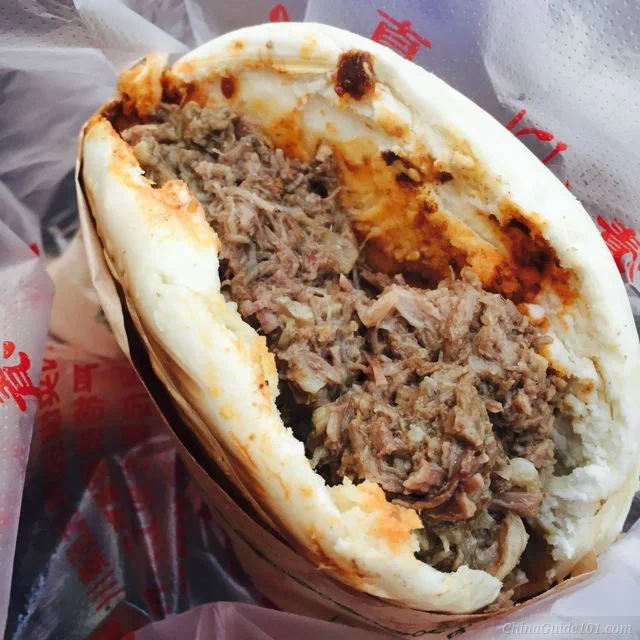
Beef Roujiamo
Often called "Chinese hamburger", roujiamo is braised slow-cooked beef stuffed inside a crisp, baked flatbread. The meat is spiced and tender, and the bread has a crunchy outer crust and soft centre. You can grab these from stalls as portable street food. It works well as a quick bite between other dishes.
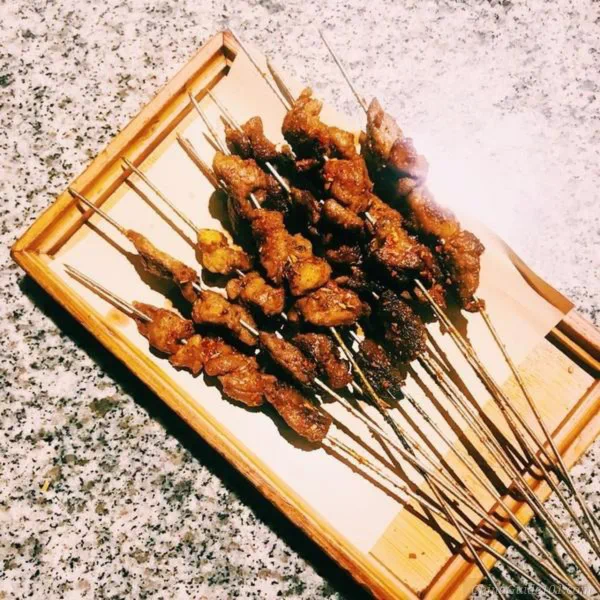
Lamb Skewers
Grilled lamb skewers are a staple street snack across the quarter. Chunks of lamb are cooked over charcoal and seasoned with cumin, chilli and salt. Vendors usually sell skewers by the piece. They are best eaten hot, and many stalls let you adjust the level of spice.
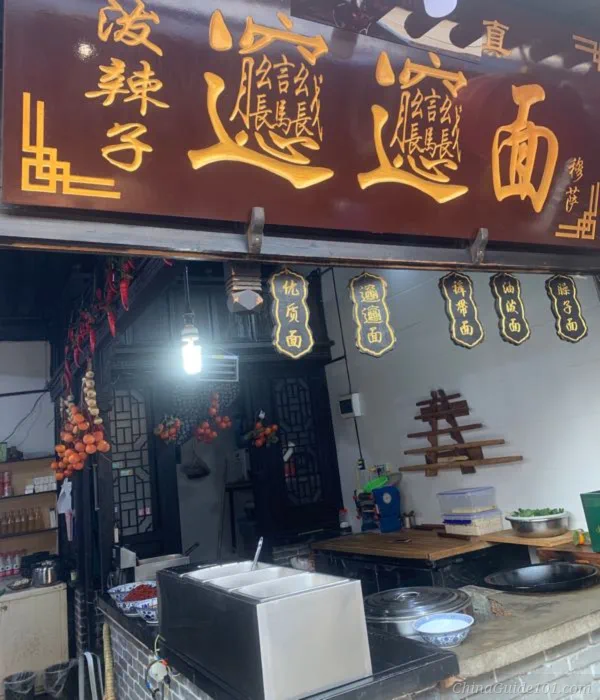
Biangbiang Noodles
Biangbiang noodles are wide, thick hand-pulled wheat noodles, tossed with chilli oil, vinegar and garlic. They originate in Shaanxi cuisine and are widely served in the quarter's sit-down restaurants. The noodles have a chewy, hearty texture and are served in large portions, suitable for sharing if you plan to try multiple foods.

Guantang Baozi and Other Local Snacks
PRO TIP: Careful with Hot Soup Dumplings
Guantang baozi are juicy soup dumplings filled with a hot, savoury broth and meat. Take care when biting into them, as the hot liquid inside can burn your mouth. Other quick bites include fried broad beans, spiced beef cuts and fried dough snacks, sold from small street stalls. If you have strict dietary requirements, confirm fillings with vendors before ordering.
Persimmon Cakes and Seasonal Treats
Xi'an's persimmon cakes (shizi bing) are a popular sweet snack, traditionally made by mixing ripe persimmon pulp with flour and cooking the dough in a pan. Fillings vary and may include sweet bean paste, walnut, or osmanthus-flavoured sugar. The cakes are especially associated with the autumn and winter persimmon season, although availability depends on individual vendors. They are best eaten warm, when the outside is lightly crisp and the centre remains soft. Other local treats, including steamed sticky-rice cakes and nut pastries, are also worth looking out for.

Visiting the Great Mosque of Xi'an
Where the Great Mosque Is Located
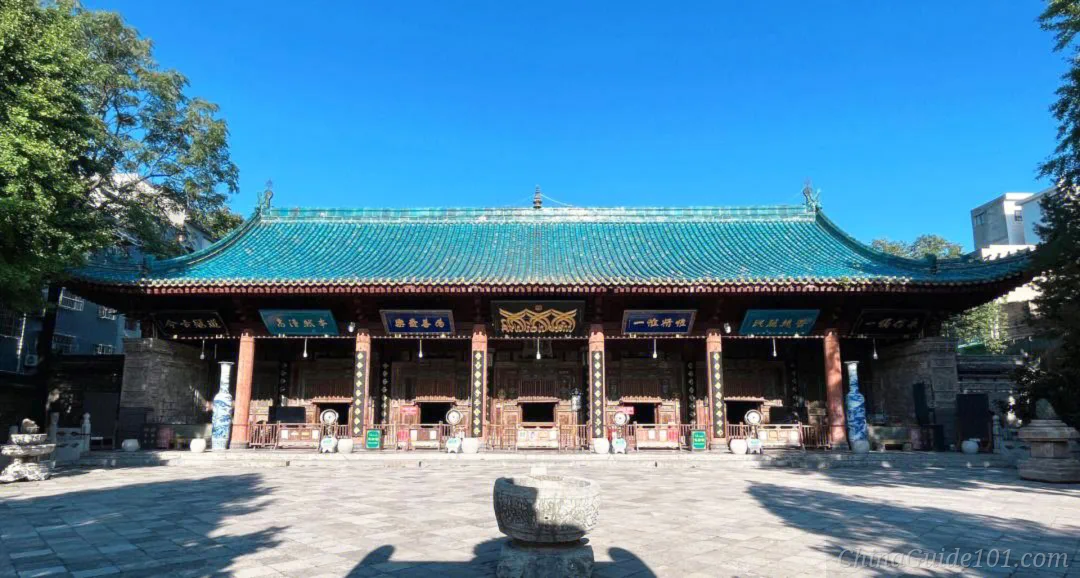
The Great Mosque of Xi'an sits inside Huajue Lane, tucked off the main Beiyuanmen area. It is within walking distance of the food streets, but it is a separate paid site. Walking the public alleyways of the Muslim Quarter for free does not grant entry to the mosque grounds.
Architecture and Historical Significance
Unlike many mosques in the Middle East, the Great Mosque blends traditional Chinese courtyard design with Islamic religious architecture. It was built over multiple dynasties, with layered wooden halls, carved archways, landscaped courtyards and stone steles recording its history. The Great Mosque is one of China's best-known historic mosques, notable for its traditional Chinese courtyard layout and Islamic religious features.
Visitor Access, Tickets and Prayer-Time Etiquette
PRO TIP: Mosque Visit Etiquette & Pricing
Recent visitor listings have quoted adult admission at around ¥25 during the main season and ¥15 in winter. These are indicative prices rather than guaranteed current rates, so check the latest ticket information and visitor access arrangements before your visit. The mosque remains an active place of worship, so visitor access may be restricted during prayer or other religious activities. Daily prayer times may temporarily pause visitor entry. Friday midday is the weekly main prayer gathering, and the prayer hall remains off-limits for non-Muslim visitors. Dress modestly to cover shoulders and knees for entry. Follow instructions from mosque staff and respect any areas marked as off-limits. Dress modestly and check the current visitor requirements before entering. Keep your voice low in the courtyards, avoid photographing worshippers without permission, and do not enter the prayer hall unless visitors are explicitly permitted to do so.
Best Time to Visit the Muslim Quarter
Late Afternoon and Evening
Late afternoon through evening is when the quarter comes alive. Stalls open fully, food aromas fill the lanes, and the atmosphere feels vibrant. This is the most popular time for tourists. The trade-off is heavy crowds, slower walking pace and longer queues at popular food stalls.
Visiting in the Morning
Mornings offer a quieter experience. Fewer tourists wander the lanes, and breakfast vendors serve local morning foods. The main Beiyuanmen street remains much less busy early in the day. The downside: Many popular grilled-food stalls open later in the day, so the selection is more limited in the morning.
Weekends, Public Holidays and Ramadan
Weekends and Chinese national holidays bring far larger crowds. Expect packed lanes and longer waiting times. During Ramadan, some Muslim-owned restaurants may adjust their daytime opening hours, with more activity after sunset. However, schedules vary by business, so do not assume that the entire quarter closes during the day. If you are visiting during Ramadan, check individual restaurants in advance and be considerate of local fasting practices.
How to Get to Xi'an Muslim Quarter
By Metro
Take Metro Line 2 to Bell Tower Station. Exit and walk toward the Drum Tower landmark. The main Beiyuanmen entrance of the Muslim Quarter is just beside the Drum Tower. Confirm the recommended exit on your navigation app before your trip, as station exits can occasionally change due to construction.

By Taxi or Ride-Hailing
Taxis and ride-hailing cars can drop you off on the main roads surrounding the Drum Tower area. Vehicles cannot enter the pedestrian-only lanes of the quarter itself, so you will need to walk the final short stretch from the drop-off point.
Walking from the Bell Tower and Drum Tower
The Bell Tower and Drum Tower stand only a few minutes apart on foot. The Drum Tower sits directly adjacent to the main Muslim Quarter entrance. This makes it simple to combine these landmarks into one continuous walking itinerary.
Suggested Muslim Quarter Walking Route
Start at the Drum Tower and enter the Muslim Quarter via Beiyuanmen. Walk along the main street to experience its busy food stalls, then explore Xiyangshi or Dapiyuan, depending on what you want to eat. These are separate side-street options rather than a single straight route, so allow time to retrace your steps or use connecting lanes. If the mosque is open to visitors, continue to Huajue Lane for a visit before returning toward the Drum Tower.
A classic half-day itinerary: visit Bell Tower first, then walk to the Drum Tower. Explore the Muslim Quarter in the late afternoon, then enjoy evening views of the illuminated Bell Tower and Drum Tower. This sequence works well because the food streets become livelier as the afternoon turns to evening.
Practical Tips for First-Time Visitors
Payments and Budget
Individual street vendors commonly rely on QR-code mobile payments, and direct card payments may not be available at small stalls. Set up a mobile payment option that works for international visitors before your trip, and carry some cash as a backup. Snack prices are generally low, but costs add up quickly when sampling many different dishes. See our China Payments 101 guide for a full breakdown of tourist payment options and setup steps.
Food Hygiene and Dietary Requirements
Stick to stalls with fresh food and busy turnover. The quarter is known for its Hui Muslim food traditions, but travellers with strict halal requirements should confirm individual vendors' ingredients and preparation practices. If you have severe food allergies or gluten restrictions, speak directly with vendors to confirm ingredients and food preparation practices before ordering. Cross-contamination practices vary by stall; do not rely only on the neighbourhood name to guarantee strict dietary standards.
Crowds, Personal Belongings and Toilets
When visiting busy crowded lanes, keep bags and valuables secured close to your body, as pickpocketing can occur in high foot-traffic areas. Toilets may not be immediately available on every street, so check your map or ask a nearby shop or restaurant if needed.
Respecting Local Residents and Religious Sites
Remember that people live in these alleyways, not just work here for tourism. Keep noise low in residential side lanes. When visiting the Great Mosque, follow dress rules and never photograph local residents or worshippers without explicit consent.
Frequently Asked Questions
Q: Is Xi'an Muslim Quarter free to visit?
Yes, the public pedestrian streets and alleyways of the Muslim Quarter are free to enter. The Great Mosque of Xi'an is a separate attraction requiring a paid ticket.
Q: How long should you spend in the Muslim Quarter?
Most visitors plan for 1.5–3 hours. If you add the Great Mosque visit, budget extra time.
Q: What is the best time to visit?
Late afternoon and evening bring the liveliest food stall atmosphere, but also the largest crowds. Mornings are quieter with fewer food options.
Q: What food should you try?
Top picks include lamb paomo, beef roujiamo, grilled lamb skewers, biangbiang noodles and persimmon cakes. Choose 2–3 dishes to avoid over-ordering.
Q: Is all food in the Muslim Quarter halal?
The quarter is known for its Hui Muslim food traditions, but standards differ between stalls. If you require strict halal compliance, confirm directly with each shop.
Q: Can non-Muslims visit the Great Mosque?
Visitors of all backgrounds may enter the Great Mosque subject to current access rules, ticket requirements and on-site restrictions.
Q: How do you get to the Muslim Quarter by metro?
Take Line 2 to Bell Tower Station, then walk to the Drum Tower for the Beiyuanmen main entrance.
Q: Is the Muslim Quarter worth visiting at night?
Evening is when the street stalls are fully open, creating a vibrant atmosphere, though crowds are much denser.
Q: Can you visit the Muslim Quarter and the City Wall on the same day?
Yes. Many travellers combine the Xi'an City Wall , Bell and Drum Towers and Muslim Quarter in a single day trip. The wall is best visited before sunset, then head to the quarter for dinner.
Q: Is the Muslim Quarter open during Chinese public holidays?
The public lanes stay open, but crowds will be far larger. Some individual stalls may adjust their opening hours during holidays.